WhatsApp Introduces QR Code Payments to Enhance Business Transactions
WhatsApp Introduces QR Code Payments to Enhance Business Transactions
In an exciting development for small and medium-sized enterprises (SMEs), Meta has introduced a new QR code-based payment feature within the WhatsApp Business App. This innovative addition promises to streamline transactions for businesses and their customers, offering a convenient payment method directly within the app.
Revolutionizing Payments for Small Businesses
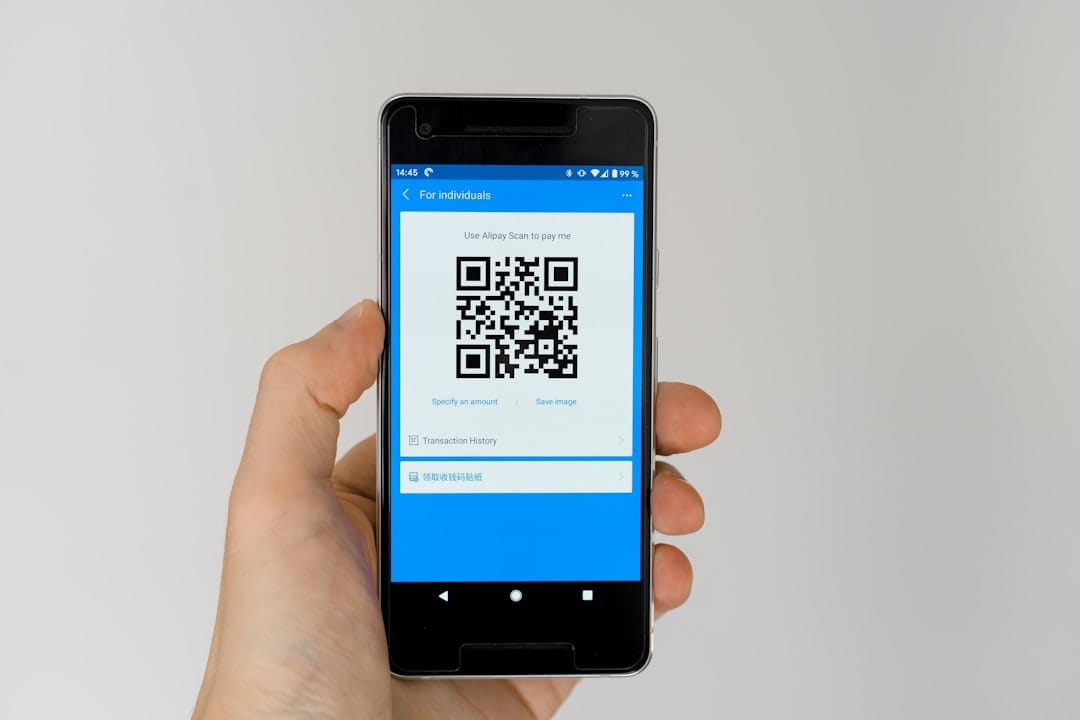
Announced at a recent business summit in Mumbai, India, the QR code payment feature is poised to transform how small businesses conduct transactions. With just a tap, businesses can share a QR code, allowing customers to pay using their preferred payment method through WhatsApp. This seamless integration is designed to enhance the customer experience and improve sales efficiency.
WhatsApp's popularity as a payment platform in India is already well-established. Earlier this year, the app received approval to extend its payment services to its vast user base in the country, highlighting its commitment to expanding financial accessibility and convenience.
Empowering SMEs with Enhanced Features
Beyond its new payment capabilities, the WhatsApp Business App is packed with features tailored to meet the needs of SMEs. These include tools for improved communication with customers, as well as new customer support and advertising functionalities. These enhancements aim to help businesses build stronger relationships with their clients and drive sales growth.
Convenience at Your Fingertips
The introduction of the QR code payments is a significant step forward in simplifying the transaction process for both businesses and consumers. By integrating this feature within WhatsApp, Meta is offering a seamless payment solution that eliminates the need for third-party apps or additional payment gateways. This not only makes the process easier but also ensures a secure payment environment.
For businesses, generating a QR code is straightforward and can be done through a reliable QR code generator. This tool allows them to quickly create and share codes with their customers, facilitating immediate and hassle-free payments.
WhatsApp's Growing Influence in Digital Payments
The addition of the QR code payment feature underscores WhatsApp's expanding role in the digital payments landscape. By providing a user-friendly, integrated payment option, WhatsApp is helping to bridge the gap between traditional payment methods and the digital era.
This move is particularly significant given the rise of mobile payments and the increasing demand for contactless transactions. As more consumers and businesses transition to digital payment solutions, WhatsApp's new feature is well-positioned to meet this demand and support the shift towards a cashless society.
Future Prospects and Impact
The potential impact of WhatsApp's QR code payments on small businesses is substantial. By offering an easy-to-use payment solution, SMEs can streamline their operations, reduce transaction times, and enhance customer satisfaction. This innovation also provides an opportunity for businesses to reach a broader audience, as it simplifies the payment process for customers who already use WhatsApp for communication.
As WhatsApp continues to expand its payment capabilities, it is likely to introduce additional features and enhancements that further support businesses in their digital transformation journeys. These developments are expected to contribute to the broader adoption of digital payments and support economic growth, particularly in regions where traditional banking services may be less accessible.
Conclusion: A New Era for Business Transactions
Meta's introduction of QR code payments within the WhatsApp Business App marks a significant milestone in the evolution of digital transactions. By offering a seamless, integrated payment solution, WhatsApp is empowering small businesses to thrive in an increasingly digital world. As this feature gains traction, it has the potential to redefine how businesses and consumers engage with each other, paving the way for a more connected and efficient future.