WeChat Pay and Alipay Embrace China's Unified QR System for Foreign Wallets
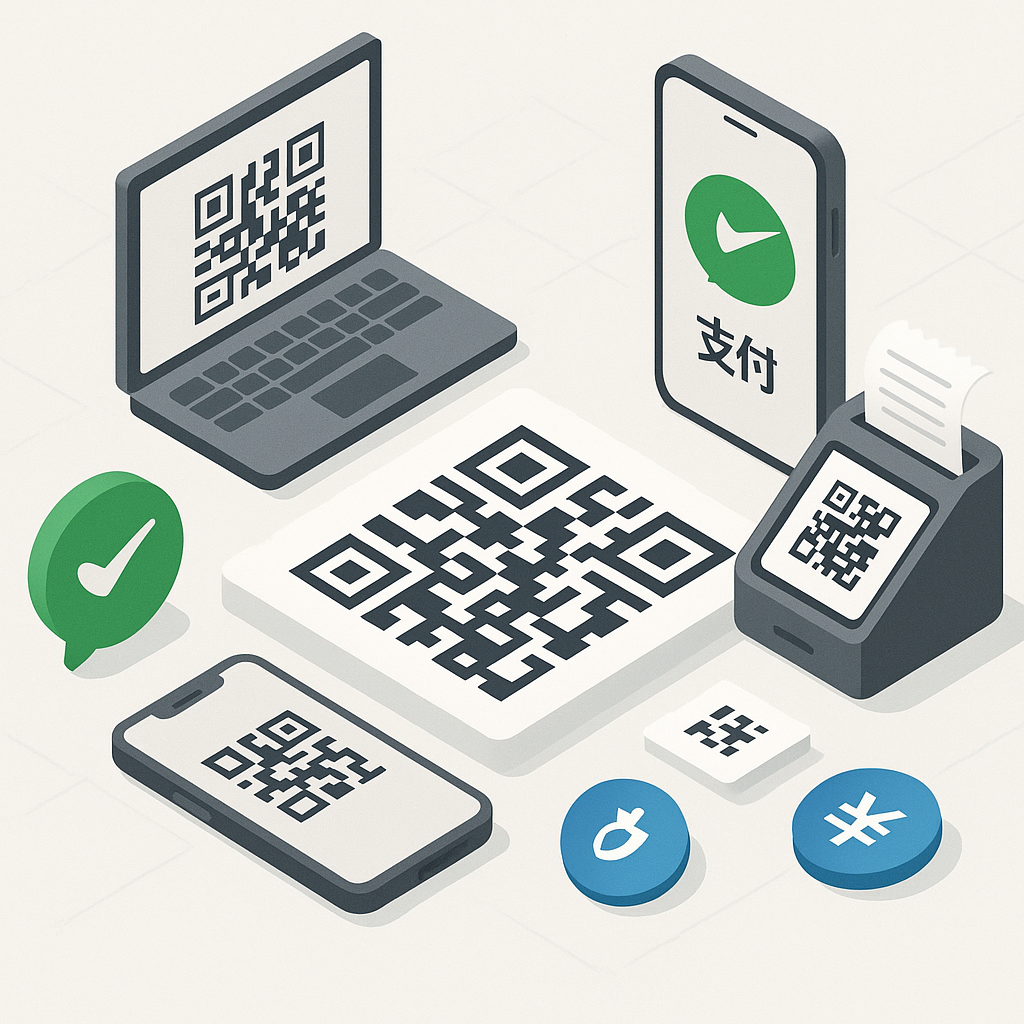
WeChat Pay and Alipay Embrace China's Unified QR System for Foreign Wallets
In a significant move towards streamlining cross-border transactions, WeChat Pay and Alipay have begun integrating China's unified QR payment system. This development promises to ease the payment process for foreign visitors in China, offering seamless transactions through overseas wallets. As this initiative rolls out, regulators anticipate greater visibility into the flow of international wallet traffic within China’s payment systems, marking the start of a more comprehensive deployment.
The Significance of China's Unified QR Code System
The unified QR system is a strategic effort by China to consolidate its payment gateways, thereby simplifying transactions for both domestic and international users. The adoption of this system by major platforms like WeChat Pay and Alipay signifies a pivotal shift in how digital payments are conducted, particularly for international tourists and foreign residents.
By implementing this system, China aims to enhance transparency and regulatory oversight over cross-border financial activities. This is particularly important as China continues to expand its economic ties and influence across the Global South, where digital payments are becoming increasingly vital.
Impact on International Visitors
The integration of the unified QR system is expected to significantly benefit international visitors in China. Previously, foreign visitors faced challenges when trying to use their native wallets in a Chinese ecosystem dominated by WeChat Pay and Alipay. Now, with the unified QR code system, these hurdles are being removed, allowing for easier access and smoother transactions.
For tourists, this means less hassle and more convenience when paying for goods and services, whether it’s dining, shopping, or travel expenses. The system is designed to be user-friendly, requiring only a simple scan to pay, regardless of the original wallet's country of origin.
Regulatory Insights
From a regulatory perspective, the introduction of the unified QR system offers enhanced oversight capabilities. Regulators can better monitor the flow of foreign capital, ensuring compliance with financial regulations and security standards. This move is viewed as a step towards greater financial integration and transparency in China’s rapidly evolving digital economy.
The ability to track and analyze international wallet traffic also provides valuable data insights, which can inform future policy decisions and economic strategies. It reflects China's intent to bolster its financial infrastructure, aligning with global standards while maintaining its competitive edge in digital payments.
Broader Implications for Global Trade
The adoption of China's unified QR system is not just a milestone for domestic transactions but also has implications for global trade, particularly in the Asia-Pacific region. China's commitment to open trade and stable supply chains, as exemplified by its backing of the Regional Comprehensive Economic Partnership (RCEP), further cements its role as a leader in regional and global economic dynamics.
In tandem, China’s central bank is exploring opportunities to connect Indonesia’s QR code standard, QRIS, with Alipay and WeChat Pay, marking a significant step in a pilot program with Bank Indonesia. This linkage aims to facilitate smoother transactions for Indonesians, reducing dependency on the U.S. dollar and promoting the use of local currencies like the yuan.
The Role of the QR Code Generator in This Ecosystem
As QR codes become more ubiquitous in payment systems, tools like the QR code generator play an essential role in customizing and deploying QR codes for various applications. These generators allow businesses to create bespoke QR codes that align with their branding and functional needs, enhancing user experience and effectiveness in digital transactions.
Looking Ahead
As China continues to refine and expand its digital payment infrastructure, the unified QR system represents a significant leap towards a more integrated and convenient financial ecosystem. This initiative not only benefits foreign visitors but also strengthens China’s position in the global digital economy.
In conclusion, the seamless adoption of China’s unified QR system by major players like WeChat Pay and Alipay is set to transform cross-border transactions. With improved accessibility for foreign wallets and enhanced regulatory oversight, this move is poised to provide lasting benefits for consumers and regulators alike. The future of digital payments is here, and it’s more interconnected than ever.