Unveiling the AIPAC QR Code Strategy for Donors
Unveiling the AIPAC QR Code Strategy for Donors
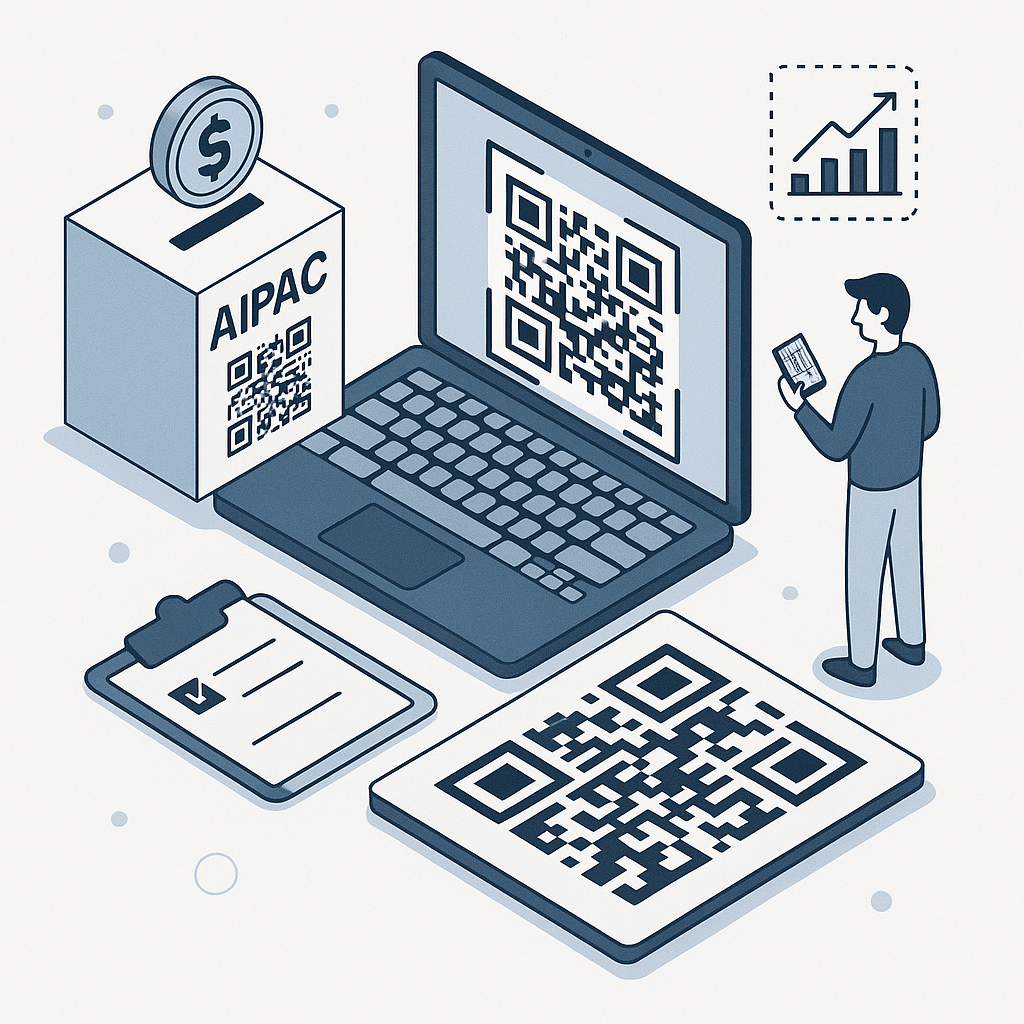
The landscape of political donations has always been intriguing, often shrouded in secrecy and intricate processes. Recently, an interesting revelation came to light involving AIPAC, the American Israel Public Affairs Committee, and its use of QR codes to streamline donations from its supporters.
The Role of QR Codes in Political Donations
In today's digital age, efficiency is paramount, especially when it comes to fundraising efforts. The use of QR codes by AIPAC signifies a shift towards leveraging technology for more effective fundraising. By scanning a QR code generator, potential donors can quickly access donation platforms, making the process seamless and straightforward.
Understanding the AIPAC Strategy
QR codes are not just a tool for convenience; they are a strategic move designed to engage more supporters. By simplifying the donation process, AIPAC can potentially increase its donor base and enhance the speed at which contributions can be collected. This method also provides a layer of privacy and discretion for donors, which is often a significant concern in political circles.
Implications for Political Fundraising
The adoption of QR codes by influential organizations like AIPAC could set a precedent for other political groups. It highlights the importance of adopting new technologies to stay relevant and efficient in garnering support. Moreover, it emphasizes the need for transparency and ease in the fundraising process, which can be critical in gaining trust from potential donors.
The Broader Impact of QR Technology
Beyond political fundraising, QR codes have found applications in various sectors. They are widely used in marketing, retail, and even in the health sector for contactless payments and information dissemination. This widespread adoption underscores the versatility and utility of QR codes as a tool for communication and transaction.
Advantages of Using QR Codes
- Efficiency: QR codes allow for quick transactions and information sharing, reducing the time and effort required for manual processes.
- Accessibility: With a simple smartphone scan, users can access complex platforms and services without needing extensive technical know-how.
- Security: QR codes can be encrypted, providing a secure way for users to engage with content and make transactions.
Looking Ahead
The integration of QR codes in political fundraising is likely to evolve further. As technology continues to advance, we can expect more sophisticated methods of donor engagement and data collection. Organizations that are quick to adapt will likely enjoy a competitive edge in their respective fields.
For political entities, embracing such technological advancements is not just about keeping up with trends but about fundamentally reshaping how they interact with their supporters. In doing so, they can foster a more connected and engaged community, ensuring that their message reaches a broader audience with ease.
Conclusion
The revelation of AIPAC's use of QR codes in donor engagement marks a significant step in the evolution of political fundraising. As organizations continue to navigate the complexities of modern donor interactions, embracing technology like QR codes will become increasingly essential. This approach not only enhances operational efficiency but also builds a framework for secure and scalable engagement with supporters.
As we move forward, it will be interesting to observe how other political organizations adapt to these changes and what new innovations will emerge to further streamline the fundraising process.