Unlocking the Power of QR Codes on Packaging
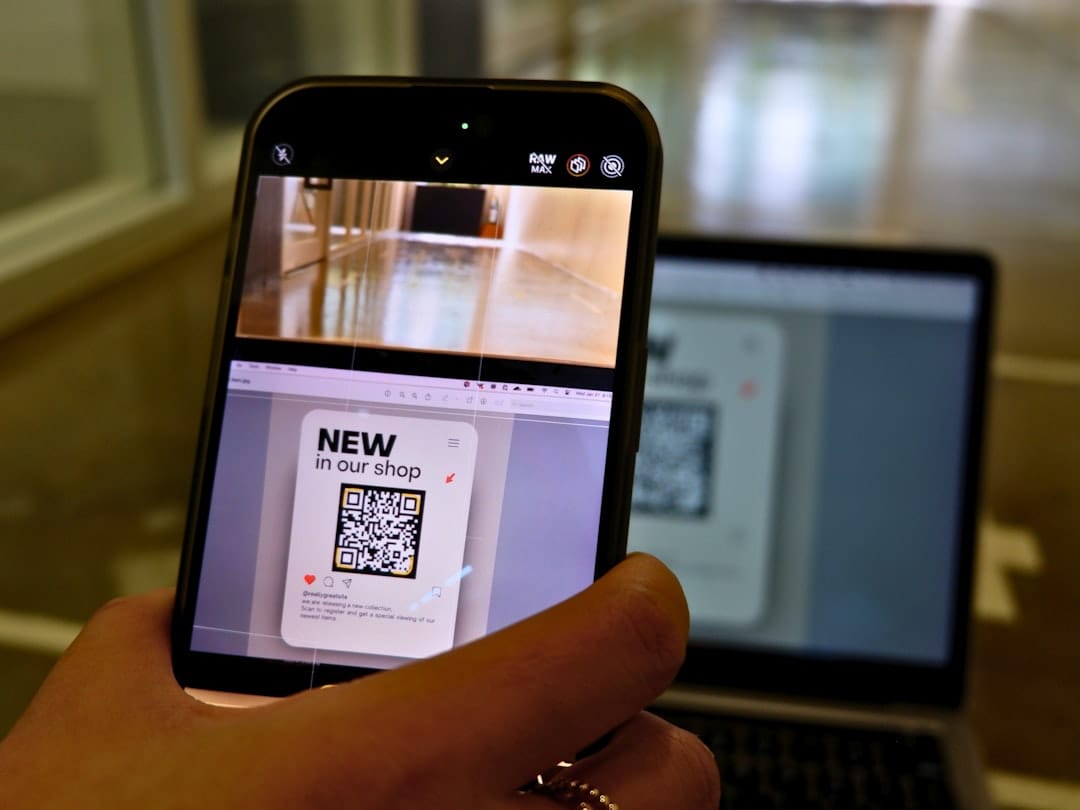
Unlocking the Power of QR Codes on Packaging
In today's digital age, packaging has evolved beyond its traditional roles of protecting and promoting products. It is now a vital communication tool, bridging the gap between brands and consumers through innovative technologies like QR codes. These compact data carriers are swiftly transforming how shoppers interact with products, establishing trust and encouraging repeat purchases.
The Rise of QR Codes in Retail
The retail industry is on the cusp of a significant shift. By 2027, it is anticipated that retailers will routinely scan 2D codes, such as QR codes, alongside existing barcodes. This transition is part of a global movement known as Sunrise 2027, which aims to integrate these codes into retail operations seamlessly. In parallel, the European Union's regulations are introducing Digital Product Passports (DPP), offering verified information about a product's origin, composition, and environmental impact. As these changes unfold, packaging will effectively become an interactive product page, providing consumers with essential information at their fingertips.
Why QR Codes Matter for Consumer Trust
The implementation of QR codes on packaging addresses crucial consumer questions in a matter of seconds. When shoppers scan a code, they can quickly access information about the product's manufacturing date, ingredients, health claims, allergens, and origin. This swift access to information lowers consumer doubts, making purchasing decisions easier and fostering loyalty. By eliminating confusion, especially around date labels, companies can reduce waste and boost customer satisfaction.
Building Trust with Verifiable Information
QR codes provide a platform for brands to showcase batch-level proof directly to consumers. By offering information in a consumer-friendly language, brands can communicate product safety and suitability effectively. For example, including details about allergens, handling instructions, certifications, and even a small map indicating key production steps can enhance transparency. Video content, kept short and insightful, can further enrich this experience by visually demonstrating product origins or manufacturing processes.
Strategic Placement for Maximum Engagement
As companies transition to using both linear barcodes and 2D codes, careful consideration of QR code placement is crucial. Codes should be easily accessible to ensure a seamless scanning experience. Aligning the 2D symbol with existing barcodes and ensuring it is visible without requiring consumer effort will enhance engagement. Additionally, mirroring the scan experience in e-commerce settings can ensure consistency across platforms.
Creating Efficient QR Code Landing Pages
The effectiveness of a QR code does not end at the scan; the subsequent landing page plays a critical role. To build trust, the page must load quickly and present information concisely. It should replace vague language with tangible facts like audit references, certificate numbers, and clear origins. A respectful prompt, such as setting a reminder or learning more about product storage, can gently encourage consumer action.
Selecting the Right Products for QR Code Integration
Introducing QR codes should not be a blanket approach; strategic selection of products is essential. Focus on items where consumer anxiety is high or where detailed information is valuable, such as allergen-free snacks, infant products, or dairy goods. This targeted approach ensures that QR codes provide meaningful insights, thereby enhancing consumer trust and perceived fairness.
Coordinated Team Efforts for Successful Implementation
For QR codes to be effective, a collaborative effort across departments is necessary. Legal teams must ensure all claims are substantiated, while quality assurance focuses on accurate content. Marketing teams should ensure that the language remains consumer-friendly, and IT needs to maintain page functionality across varied network conditions. Coordination with point-of-sale systems, e-commerce platforms, and customer service teams is vital for seamless integration and consumer satisfaction.
Measuring Success and Driving Repeat Purchases
To gauge the impact of QR codes, companies should monitor key metrics regularly. These include the scan rate per thousand packages, the time taken to deliver critical information, and repeat purchases compared to control groups. Analyzing consumer feedback and reviews will also offer insights into the effectiveness of the information provided and highlight areas for improvement.
Moving Forward with Confidence
As packaging evolves into an interactive product page, brands must design the QR code experience with the same care as their best landing pages. Quick answers, concrete proof, and gentle nudges to act are the hallmarks of a successful QR code strategy. Starting with a focused approach—one SKU and one retail chain—allows for clarity and refinement in execution. Ultimately, a well-executed QR code strategy can become a powerful tool for predicting and encouraging future purchases.