Unlocking the Power of QR Codes: A Modern Tool for Connectivity
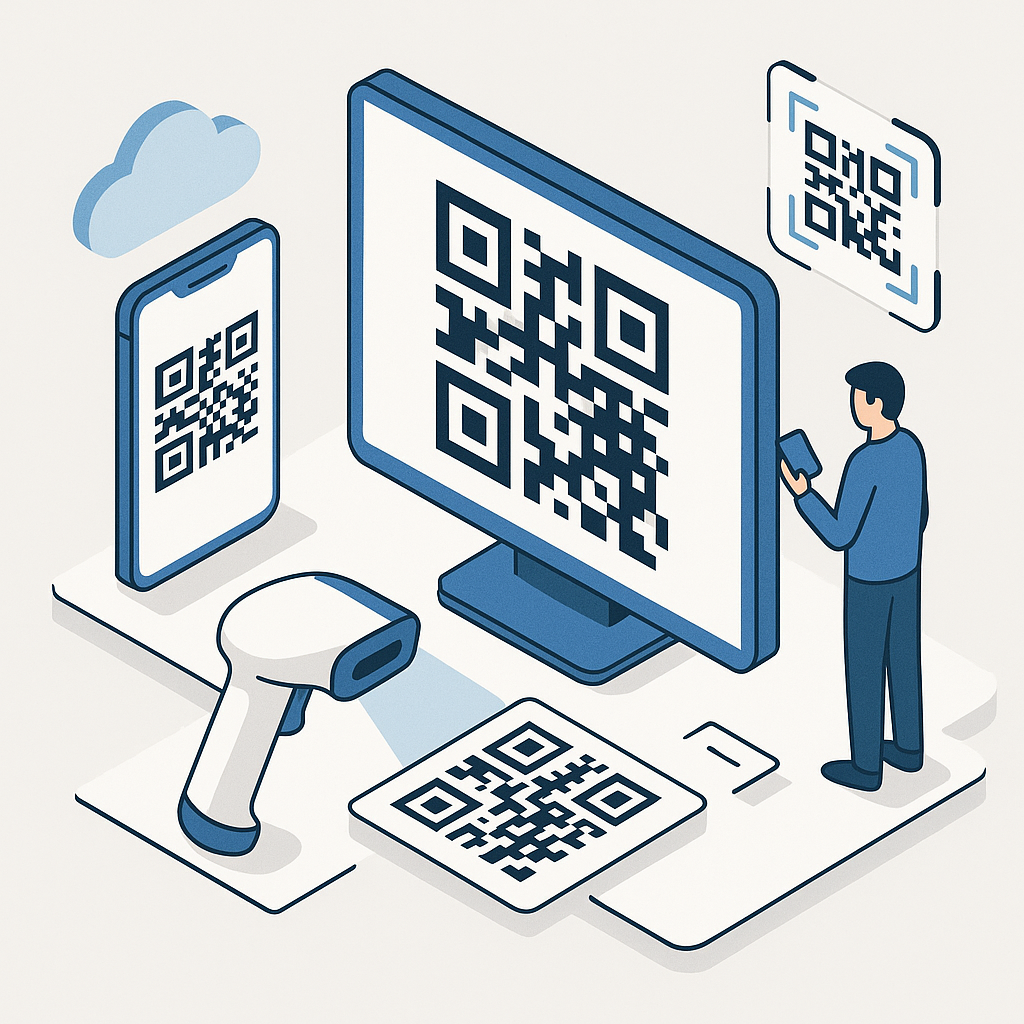
Unlocking the Power of QR Codes: A Modern Tool for Connectivity
As digital interactions become increasingly pivotal, QR codes have emerged as a versatile solution bridging the gap between the physical and digital realms. These small, square codes are not merely tools of convenience; they are transforming how information is accessed and shared across various sectors.
Understanding QR Codes
Quick Response (QR) codes are two-dimensional barcodes that can store a significant amount of data, including URLs, text, and other digital content. Unlike traditional barcodes, which require a scanner, QR codes can be scanned using a smartphone camera, making them accessible to a broader audience.
The Rise of QR Codes
Initially developed in Japan for the automotive industry, QR codes have significantly evolved over the past few decades. With the advent of smartphones, their use has expanded across different industries, from retail and marketing to education and health care. The pandemic further accelerated their adoption as businesses sought contactless engagement methods.
Applications of QR Codes
QR codes have found applications in numerous fields, providing innovative solutions for both businesses and consumers:
- Marketing and Advertising: Companies use QR codes to direct consumers to websites, promotions, and product information, enhancing their marketing campaigns.
- Retail and E-commerce: QR codes on product packaging can offer detailed information about the product, customer reviews, and even facilitate easy online purchases.
- Education: In educational settings, QR codes can be used to share resources, quizzes, and additional learning materials, making it easier for students to access information quickly.
- Healthcare: Hospitals and clinics use QR codes for patient management, providing access to medical records, appointment schedules, and health tips.
The Benefits of QR Codes
The widespread use of QR codes is attributed to several key benefits:
- Accessibility: With nearly everyone owning a smartphone, QR codes are easily accessible to most people.
- Cost-Effective: Creating and implementing QR codes is relatively inexpensive, making it suitable for businesses of all sizes.
- Versatility: QR codes can store various types of data, from simple text to complex URLs, making them adaptable to different needs.
- Contactless: In a world still adapting to the challenges of a pandemic, QR codes provide a contactless method of interaction, promoting safety.
Creating Your Own QR Codes
For businesses and individuals looking to leverage QR codes, creating them is a straightforward process. By using a QR code generator, you can customize codes to include your desired data. These generators allow you to choose the format and style of your QR code, ensuring it aligns with your branding and aesthetic preferences.
Best Practices for Using QR Codes
While QR codes are powerful tools, their effectiveness depends on how they are utilized. Here are some best practices to consider:
- Ensure Visibility: Place QR codes in locations where they are easily accessible and visible to users.
- Provide Context: Give users a reason to scan your QR code. Briefly explain what they can expect once scanned.
- Test Before Deployment: Always test your QR codes to ensure they work as expected before reaching your audience.
- Track Engagement: Use analytics to track how often your QR codes are scanned, helping you understand user engagement and optimize future strategies.
The Future of QR Codes
As technology continues to advance, the functionality and integration of QR codes are expected to evolve as well. With developments in augmented reality and the Internet of Things, QR codes might become even more ingrained in daily interactions, offering richer, more immersive experiences. Businesses and individuals who adapt to these changes will likely continue to find QR codes a valuable asset in their digital toolkit.
In conclusion, QR codes represent a powerful means of connecting digital content with the physical world. Their versatility and ease of use make them an indispensable tool in modern communication and interaction strategies. Whether you're a business aiming to engage customers or an individual looking to share information swiftly, QR codes are here to streamline your digital engagements.