Understanding the World of QR Codes: A Modern Necessity (Update)
Understanding the World of QR Codes: A Modern Necessity
In today's fast-paced digital landscape, QR codes have become an integral part of how businesses and individuals interact with the world. From marketing strategies to everyday convenience, QR codes offer a seamless way to connect the physical and digital worlds. But what exactly are QR codes, and how can they be utilized effectively?
What Are QR Codes?
QR codes, short for Quick Response codes, are a type of matrix barcode that can be scanned using a smartphone or a dedicated QR code reader. Unlike traditional barcodes that represent data in a linear format, QR codes store data both horizontally and vertically. This matrix setup allows them to hold significantly more information, which can be deciphered quickly by digital devices.
Invented in the mid-1990s, QR codes gained popularity in the last decade, largely due to the widespread adoption of smartphones. They're now used globally across numerous sectors, from retail and advertising to education and healthcare.
How QR Codes Work
A QR code consists of black squares arranged on a white grid. It can encode various types of data including text, URL links, phone numbers, and even payment information. When a QR code is scanned, the encoded information is quickly decoded and can trigger various actions such as opening a webpage, downloading an app, or adding a contact to your phone.
Creating Your Own QR Code
Generating a QR code is a straightforward process. By using a QR code generator, individuals and businesses can create custom QR codes for a variety of purposes. This tool allows you to input the desired data, select the type of QR code you need, and download the QR code image for printing or digital use.
Applications of QR Codes
The versatility of QR codes lends itself to numerous applications. Here are some of the most common uses:
- Marketing and Advertising: QR codes in advertisements can link users directly to promotional pages or exclusive content, enhancing consumer engagement.
- Business Cards: Adding a QR code to business cards can lead to digital vCards, making it easy for contacts to save information quickly.
- Retail: QR codes on products can provide detailed information, such as nutritional facts or usage instructions, when scanned.
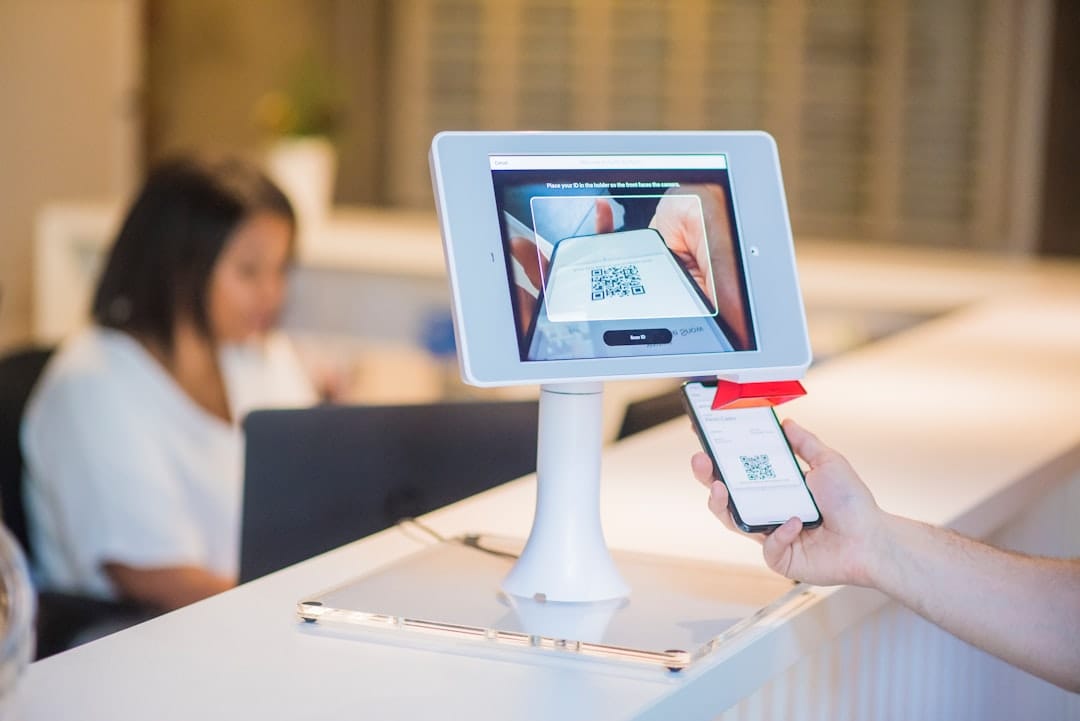
- Events: Event organizers use QR codes for tickets and registration, streamlining the check-in process.
- Healthcare: QR codes on medical equipment can provide quick access to user manuals and safety protocols.
Benefits of Using QR Codes
QR codes offer several advantages that make them an appealing choice for modern communication:
- Ease of Use: Users only need a smartphone to access information instantly.
- Cost-Effective: Creating and implementing QR codes requires minimal investment.
- Versatility: QR codes can store a wide range of data formats, from URLs to contact information.
- Contactless Interaction: Especially relevant in a post-pandemic world, QR codes facilitate touch-free transactions and information sharing.
Challenges and Considerations
While QR codes offer many benefits, there are challenges to consider. For instance, relying heavily on QR codes assumes that users have smartphones capable of scanning them. Moreover, while QR codes are generally secure, they can be used maliciously to redirect users to harmful websites if not managed properly. It's essential to ensure that any QR code you use or scan is from a trusted source.
Another consideration is the aesthetic integration of QR codes into designs. While they are functional, they are not always visually appealing. However, custom QR code designs that incorporate branding elements can help mitigate this issue.
The Future of QR Codes
As technology continues to evolve, the role of QR codes is likely to expand. Innovations like dynamic QR codes, which can be edited after creation, and QR codes that integrate augmented reality features are already on the horizon. These advancements promise new and exciting ways to enhance user interaction and engagement.
In conclusion, QR codes are more than just a passing trend. They represent a bridge between the physical and digital realms, offering endless possibilities for businesses and individuals alike. By understanding their functionality and leveraging their potential, you can enhance your digital communication strategies effectively.