Understanding the Surge in QR Code Usage
Understanding the Surge in QR Code Usage
In the digital age, QR codes have become an integral part of how we interact with the world around us. These patterned squares are more than just a novelty; they are powerful tools that streamline operations and enhance user engagement. From marketing campaigns to digital payments, QR codes are everywhere. Let's explore why their usage is skyrocketing and how they can be beneficial for businesses and consumers alike.
The Rise of QR Codes
QR codes, short for Quick Response codes, have been around since the mid-1990s. However, their popularity has surged in recent years, transforming how we access information. One reason for this is the widespread adoption of smartphones equipped with cameras capable of scanning QR codes without the need for a dedicated app. This ease of access has made QR codes a practical solution in various scenarios.
Key Benefits of QR Codes
QR codes offer several advantages that contribute to their growing popularity:
- Convenience: Scanning a QR code is quick and effortless. It eliminates the need for typing URLs or searching for information manually.
- Versatility: QR codes can be used to store various types of data, such as URLs, contact information, product details, and more.
- Cost-Effective: Creating and implementing QR codes is relatively inexpensive, especially compared to other digital marketing methods.
- Trackability: Businesses can track how many times a QR code is scanned, providing valuable insights into consumer behavior.
Applications in Business and Beyond
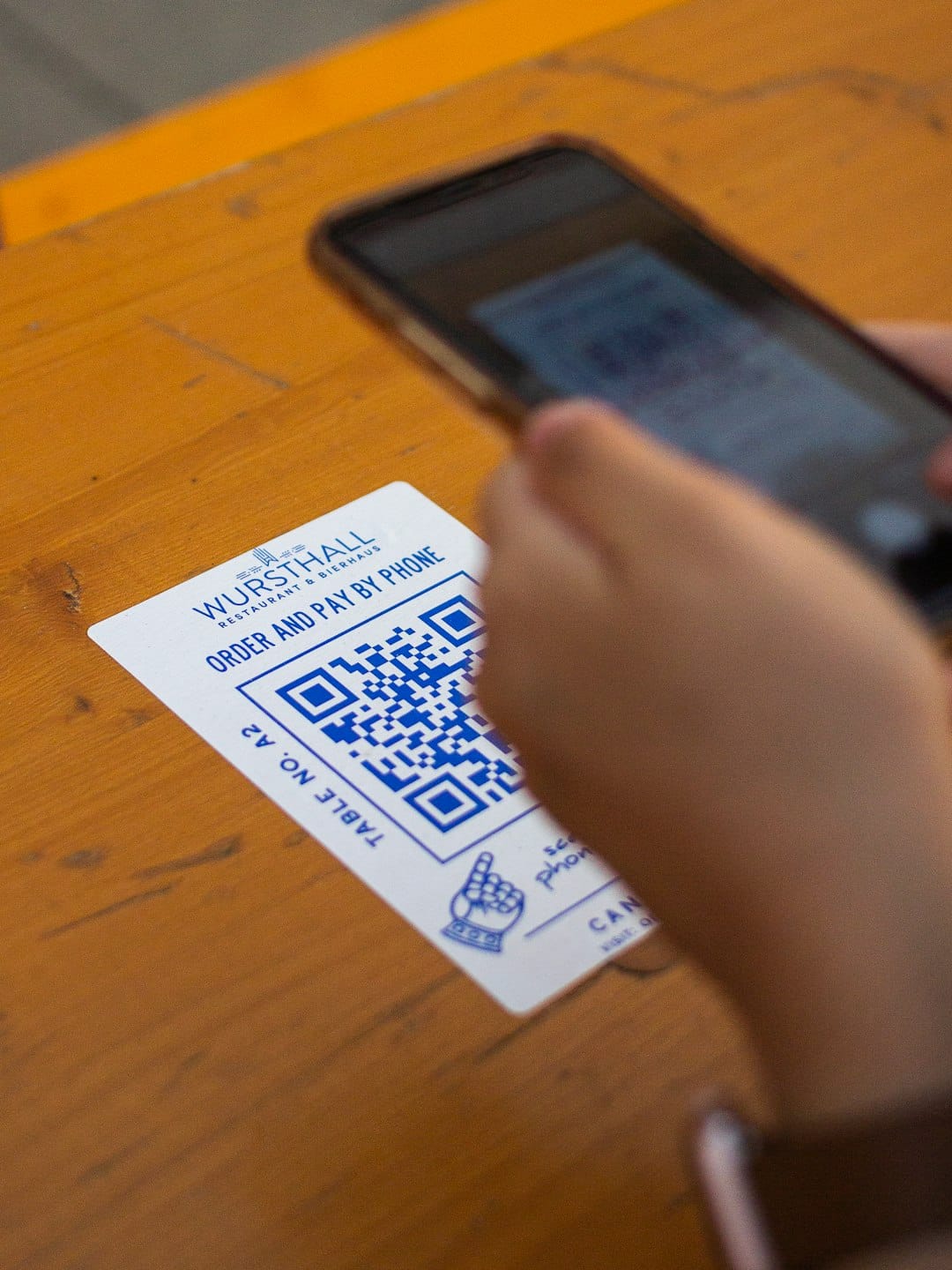
The applications of QR codes are vast and varied. In the business world, they are commonly used in marketing to provide easy access to websites or promotional content. For instance, a restaurant might place a QR code on tables so customers can view the menu digitally. Retailers leverage them for product information, loyalty programs, and even interactive advertisements.
Beyond marketing, QR codes play a crucial role in simplifying operations and enhancing customer experience. In the financial sector, they facilitate secure and swift digital payments. Meanwhile, in logistics, QR codes streamline inventory management and package tracking.
Engaging Customers with QR Codes
For businesses looking to boost customer engagement, QR codes are a game-changer. By linking to multimedia content, businesses can offer a richer, more interactive experience. Imagine scanning a QR code that takes you to a behind-the-scenes video or a personalized message from a brand founder. These immersive touches can significantly enhance brand loyalty.
Adopting QR Code Technology
With the increasing use of QR codes, it is essential for businesses to understand how to implement them effectively. Starting with a reliable QR code generator is crucial. This tool allows you to create customized QR codes that align with your brand's aesthetic and functional needs. Consider aspects like color, size, and the type of data you wish to incorporate.
Once created, the placement of QR codes is equally important. Ensure they are accessible and visible in areas where target audiences are most likely to engage. Regularly updating and testing QR codes is also vital to ensure they work correctly and efficiently.
Overcoming Challenges
While QR codes offer numerous benefits, there are challenges to be mindful of. Consumer security concerns, such as phishing attacks using malicious QR codes, require attention. Educating users about scanning codes only from trusted sources is essential. Moreover, businesses need to ensure that the landing pages or data linked to QR codes are mobile-friendly and provide a seamless user experience.
The Future of QR Codes
Looking ahead, QR codes are poised to become even more prevalent. As technology advances, we can expect more innovative uses and integrations. From augmented reality experiences to personalized shopping journeys, QR codes may eventually redefine how we interact with both the digital and physical worlds.
In conclusion, QR codes are more than just a passing trend; they are a powerful tool that, when used correctly, can significantly enhance both business operations and consumer interactions. Embracing this technology can lead to greater efficiency, engagement, and ultimately, success.