Understanding the Risks of Malicious QR Codes
Understanding the Risks of Malicious QR Codes
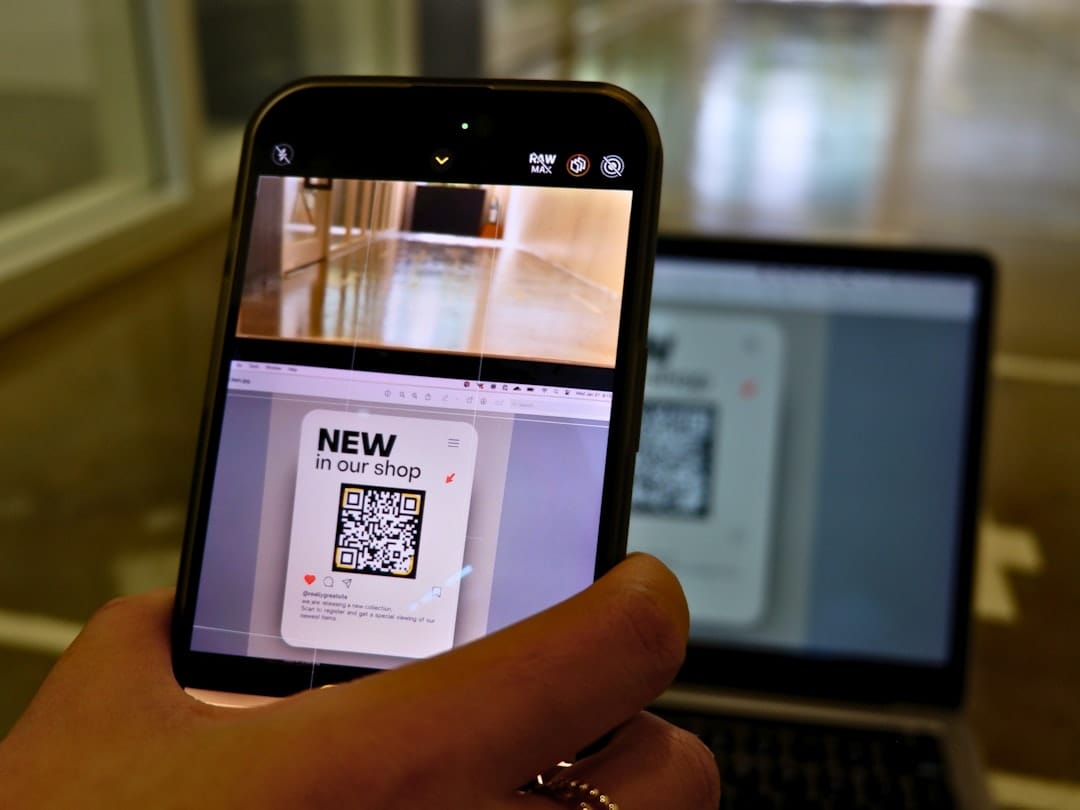
QR codes have emerged as a convenient tool for accessing information quickly, becoming increasingly prevalent during the pandemic. They can be found everywhere, from restaurant menus to advertisements. However, with their widespread usage comes significant security risks that users need to be aware of.
The Hidden Dangers of QR Codes
While QR codes offer ease of access, they can also become vehicles for malicious activities. Threat actors exploit these codes to harvest sensitive data stored with cookies, potentially compromising personal and professional information. The unsuspecting user might scan a QR code without realizing it could be embedded with harmful software.
Consider a scenario where a threat actor deploys a QR code designed to lead users to a phishing website. Once there, unsuspecting individuals may unknowingly input sensitive information, such as usernames and passwords, providing the attacker with direct access to proprietary data.
How Malicious QR Codes Operate
Recent discoveries have shown that compromised machines can use QR codes to communicate with command-and-control servers. To network security tools, this traffic may appear as ordinary image data, making it difficult to detect malicious activity. This adds a new layer of complexity to existing security challenges, requiring vigilance and awareness on the user's part.
Preventive Measures
Given the stealth with which malicious QR codes can operate, it is crucial to adopt protective measures. Here are some practical steps to mitigate risks:
- Think before you scan: Avoid scanning QR codes from unknown sources or public places.
- Be cautious with emails: Never click on QR codes received via email unless you trust the sender.
- Stay informed: Keep updated on the latest threats and educate yourself about safe QR code practices.
Maintaining a heightened sense of awareness or, as some might say, being "wicked paranoid," can go a long way in safeguarding against these threats.
Future Implications and Security
As QR codes continue to be a part of our daily lives, threat actors are likely to devise more sophisticated methods to exploit them. This necessitates an ongoing effort to stay ahead of potential risks. Security experts suggest that public awareness and technological advancements can help mitigate these risks. Employing tools like a QR code generator can also provide an added layer of security by ensuring that the codes you use are generated safely and securely.
In conclusion, while QR codes offer convenience and efficiency, they also come with potential security risks. By understanding these risks and taking proactive measures, users can enjoy the benefits of QR codes without falling victim to malicious activities. Stay vigilant and informed to navigate the digital landscape safely.