Understanding the Rise of QR Code Fraud (Update)
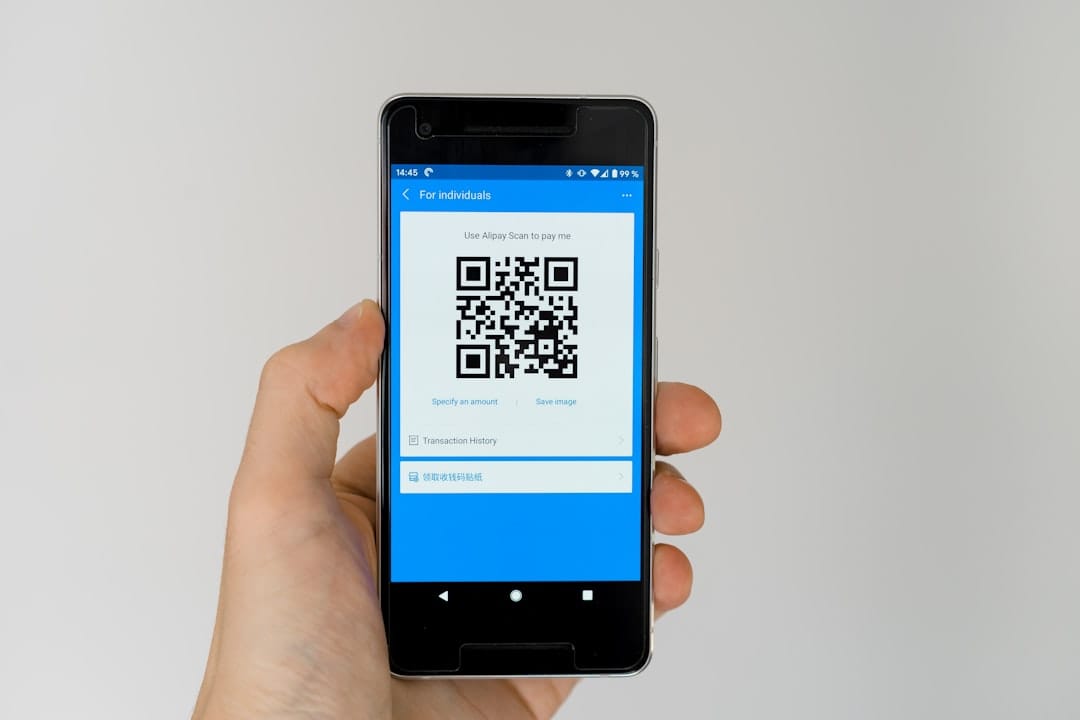
Understanding the Rise of QR Code Fraud
In a world where technology continuously evolves, the convenience of QR codes has transformed how we interact with digital content. They serve as gateways to websites, applications, and various forms of information with just a quick scan. However, as their use becomes ubiquitous, they also become a target for malicious activities. Let’s explore the landscape of QR code fraud, its implications, and how you can protect yourself.
What is QR Code Fraud?
QR code fraud occurs when malicious actors create deceptive codes that direct users to harmful websites or download malware onto devices. Unlike physical security breaches, this digital threat can be executed remotely and often goes unnoticed until significant damage is done. As QR codes are designed to be scanned quickly, users may not have the opportunity to verify the destination until it is too late.
The Appeal of QR Codes
The appeal of QR codes lies in their simplicity and efficiency. They can be used for everything from accessing restaurant menus and making payments to downloading apps and verifying information. As a result, they have become a preferred tool for marketers and businesses aiming to enhance user engagement. This widespread acceptance, however, makes them an attractive target for cybercriminals.
Common Methods of Exploitation
- Redirecting to Malicious Sites: Attackers can create a QR code that appears legitimate but redirects to a phishing site designed to steal personal information.
- Embedding Malware: Upon scanning, a code could initiate a download of harmful software that compromises the security of your device.
- Manipulating Payment Systems: Fraudsters might replace genuine QR codes in payment systems with their own, diverting funds into unauthorized accounts.
Recognizing and Preventing QR Code Fraud
To protect yourself from QR code scams, it's essential to exercise caution and stay informed. Here are several tips to help you safely navigate the digital landscape:
Verify Before You Scan
Before scanning a QR code, consider its source. Is it from a trusted entity? If the code is displayed in a public area or sent through an unexpected message, pause and assess its legitimacy. If in doubt, avoid scanning.
Use a Secure QR Code Reader
Some QR code readers offer additional security features, such as scanning for known threats before redirecting you to a website. Using a reputable QR code generator can also help ensure the codes you use are safe and reliable.
Check URLs Before Proceeding
After scanning a QR code, take a moment to review the URL before clicking any links or downloading files. Verify that the address matches the intended destination and is free from suspicious elements.
Keep Your Devices Secure
Regularly update your devices and applications to protect against vulnerabilities. Utilize antivirus software to detect and mitigate any malicious activities that may occur following a QR code scan.
The Future of QR Codes
As QR codes continue to proliferate in both commercial and personal settings, the technology behind them will likely evolve to enhance security measures. Innovations such as incorporating blockchain technology or enhanced encryption methods could become standard, providing users with greater peace of mind.
Conclusion
While QR code fraud presents a real threat, understanding its mechanisms and adopting protective strategies can greatly mitigate risks. As with all technology, staying informed and vigilant is your best defense. By leveraging secure practices and being mindful of potential threats, you can continue to enjoy the convenience of QR codes safely and confidently.