Understanding 'Quishing': The Emerging QR Code Scam
Understanding 'Quishing': The Emerging QR Code Scam
As technology continues to evolve, so do the methods utilized by scammers to exploit unsuspecting individuals. One such tactic gaining attention is "quishing," a cunning scam involving QR codes that has been observed in various parts of Florida. Though it hasn't yet made its way to Southwest Florida, it’s essential for residents to stay informed and cautious.
What is Quishing?
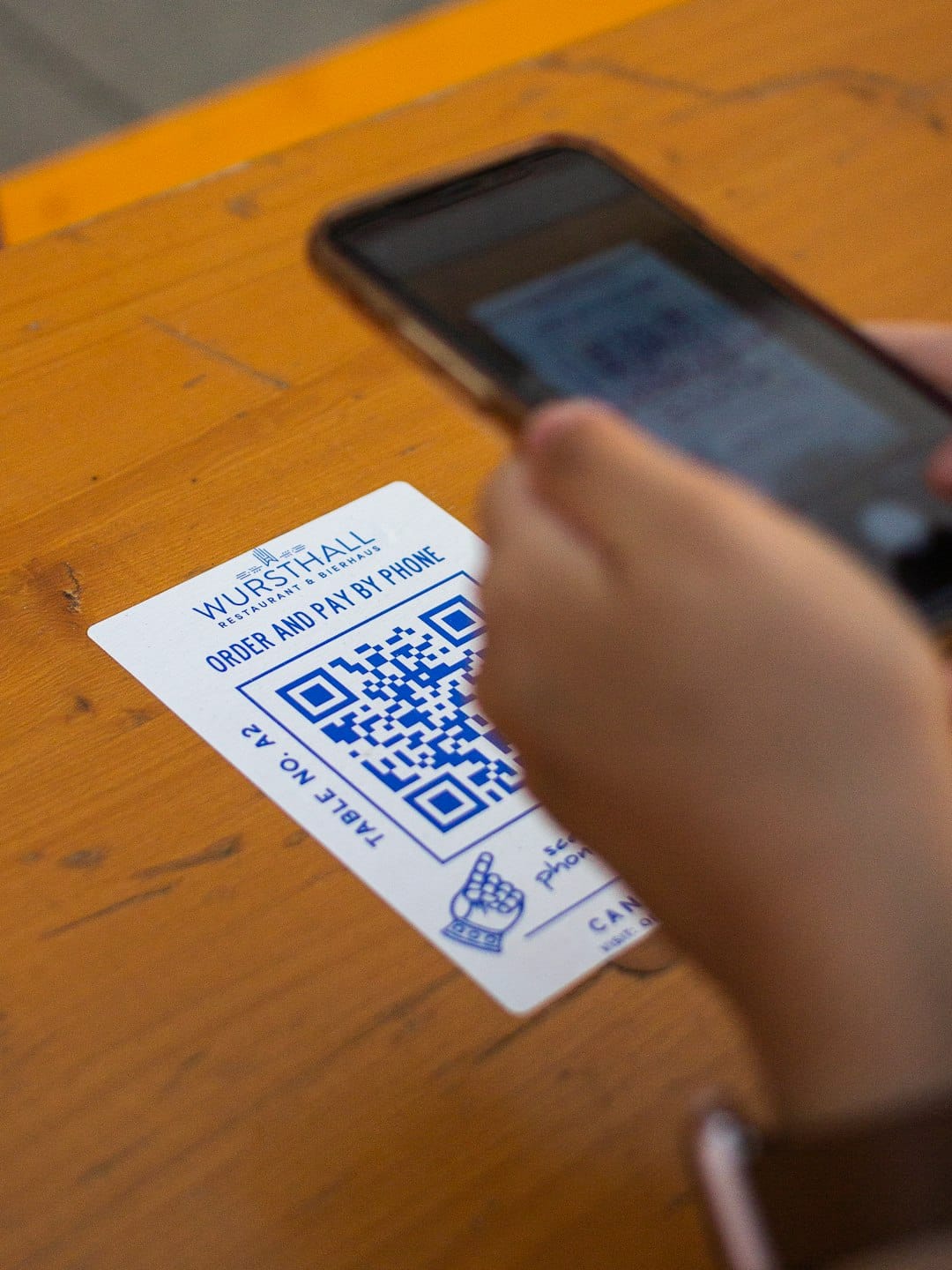
Quishing, a term derived from a combination of "QR code" and "phishing," involves scammers placing fake QR code stickers over legitimate ones. These fraudulent codes often lead unsuspecting users to malicious websites or prompt them to download harmful content. The ultimate goal is typically to install malware on the user's device or commit financial fraud.
QR codes are popular for their convenience, offering quick access to information with a simple scan. This ease of use, however, also makes them an attractive tool for scammers. A single scan of a deceptive QR code can result in compromised accounts, financial losses, or even identity theft.
How to Spot a Fake QR Code
To protect yourself from falling victim to quishing, it's crucial to recognize fake or suspicious QR codes. Here are some tips:
- Inspect the QR Code: Ensure that the QR code is not just a sticker placed over another. Look for any signs of tampering or misalignment.
- Check the URL: Once scanned, verify that the website URL is correct. Scammers often mimic legitimate sites but may have incorrect URLs, bad grammar, or poor design.
- Use Official Apps: For tasks like parking payments, it's safer to use official apps downloaded from your phone's app store rather than scanning random codes.
Current Situation in Southwest Florida
Local law enforcement in Lee, Collier, and Charlotte counties have not reported any incidents of quishing in the area. However, officials remain vigilant and aware of its potential. Chris Hall, of the Charlotte County Sheriff's Office, acknowledges that while it hasn't occurred locally, it's a known issue nationwide.
In Cape Coral, there are currently no paid parking areas requiring QR code payments, but authorities continue to monitor for any similar violations.
Staying Safe
Vigilance and awareness are your best defenses against quishing. Always double-check QR codes before scanning, and be cautious of where they may lead. Knowing how to identify suspicious codes can help protect your personal information and financial security.
For those interested in generating their own secure QR codes, using a reliable QR code generator is advisable. These tools can help ensure that codes are legitimate and safe for both personal and business use.
With the rise of such scams, it's crucial that individuals remain informed and cautious. As technology continues to advance, staying one step ahead of scammers can make all the difference in maintaining your privacy and security.