Understanding Quishing: Protecting Yourself from Malicious QR Code Scams
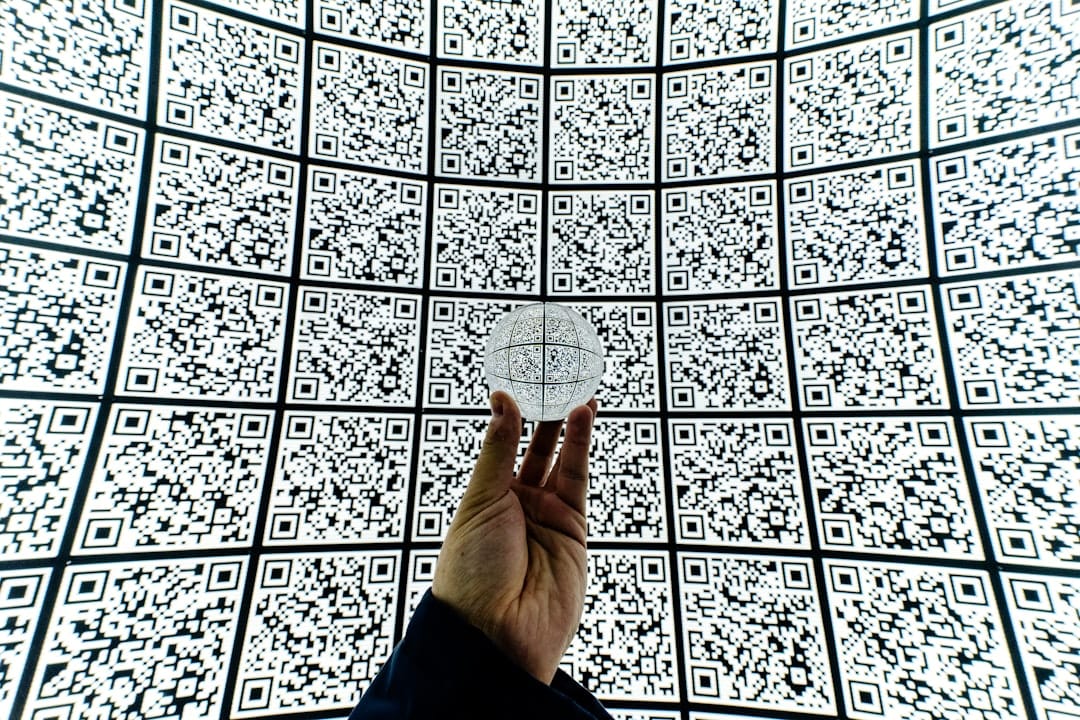
Understanding Quishing: Protecting Yourself from Malicious QR Code Scams
In today's digital age, the convenience of QR codes is undeniable. They effortlessly guide us to menus at restaurants, facilitate payments, and even help us track our online orders. However, this ease of use has also paved the way for a new type of scam known as "quishing."
What is Quishing?
Quishing is a cyberattack method where scammers deploy malicious QR codes to direct unsuspecting users to harmful websites that steal personal information. This tactic is gaining traction as more individuals and businesses embrace QR codes for their convenience.
Common QR Code Uses
QR codes have become ubiquitous in various settings. They appear in restaurants, allowing patrons to access menus and make payments. Hotels and doctors' offices use them for check-ins, while parking meters offer quick payment solutions via QR codes. Their application extends to virtual spaces, such as tracking shipping statuses for online orders.
How Quishing Works
The deceptive nature of quishing lies in its simplicity. Scammers create counterfeit QR codes and overlay them on legitimate ones, either digitally or physically. This alteration is often seamless, making it difficult for the average person to notice any discrepancies. Once scanned, these bogus codes redirect users to malicious sites that compromise their security.
Who is at Risk?
Everyone using QR codes is a potential target. While older individuals may be more vulnerable due to a lack of familiarity with digital security, younger, tech-savvy Millennials and Generation Z are not immune. Their frequent and sometimes careless scanning habits make them susceptible to such scams.
Protecting Yourself Against Quishing
Staying vigilant is crucial in avoiding the pitfalls of quishing. Here are some practical tips to protect yourself:
- Inspect QR codes for signs of tampering. Physical alterations, such as stickers or overlays, might indicate a scam.
- Be cautious of unsolicited QR code scans, especially in public spaces.
- Use a QR code generator to create secure and trustworthy QR codes for personal or business use.
- Consider using a QR code scanner app that can preview the URL before opening it, giving you an extra layer of protection.
The Importance of Awareness
Understanding the risks associated with QR codes is the first step toward safeguarding personal information. As Dustin Brewer from BlueVoyant highlights, the inconspicuous nature of QR code modifications makes them a preferred tool for attackers. The key is to remain aware and cautious of how and where QR codes are used.
Rob Lee from the SANS Institute compares the rise of quishing to the evolution of phishing emails. Both exploit the trust and convenience of digital tools. While it's not yet a widespread panic, the potential for high returns with little effort makes it an attractive method for cybercriminals.
Final Thoughts
In conclusion, as QR codes continue to be a staple in both public and private sectors, awareness and vigilance are essential. By understanding the mechanics of quishing and implementing protective measures, we can enjoy the benefits of QR technology while minimizing potential risks. Remember, a little caution goes a long way in ensuring your digital security.