Understanding QR Codes: The Modern Connector (Update)
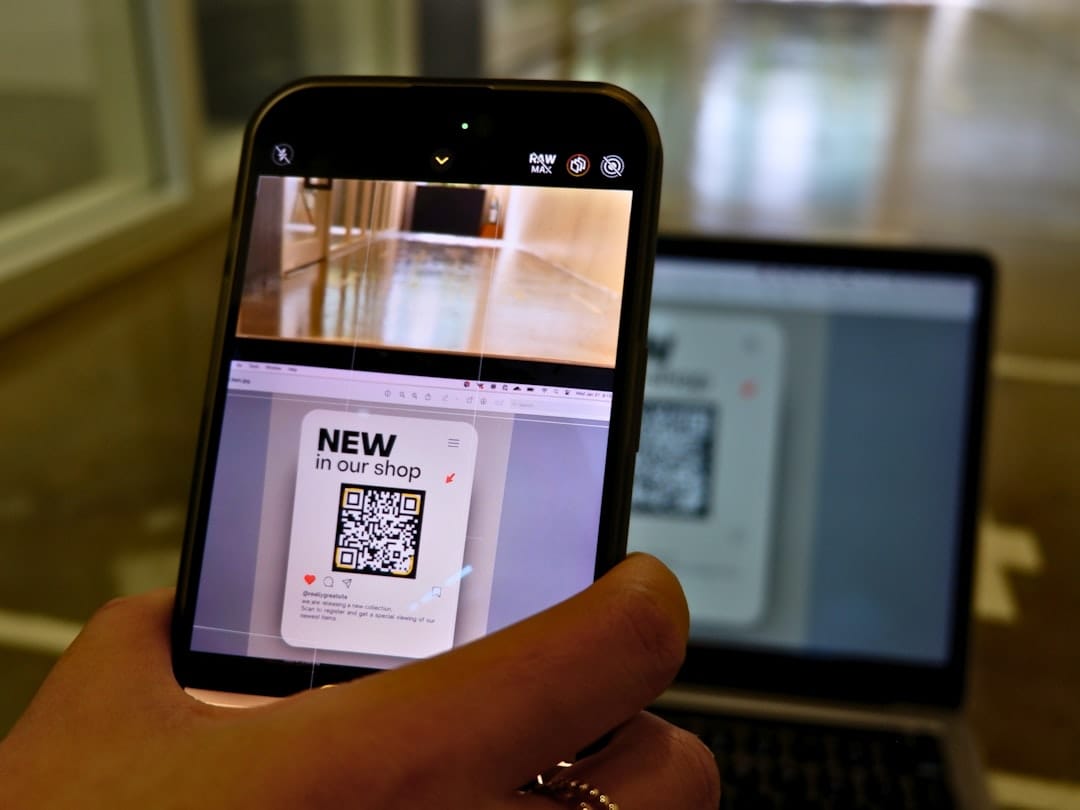
Understanding QR Codes: The Modern Connector
In today's digital age, QR codes have quickly become a ubiquitous tool, seamlessly bridging the physical and digital worlds. Whether you're trying to access a restaurant menu, download an app, or connect to Wi-Fi, these small, square patterns are everywhere. But what exactly are QR codes, and how can they be effectively utilized in daily life and business?
What Are QR Codes?
QR codes, short for Quick Response codes, are two-dimensional barcodes that can be scanned using a smartphone camera or a dedicated app. Designed in 1994 for the automotive industry, they have since expanded into various sectors due to their versatility. Unlike traditional barcodes, QR codes can store a significant amount of data, including URLs, text, contact information, and more.
How QR Codes Work
When scanned, a QR code translates its pattern into data readable by a device. This process involves the camera capturing the pattern and software decoding it to execute a function, such as opening a webpage or dialing a phone number. Thanks to their ability to store up to 7,089 digits or 4,296 characters, QR codes offer a compact way to share complex data.
Applications of QR Codes
The versatility of QR codes has led to their adoption across various industries. Here are some common applications:
Retail and Marketing
Businesses can use QR codes in advertising to direct potential customers to websites, promotional videos, or digital coupons. They allow for easy tracking of marketing campaign effectiveness and customer engagement.
Healthcare
In healthcare, QR codes can be used on patient wristbands to quickly access medical records, ensuring swift and accurate information retrieval in emergencies.
Education
Teachers and educational institutions use QR codes to provide students with quick access to supplementary materials or assignments. This enhances learning experiences by integrating digital resources into physical settings.
Event Management
QR codes simplify event management through digital tickets. Attendees can receive their tickets via email, scan them at the entrance, and avoid the hassle of paper tickets.
Creating QR Codes
Generating a QR code is straightforward, thanks to various online tools. One of the most efficient ways to create one is through a QR code generator. These platforms allow users to customize the appearance and functionality of their QR codes, tailoring them to specific needs.
Best Practices for QR Code Usage
To maximize the effectiveness of QR codes, consider the following best practices:
- Clear Purpose: Ensure the QR code serves a clear, valuable purpose for the user, such as providing additional information or exclusive content.
- Testing: Before distribution, test the QR code with multiple devices to guarantee functionality and accessibility.
- Location: Place QR codes in areas where they are easily visible and accessible, avoiding cluttered designs or placements that require excessive zooming.
- Instructions: Provide simple instructions, especially if your target audience may be less familiar with scanning QR codes. A brief note like "Scan to view menu" can guide users effectively.
- Analytics: Use QR codes that offer analytics to track engagement, helping you refine marketing strategies and understand user behavior.
The Future of QR Codes
As technology evolves, so too will the capabilities of QR codes. With advancements in augmented reality and increased smartphone adoption, QR codes are expected to become even more integrated into our daily lives. They may soon support richer multimedia content and more interactive experiences.
In conclusion, QR codes are much more than a simple link to a webpage. They represent a growing bridge between the tangible world and the boundless possibilities of digital interaction. By understanding and implementing the best practices for QR code usage, individuals and businesses can harness their full potential, driving engagement and enhancing the user experience.