Understanding QR Codes: How They’re Transforming Communication
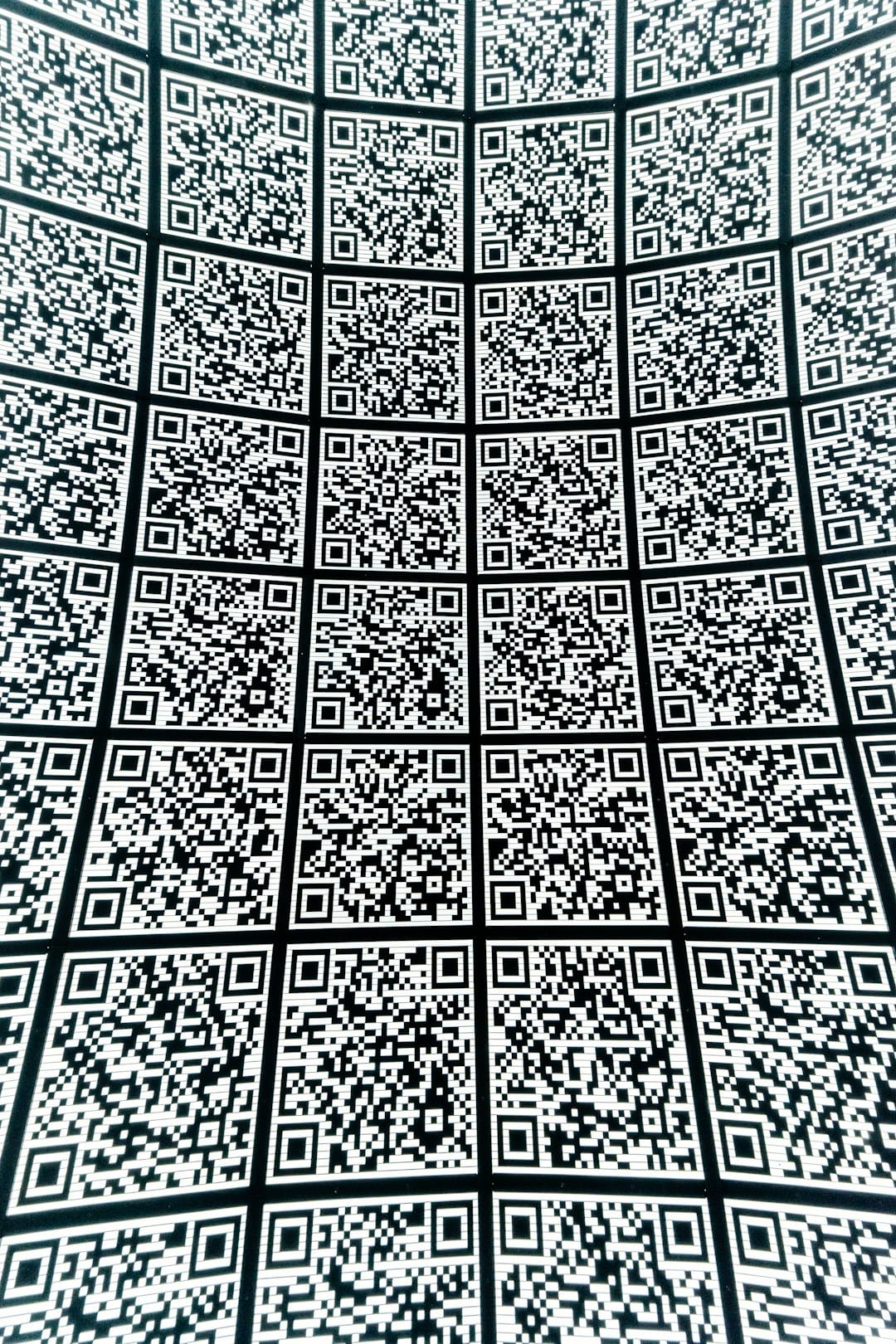
Understanding QR Codes: How They’re Transforming Communication
In today's fast-paced digital world, QR codes have become an integral tool for bridging the gap between physical and digital spaces. Originally developed in the 1990s for tracking automotive parts, these quirky little squares are now everywhere—from product packaging to billboards and even business cards. But what exactly is a QR code, and how can you effectively use one?
What is a QR Code?
A QR code, short for Quick Response code, is a two-dimensional barcode that can store a significant amount of information. When scanned with a smartphone or QR code reader, it quickly directs the user to the encoded data, which can be a URL, text, contact information, or other forms of content.
The Rise of QR Codes
QR codes have seen a resurgence in recent years, largely driven by the widespread adoption of smartphones. Their use skyrocketed during the COVID-19 pandemic as businesses sought contactless solutions to interact with customers safely. From digital menus in restaurants to contactless payments, QR codes have proven to be both versatile and efficient.
Benefits of Using QR Codes
QR codes offer several advantages that make them appealing for both businesses and individuals. Here are some key benefits:
- Convenience: They provide quick and easy access to information without the need for typing long URLs.
- Cost-effective: Creating and printing QR codes is relatively inexpensive, especially when compared to traditional advertising methods.
- Interactive: QR codes can enhance user engagement by offering interactive content or exclusive offers.
- Trackable: When linked to analytics tools, they can provide data on scan rates and user behavior, helping businesses refine their strategies.
How to Create a QR Code
Creating a QR code is a straightforward process. There are numerous online QR code generator tools available that allow users to customize codes to suit their specific needs. Here’s a simple guide to get you started:
- Choose a reliable QR code generator.
- Decide what type of data you want to encode (e.g., URL, text, contact details).
- Enter the relevant information into the generator.
- Customize the design of your QR code if needed (color, logo, frame).
- Download and test the QR code to ensure it works correctly.
Best Practices for QR Code Usage
To maximize the effectiveness of your QR codes, consider the following best practices:
Placement and Visibility
Ensure that your QR codes are placed in locations where they can be easily scanned. Avoid placing them on highly reflective surfaces or in areas with poor lighting. Make sure they're of adequate size to be scanned from a reasonable distance.
Provide Clear Instructions
While QR codes are gaining popularity, not everyone is familiar with how to use them. Providing simple instructions alongside your QR code can encourage more people to engage with it.
Test Before Launch
Always test your QR code on different devices to ensure it directs users to the intended destination. This helps avoid potential issues and enhances the user experience.
The Future of QR Codes
As technology advances, QR codes are likely to evolve and expand into new applications. Innovations such as dynamic QR codes, which allow the destination URL to be edited after the code is generated, offer exciting possibilities for marketers and developers. Additionally, with the rise of augmented reality, QR codes could serve as gateways to immersive digital experiences.
In conclusion, QR codes have proven their worth as a versatile tool in both business and daily life. Whether you're a marketer looking to increase engagement or a consumer seeking convenience, these little squares hold significant potential. As their applications continue to grow, now is the perfect time to explore how QR codes can benefit you.