Understanding QR Codes: A Practical Guide (Update)
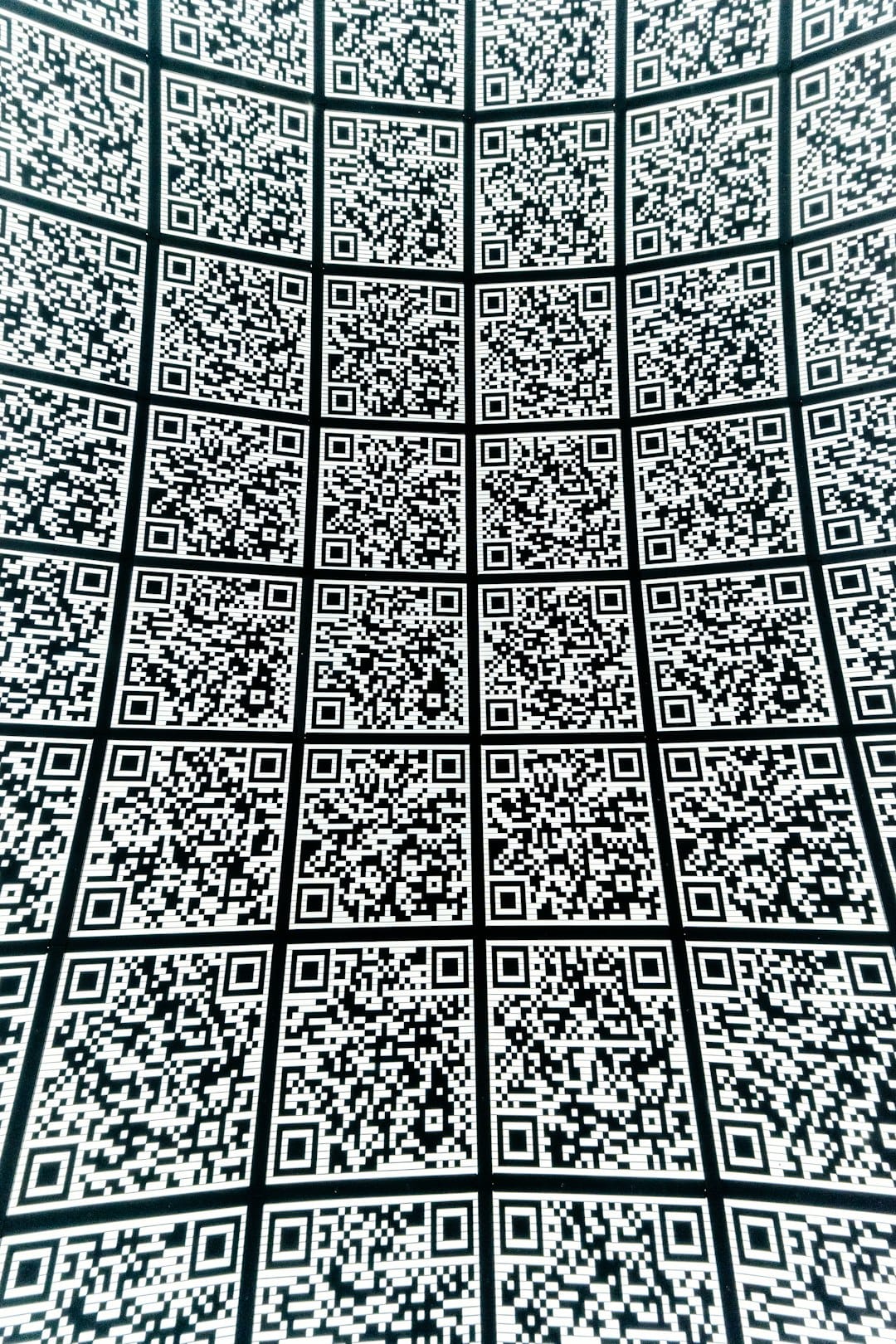
Understanding QR Codes: A Practical Guide
In today’s digital world, QR codes have become ubiquitous. Whether you're attending an event, scanning a product, or accessing information quickly, these small squares of black and white pixels are everywhere. But what exactly are QR codes, and how can they be utilized effectively? Let's dive into the basics and practical applications of QR codes.
What Are QR Codes?
QR codes, short for Quick Response codes, are two-dimensional barcodes that can be scanned using a smartphone camera to access information quickly. Originally developed in Japan for the automotive industry, QR codes have since expanded into various sectors, including marketing, retail, and logistics, due to their ability to store a significant amount of data.
How Do QR Codes Work?
QR codes work by encoding information into a two-dimensional grid of black squares on a white background. When scanned with a QR code reader, the pattern is decoded and translated into readable data, which can be a URL, text, contact information, or any other type of data.
The Mechanics Behind QR Codes
A QR code consists of several key components:
- Data Region: Contains the actual encoded information.
- Position Markers: Located at three corners to help the scanner detect the code's orientation.
- Alignment Marker: Helps the scanner read the code accurately, even if it's slightly tilted.
- Timing Pattern: Assists in maintaining the code's structure and readability.
Using QR Codes in Everyday Life
The versatility of QR codes makes them suitable for a wide range of applications. Here are a few practical uses:
Marketing and Advertising
Businesses use QR codes to engage consumers by directing them to promotional websites, social media pages, or special offers. This instant connection enhances customer interaction and provides a seamless way to access information.
Retail and Product Packaging
QR codes on product packaging can provide detailed information, such as nutritional facts, usage instructions, or brand stories. By scanning these codes, consumers can learn more about what they're purchasing and make informed decisions.
Event Management
Event organizers often use QR codes for ticketing and entry management. Attendees can download tickets to their smartphones, and event staff can easily scan them at the entrance, streamlining the process and reducing paper waste.
Creating Your Own QR Codes
Generating QR codes is straightforward with the help of tools available online. One effective tool is a QR code generator, which allows you to create customized codes for various purposes, from personal use to professional applications.
Steps to Generate a QR Code
- Choose a reliable QR code generator tool.
- Select the type of content you want to encode (e.g., URL, text, contact info).
- Enter the information and customize the design if needed.
- Download and test the code to ensure it works correctly.
Ensuring QR Code Security
While QR codes offer convenience, it's crucial to be mindful of security. Always verify the source of a QR code before scanning, especially if it's from an unfamiliar source. This caution helps protect against phishing scams and data breaches.
Safety Tips
- Use a QR code scanner that previews the destination URL before opening it.
- Be cautious of codes that redirect to websites asking for personal information.
- Regularly update your device’s security software to protect against potential threats.
The Future of QR Codes
As technology evolves, so do the applications of QR codes. With continual advancements, we can expect to see even more innovative uses across various industries. From augmented reality integrations to enhanced security features, the possibilities are vast and exciting.
In conclusion, QR codes are a versatile and efficient tool that can simplify numerous tasks in our daily lives. Whether you're a business looking to enhance consumer interaction or an individual seeking convenience, understanding and utilizing QR codes can provide valuable benefits.