Understanding QR Codes: A Modern Tool for Connectivity (Update)
Understanding QR Codes: A Modern Tool for Connectivity
In today's digital age, QR codes have emerged as a powerful tool for connecting the physical and digital worlds. These codes are everywhere, from product packaging to business cards, offering a seamless way to share information quickly and efficiently. But what exactly are QR codes, and how can they benefit you? Let's explore the basics and practical applications of this technology.
What Are QR Codes?
QR codes, short for Quick Response codes, are two-dimensional barcodes that can be scanned using a smartphone or a dedicated QR code scanner. Unlike traditional barcodes that hold information horizontally, QR codes store data both horizontally and vertically, allowing them to contain much more information. This makes QR codes incredibly versatile, capable of storing URLs, contact information, and even text messages.
The History of QR Codes
QR codes were first developed in 1994 by a Japanese company to track automotive parts during the manufacturing process. Their ability to store and quickly access large amounts of data soon found applications beyond manufacturing, spreading into marketing, retail, and even personal use.
How to Use QR Codes
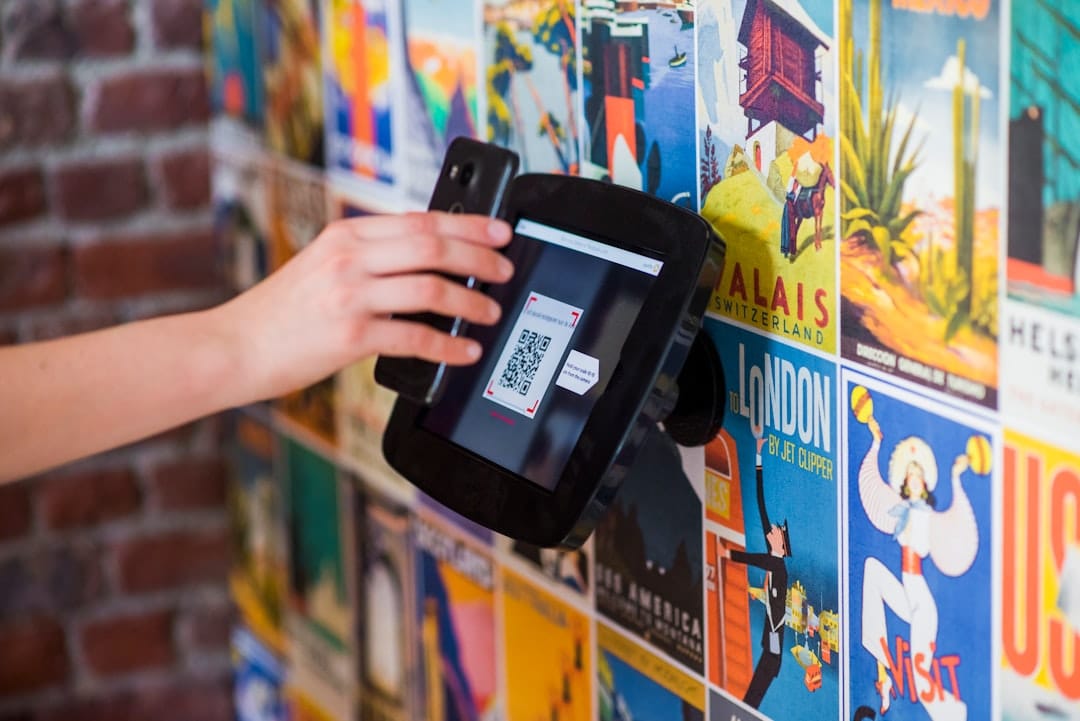
Using QR codes is straightforward. All you need is a smartphone with a camera and a QR code scanning app. Most modern smartphones come with built-in scanners, so you simply open your camera and point it at the QR code. Within seconds, the encoded information is revealed, taking you to a website, downloading an app, or displaying a text message.
Creating Your Own QR Codes
Creating a QR code is easier than you might think. A QR code generator allows you to enter the data you want to encode, and it will produce a unique QR code for you to use. This tool is invaluable for businesses wanting to engage customers with interactive content or individuals seeking to share information effortlessly.
Practical Applications of QR Codes
QR codes have a wide range of applications, making them incredibly useful in various fields:
- Marketing and Advertising: QR codes can link physical advertisements to digital content, such as promotional videos or special offers, enhancing customer engagement.
- Retail and E-commerce: They provide product information or assist with mobile payments, streamlining the shopping experience.
- Event Management: Tickets with QR codes simplify entry processes, while providing additional event details or updates.
- Education: Educators use QR codes to share supplementary materials or interactive quizzes, making learning more interactive.
- Healthcare: QR codes on medical devices or prescriptions can hold detailed patient information, improving the accuracy of medical records.
Security Considerations
While QR codes are convenient, they do present some security risks. Malicious QR codes can redirect users to phishing sites or trigger harmful downloads. To protect yourself, ensure that you recognize the source of a QR code before scanning it. Many smartphones now display URL previews, providing an extra layer of security before you proceed.
Future of QR Codes
As technology continues to evolve, so too will the applications for QR codes. Their integration into everyday life is likely to deepen, with potential advancements in augmented reality and secure transactions. Whether it's for business or personal use, QR codes offer an unparalleled blend of simplicity and functionality, making them an essential tool for the future.
In conclusion, QR codes are more than just a trendy tech feature; they are a bridge connecting people to the information they need with a simple scan. As you embrace this technology, be mindful of its power and potential pitfalls, and make the most out of its myriad applications.