Understanding QR Codes: A Modern Tool for Connectivity (Update)
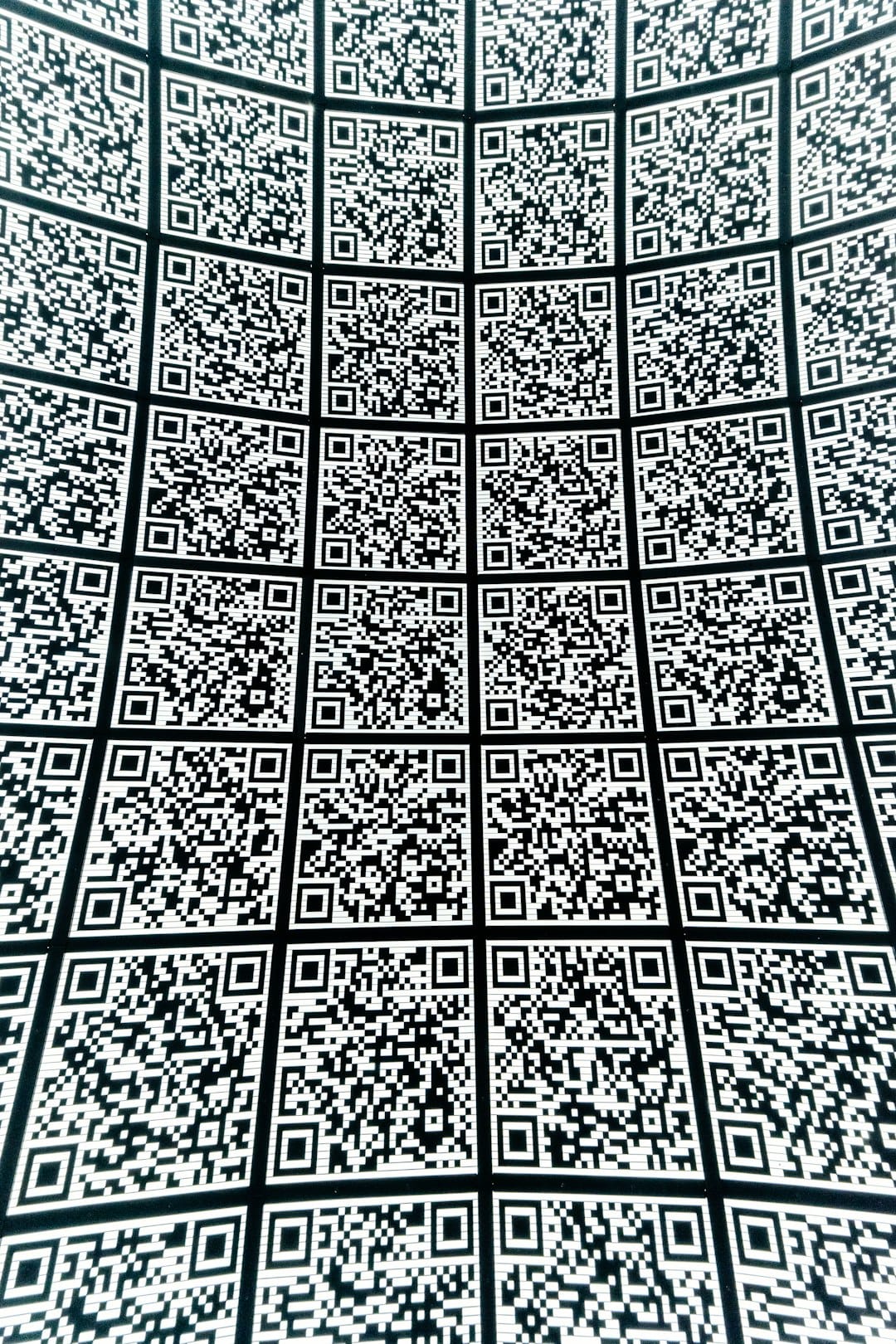
Understanding QR Codes: A Modern Tool for Connectivity
In today's digital age, QR codes have become an essential tool for bridging the physical and digital worlds. These ubiquitous little squares are not just a trend; they have practical applications that streamline various processes in our everyday lives. Let's explore how QR codes work, their benefits, and how you can create one easily.
What Are QR Codes?
QR codes, or Quick Response codes, are two-dimensional barcodes that store information like URLs, text, and other data. Unlike traditional barcodes that only hold data in one direction, QR codes utilize both horizontal and vertical dimensions, allowing them to store significantly more information. This makes them extremely versatile for a wide range of uses.
The Benefits of Using QR Codes
QR codes offer numerous advantages for both businesses and consumers:
- Ease of Use: QR codes are user-friendly. Anyone with a smartphone can scan them and instantly access the encoded information.
- Cost-Effective Marketing: For businesses, QR codes are a budget-friendly way to engage with customers. They can be printed on various materials, from business cards to posters.
- Versatility: These codes are not limited to URLs—they can store contact details, Wi-Fi login credentials, and more.
- Tracking and Analytics: By linking QR codes to digital platforms, businesses can track scans and gain insights into customer behavior, enhancing their marketing strategies.
Practical Applications of QR Codes
Given their versatility, QR codes are used in numerous fields:
1. Marketing and Advertising
QR codes can enhance advertising campaigns by directing consumers to promotional websites, sign-up forms, or even digital coupons. This instant access to information can significantly boost customer engagement and sales.
2. Retail and Inventory Management
Retailers use QR codes for product information and inventory management. Scanning a code can quickly provide details about a product's price, availability, and features, streamlining the shopping experience.
3. Contactless Payments
In an era where contactless interactions are preferred, QR codes facilitate secure payments without the need for physical contact. Many payment apps now include QR code scanning for transactions.
4. Event Management
Event organizers use QR codes for ticketing and check-ins. This reduces wait times and ensures a seamless experience for attendees.
Creating Your Own QR Code
Creating a QR code is a straightforward process thanks to tools like the QR code generator. Here’s a simple guide to get you started:
- Select a Generator: Choose a reputable QR code generator to begin. Most offer free basic services with options to upgrade for advanced features.
- Input Your Information: Decide what information you want to encode—whether it’s a URL, text, or other data. Enter this into the generator.
- Customize Your Code: Some generators allow you to customize the design of your QR code with colors and logos. This can help align the code with your brand’s aesthetic.
- Download and Test: Once your QR code is ready, download it and test it with multiple devices to ensure it scans correctly.
- Implement and Monitor: Use your QR code in your desired application and track its usage to measure engagement and effectiveness.
Future of QR Codes
The future of QR codes is promising as more industries discover new applications. Innovations like augmented reality and enhanced security features will likely expand their capabilities, making them an even more integral part of our digital landscape.
In conclusion, QR codes are an incredibly versatile and powerful tool that makes digital information more accessible. By understanding their uses and how to create them, businesses and individuals can leverage this technology to enhance communication and streamline processes.