Understanding QR Codes: A Modern Necessity in a Digital World (Update)
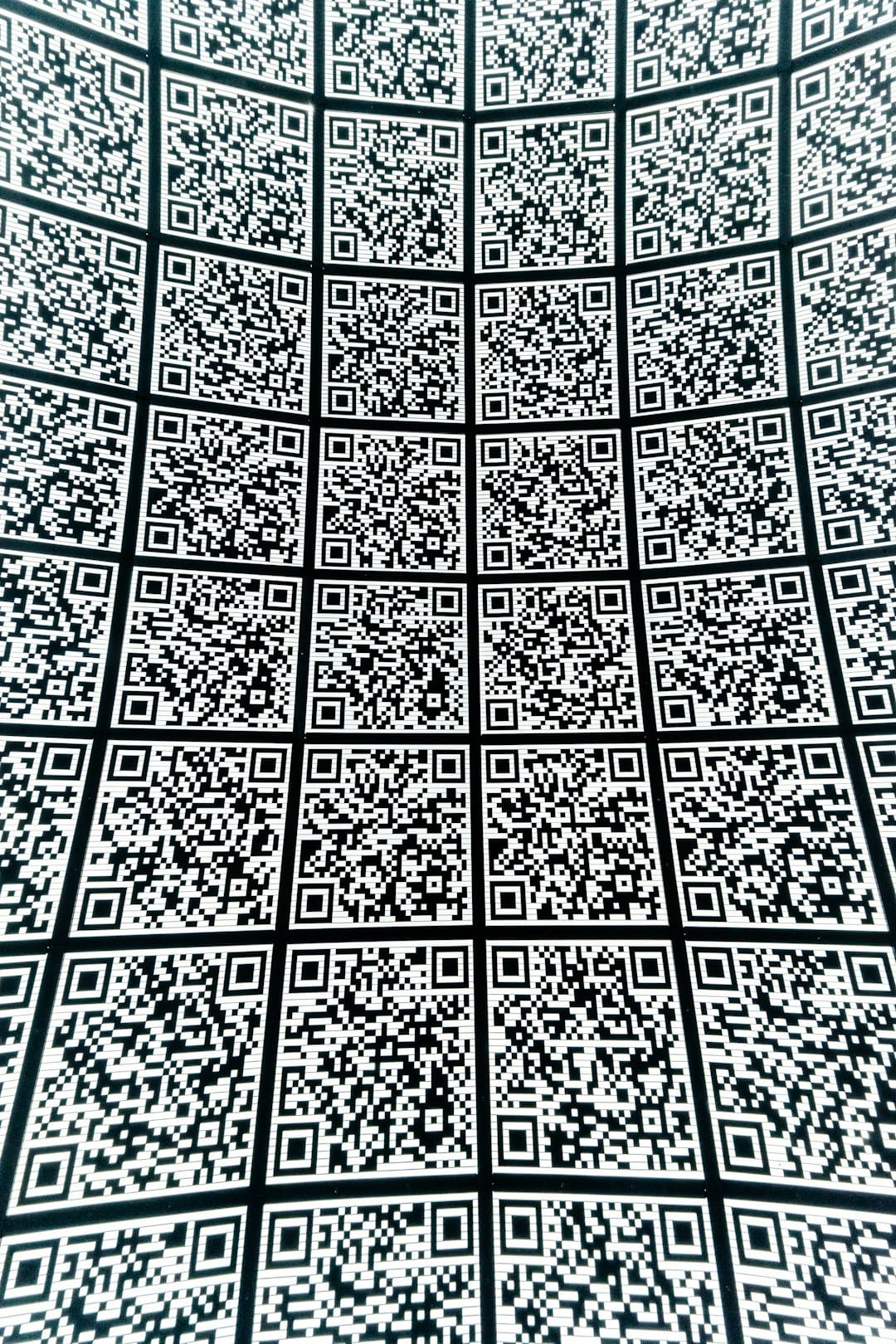
Understanding QR Codes: A Modern Necessity in a Digital World
In today's fast-paced digital landscape, QR codes have become an integral tool for businesses and everyday users alike. These ubiquitous black and white squares are more than just a tech novelty; they provide a bridge between the physical and digital worlds, offering seamless access to information with a simple scan.
What Are QR Codes?
QR codes, short for Quick Response codes, are two-dimensional barcodes that store information in a series of pixels arranged in a square grid. Originally developed in Japan for the automotive industry, they have since evolved into a versatile medium for sharing data. QR codes can encode a variety of information, including web URLs, plain text, email addresses, and more.
The Rise of QR Codes in Everyday Life
The adoption of QR codes has grown significantly over recent years, thanks in part to the widespread use of smartphones equipped with cameras. This technology allows users to quickly scan codes without needing additional hardware. As a result, QR codes have become a staple in marketing, retail, and even as a tool for contactless transactions in various industries.
Marketing and Advertising
Businesses continually seek innovative ways to engage customers, and QR codes offer a dynamic solution. Marketers use these codes to provide immediate access to promotional content, such as special offers, product information, and interactive experiences. By incorporating QR codes into print materials and digital media, companies can enhance their outreach and maintain consumer interest.
Retail and E-commerce
In the world of retail, QR codes simplify the shopping experience by offering instant access to product details and user reviews. Customers can scan a code to learn more about an item, compare prices, or even make a purchase directly from their mobile device. This convenience not only streamlines the buying process but also encourages more informed purchase decisions.
Contactless Payment and Transactions
QR codes are also making waves in the financial sector, enabling contactless payment options that are both secure and efficient. Users can link a QR code to their digital wallet or payment app, facilitating transactions without the need for cash or cards. This method has gained popularity due to its ease of use and added layer of security during times of heightened health awareness.
Creating Your Own QR Codes
Generating a QR code is a straightforward process, thanks to numerous online tools available. A QR code generator allows users to customize the appearance and content of their codes to suit specific needs. Whether for personal use or business applications, these tools provide a quick and easy way to create functional QR codes.
Best Practices for QR Code Deployment
While QR codes offer numerous advantages, their effectiveness depends on thoughtful implementation. Here are some best practices to consider when deploying QR codes:
- Placement Matters: Ensure QR codes are placed in locations where they can be easily scanned. Avoid areas that are too high, low, or obstructed.
- Size and Clarity: Make sure codes are large enough to be scanned easily and maintain high contrast between the code and background.
- Testing: Always test the functionality of your QR codes before public deployment to ensure they lead users to the correct content.
- Call to Action: Pair your QR code with a clear call to action, encouraging users to scan the code and explaining what they will gain from doing so.
- Track Performance: Use analytics tools to track the performance of your QR codes, helping you understand their impact and optimize future campaigns.
The Future of QR Codes
As technology continues to evolve, so too will the applications for QR codes. Innovations such as augmented reality (AR) and the Internet of Things (IoT) are expected to further enhance the capabilities of these versatile squares. Businesses and individuals who leverage the potential of QR codes will likely find themselves ahead in a landscape where digital accessibility is paramount.
In conclusion, QR codes are not just a passing trend but a powerful tool that bridges the gap between the digital and the tangible. By understanding and utilizing these codes effectively, anyone can enhance their digital presence and streamline interactions in the modern world.