Understanding QR Codes: A Modern Guide
Understanding QR Codes: A Modern Guide
In the digital age, QR codes have emerged as a versatile tool, bridging the gap between physical and digital worlds. These simple, square patterns hold the power to enhance user experiences, streamline processes, and provide instant access to information. But what exactly are QR codes, and how can they be effectively utilized in various domains?
What Are QR Codes?
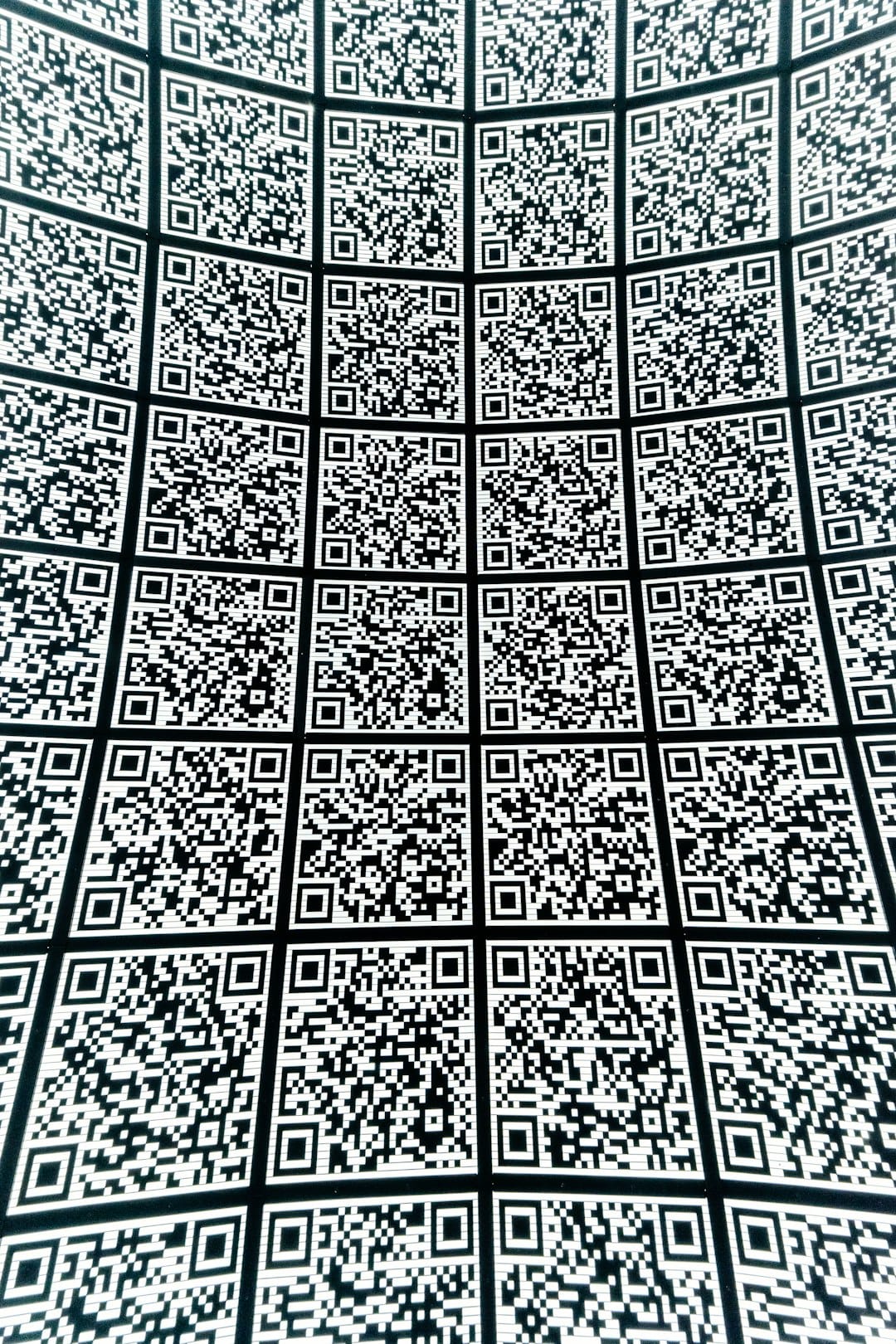
QR codes, or Quick Response codes, are a type of matrix barcode that can be scanned using a smartphone or dedicated QR scanner. These codes can store a significant amount of information, ranging from plain text to URLs, and can be customized for different purposes. Originally designed for the automotive industry in Japan, they have now become a common feature in marketing, logistics, and beyond.
Applications of QR Codes
QR codes are incredibly versatile, finding applications across numerous sectors. Here's how they are being used:
- Marketing and Advertising: Companies use QR codes to provide consumers with direct access to promotions, websites, and product information.
- Retail: Retailers implement QR codes for inventory management and to offer customers details about product specifications and reviews.
- Events: Event organizers distribute QR codes on tickets for easy check-ins, reducing waiting times and improving security.
- Healthcare: Hospitals use QR codes on patient wristbands to quickly access medical records and ensure accurate treatment.
- Education: Educators employ QR codes to share resources, quizzes, and additional content with students seamlessly.
Creating QR Codes
Generating QR codes is a straightforward process thanks to a variety of tools available online. A QR code generator allows users to create customized codes tailored to their specific needs. Whether you’re embedding a URL, contact details, or a promotional message, these generators simplify the creation process, making it accessible to everyone.
Steps to Generate a QR Code
- Select a QR Code Generator: Choose a reliable online tool that offers customization options.
- Enter Your Information: Input the data you want encoded, such as a web address or a text message.
- Customize the Design: Many generators allow you to adjust colors, add logos, or change the shape to suit your branding.
- Download and Test: Once your QR code is generated, download it and test it with a scanner to ensure it works correctly.
Best Practices for QR Code Usage
To maximize the effectiveness of QR codes, consider the following best practices:
- Provide a Clear Call to Action: Encourage users to scan the QR code by indicating what they can expect, like “Scan for a discount!”
- Ensure Accessibility: Place QR codes where they can be easily seen and scanned, avoiding reflective surfaces or locations with poor lighting.
- Test Regularly: Continuously test QR codes to ensure they direct users to the intended content, especially if the URL or information changes.
- Consider User Privacy: Be transparent about data collection and usage if the QR code leads to forms or data submission.
Future of QR Codes
The future of QR codes looks promising as technology continues to integrate deeper into daily life. Emerging trends include integrating augmented reality elements into QR codes, further enhancing interactivity and user engagement. As more devices become equipped with enhanced scanning capabilities, the adoption and creativity surrounding QR codes are set to grow.
In conclusion, QR codes are a powerful tool for connecting digital and physical spaces, offering businesses and individuals endless possibilities to innovate and engage. By understanding and utilizing this technology effectively, you can open new doors for communication, marketing, and user interaction.