Understanding QR Codes: A Modern Convenience (Update)
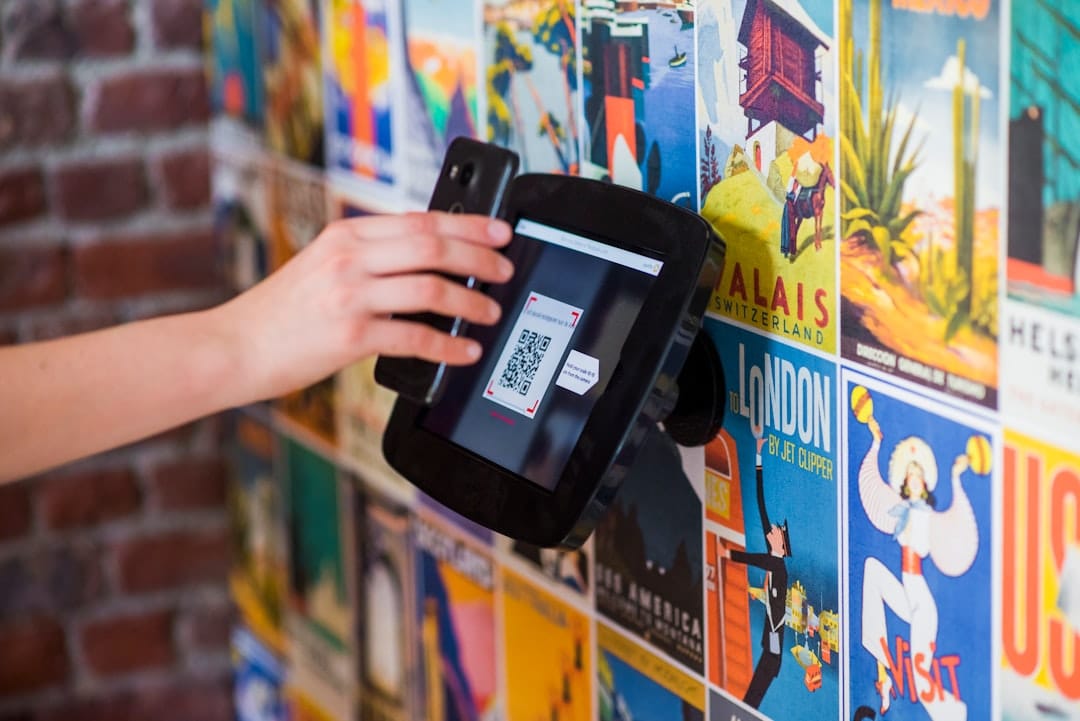
Understanding QR Codes: A Modern Convenience
In today's fast-paced digital world, QR codes have become an essential tool, seamlessly linking the physical and digital realms. These compact squares of black and white patterns are more than just a passing technological fad; they represent a significant advancement in simplifying how we interact with information and services.
What Are QR Codes?
QR codes, or Quick Response codes, are two-dimensional barcodes that can be scanned using smartphones or dedicated scanning devices. Unlike traditional barcodes, which store data in a linear fashion, QR codes can hold a wealth of information, including URLs, text, contact details, and more. This makes them incredibly versatile and useful across various industries.
The Rise of QR Codes
Initially developed in Japan for the automotive industry, QR codes quickly found their way into mainstream use. Their ability to store more data and provide faster scanning capabilities made them ideal for marketing, logistics, and retail. As smartphone technology advanced, so did the accessibility and utility of QR codes, leading to their widespread adoption.
Applications of QR Codes
The applications of QR codes are diverse and constantly expanding. Here are some of the most common uses:
- Marketing and Advertising: Businesses use QR codes to engage customers, offering a quick way to access promotional content, discounts, or product details.
- Contactless Payments: QR codes facilitate secure and quick transactions, allowing users to make purchases with just a scan.
- Event Management: Tickets and passes often incorporate QR codes to streamline entry and improve security at events.
- Product Packaging: Scanning a QR code on packaging can provide consumers with product information, usage instructions, or promotional offers.
- Education: Teachers integrate QR codes into assignments and presentations to provide students with easy access to additional resources.
The Technology Behind QR Codes
The efficiency and functionality of QR codes stem from their design. A QR code consists of black squares arranged on a white grid, encoded with data that is read and interpreted by a scanner. The design allows for 360-degree readability, meaning QR codes can be scanned from any angle. This feature, combined with error correction capabilities, ensures reliable scanning even if the code is damaged or partially obscured.
Creating Your Own QR Code
Thanks to modern software tools, generating a QR code is a straightforward process. By using a QR code generator, individuals and businesses can create custom codes tailored to their specific needs. These tools typically allow users to choose the type of data to be stored, adjust design elements, and even incorporate logos or brand colors for a personalized touch.
Best Practices for QR Code Usage
To maximize the effectiveness of QR codes, consider the following best practices:
- Ensure Readability: Place QR codes in accessible locations with adequate lighting and avoid overly complex designs that might hinder scanning.
- Test Before Deployment: Always test QR codes with multiple devices and scanning apps to ensure functionality.
- Provide Context: Accompany QR codes with a brief explanation or call-to-action to guide users on what to expect after scanning.
- Monitor Performance: Use analytics tools to track scan rates and user engagement, helping refine future campaigns.
The Future of QR Codes
As technology continues to evolve, so too will the capabilities and applications of QR codes. We can expect to see further integration with augmented reality, enhanced security features, and innovations that will expand their use in new and exciting ways.
In conclusion, QR codes are here to stay, offering a bridge between our physical world and digital interactions. Whether for personal or business purposes, understanding and utilizing this technology can lead to greater connectivity and convenience in our daily lives.