Understanding QR Codes: A Gateway to Digital Interaction
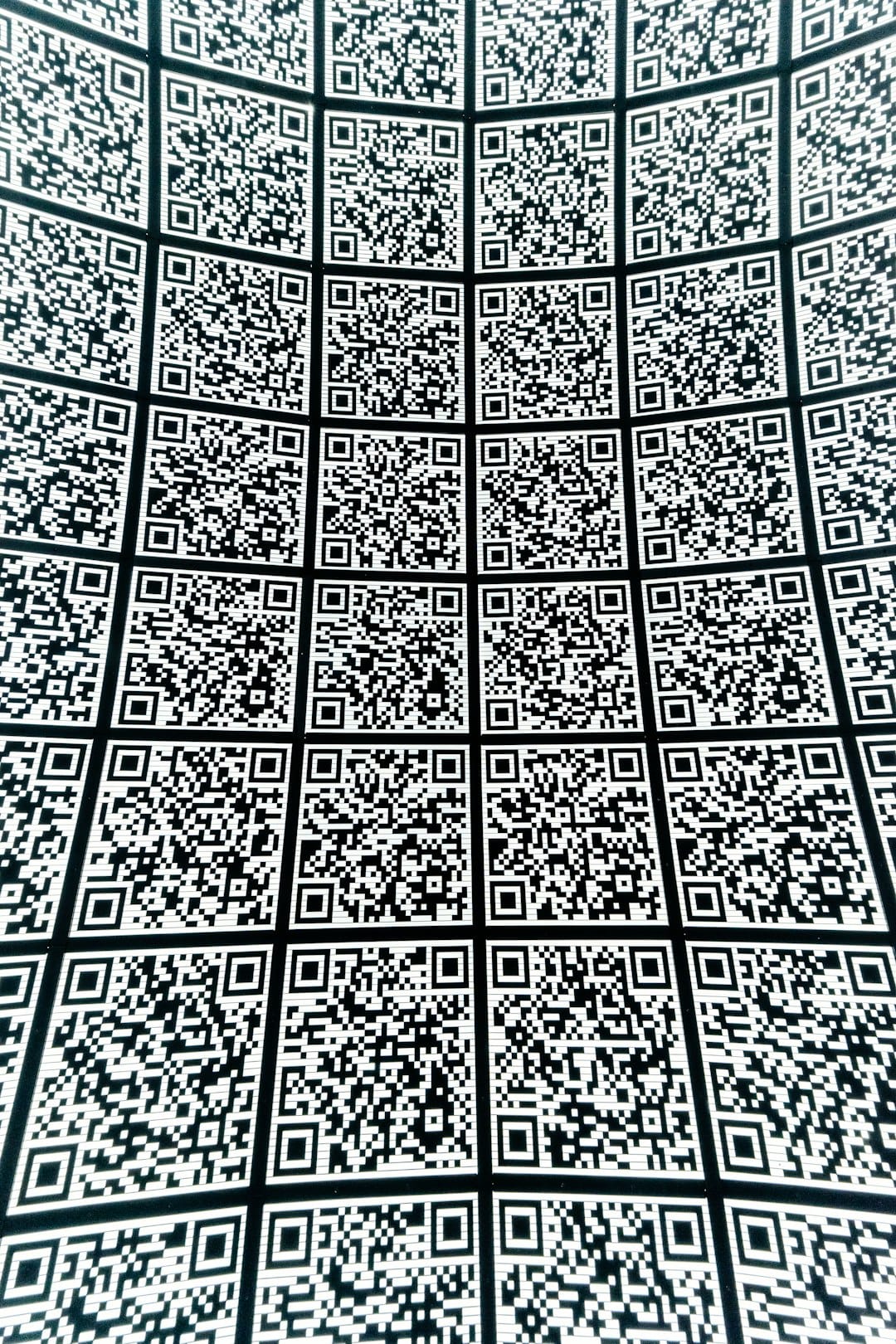
Understanding QR Codes: A Gateway to Digital Interaction
QR codes have become a ubiquitous part of our daily lives, seamlessly bridging the divide between the physical and digital worlds. Whether you're scanning a restaurant menu, accessing a website, or sharing contact information, these square barcodes can do it all. But what exactly makes them so popular, and how can you create one?
The Rise of QR Codes
Quick Response (QR) codes were first developed in the mid-1990s for the automotive industry. Since then, their versatility and ease of use have propelled them into almost every sector. With the growing prevalence of smartphones equipped with cameras and QR code scanning capabilities, their usage has skyrocketed.
The simplicity of QR codes is a significant factor in their popularity. Users can simply point their smartphone camera at a QR code, and a wealth of information becomes instantly accessible. This kind of interaction is not only convenient but also efficient, eliminating the need for lengthy URLs or complicated instructions.
How Do QR Codes Work?
QR codes work by encoding data into a two-dimensional barcode. This data can include URLs, text, phone numbers, or other information. When a QR code is scanned by a camera-equipped device, like a smartphone, the encoded information is quickly decoded and displayed for the user.
The design of QR codes allows them to store a substantial amount of data compared to traditional barcodes, which is why they can be used for a variety of purposes. The square grid pattern of a QR code is designed to be readable from any angle, making it a robust tool for accessing digital content.
Creating Your Own QR Code
If you're looking to create a QR code, the process is straightforward thanks to numerous tools available online. A QR code generator makes it easy to create codes for personal or business use. These generators allow you to input the data you want to encode and customize the design of your QR code.
Some generators offer additional features, such as tracking and analytics, which can be particularly beneficial for businesses looking to monitor engagement with their QR codes. By understanding how users interact with your codes, you can gain valuable insights into customer behavior and preferences.
Practical Applications of QR Codes
QR codes are used in a myriad of ways across different industries. Here are some common applications:
- Marketing and Advertising: QR codes can be printed on flyers, posters, or business cards, directing potential customers to websites, promotional videos, or special offers.
- Retail and E-commerce: Retailers use QR codes for product information, online shopping experiences, and promotional deals.
- Hospitality and Tourism: Restaurants and hotels leverage QR codes for menu access, contactless check-ins, and guest reviews.
- Education: QR codes in educational materials can direct students to additional resources or interactive content.
- Event Management: Event organizers use QR codes for ticketing, providing event information, and feedback collection.
The Future of QR Codes
As technology continues to evolve, the role of QR codes is likely to expand further. Their integration into digital payment systems, for instance, is a testament to their adaptability and potential. With contactless interactions becoming a norm, QR codes are poised to play a crucial role in shaping future digital experiences.
Furthermore, enhancements in security and functionality will likely increase their adoption across industries, providing even more innovative ways to connect with audiences.
Conclusion
QR codes have indeed revolutionized the way we interact with the digital world. Their convenience, versatility, and growing accessibility make them an invaluable tool for both personal and professional use. Whether you're looking to streamline operations, enhance customer engagement, or simply share information, QR codes offer a dynamic solution that is both efficient and user-friendly.
With tools like a QR code generator, creating and implementing these codes has never been easier, paving the way for more seamless and interactive experiences.