Understanding QR Codes: A Comprehensive Guide (Update)
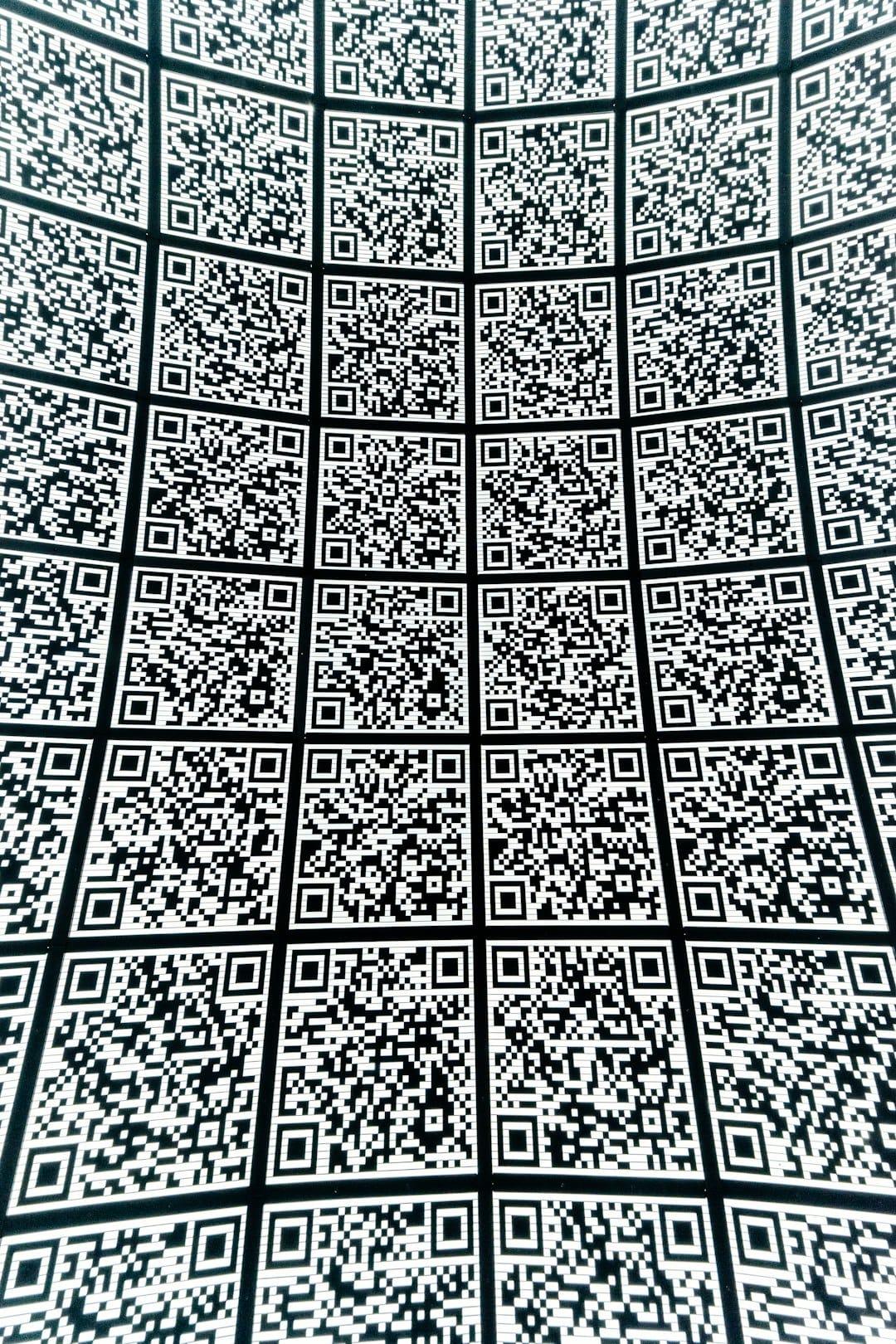
Understanding QR Codes: A Comprehensive Guide
QR codes have become an integral part of our digital world, offering a versatile and efficient method for sharing information. Whether you're a business owner looking to streamline your marketing strategies or simply curious about how these codes work, this guide will walk you through everything you need to know about QR codes.
What Are QR Codes?
QR codes, short for Quick Response codes, are two-dimensional barcodes that can store a wide range of data types. Unlike traditional barcodes, which hold information horizontally, QR codes store data both horizontally and vertically. This allows them to house much more information than their one-dimensional counterparts.
How Do QR Codes Work?
QR codes function by encoding information in a pattern of black squares and dots, which can be scanned by a camera-equipped device. When you scan a QR code, the device decodes the pattern and translates it into readable data, such as a URL, contact information, or text message.
Uses of QR Codes
QR codes are used across various industries for different purposes. Here are some common applications:
- Marketing and Advertising: Businesses use QR codes to direct customers to websites, promotional offers, or product details, enhancing customer engagement.
- Product Packaging: QR codes on packaging can provide consumers with detailed product information, ingredients, or user manuals.
- Event Management: They can serve as digital tickets, allowing for easy access and verification at events.
- Payments: Some payment platforms use QR codes to facilitate secure and swift transactions.
Creating Your Own QR Code
Generating a QR code is straightforward with online tools. To create a customized code, follow these simple steps:
- Choose a QR code generator tool that fits your needs.
- Enter the data you want to encode, such as a URL or contact information.
- Customize the design, if desired, by adjusting colors or adding a logo.
- Download the QR code in the preferred format and size for your application.
Best Practices for Using QR Codes
To ensure the effectiveness of your QR codes, keep the following tips in mind:
- Visibility: Place your QR codes in prominent locations where they can be easily seen and scanned by users.
- Size: Ensure the QR code is large enough to be scanned from a reasonable distance. Generally, a minimum size of 1x1 inch is recommended.
- Instructions: Provide clear instructions on how to scan the QR code if your audience might not be familiar with the process.
- Testing: Before wide distribution, test the QR code on multiple devices to ensure it works properly.
Potential Challenges
While QR codes are a powerful tool, they can encounter certain issues:
- Scanning Issues: Poor lighting or low-quality printing can hinder scanning capabilities.
- Security Concerns: As with any digital tool, QR codes can be manipulated for malicious purposes. Always ensure the source is trustworthy before scanning unfamiliar codes.
Future of QR Codes
As technology continues to advance, QR codes are expected to evolve as well. Innovations such as augmented reality and integration with smart devices may further enhance their functionality, making them even more prevalent in our daily lives.
Overall, QR codes offer a simple yet powerful way to connect the physical and digital worlds, providing convenience and efficiency. Whether you're a tech-savvy individual or a business owner looking to leverage this technology, understanding how to effectively use QR codes can open up new opportunities for engagement and interaction.