Understanding QR Codes: A Comprehensive Guide (Update)
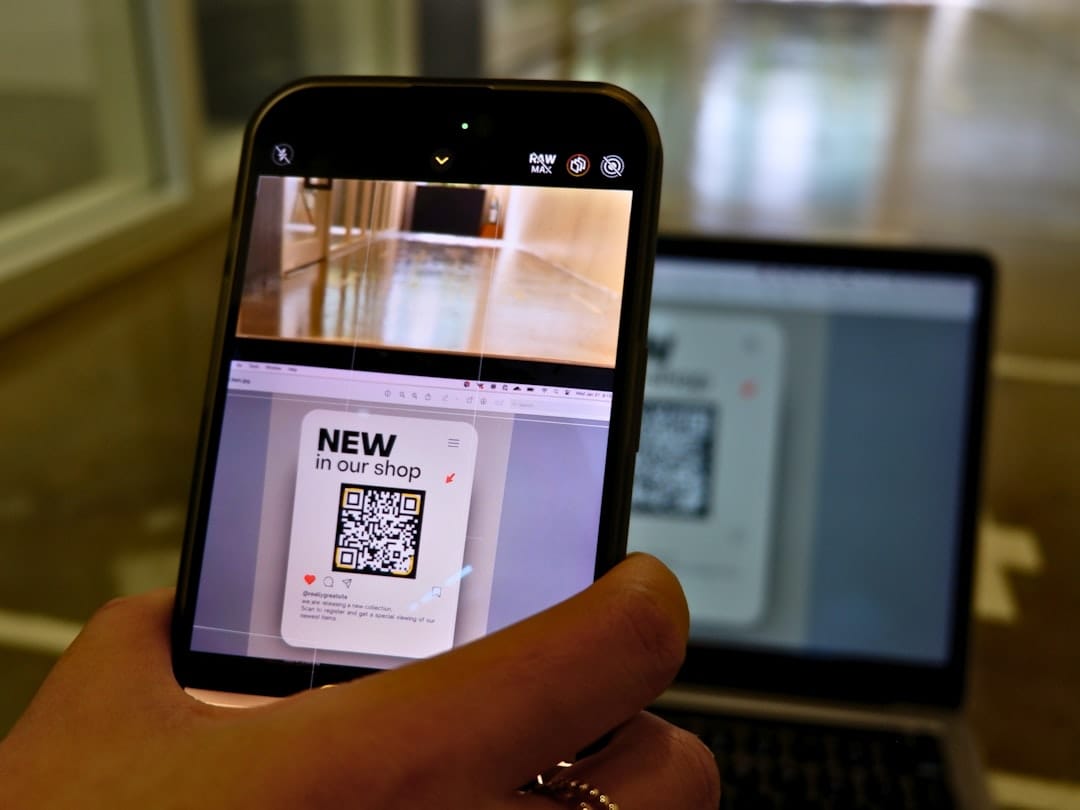
Understanding QR Codes: A Comprehensive Guide
QR codes have become an integral part of our everyday lives, offering a quick and efficient way to access information with just a simple scan. These versatile codes are used for various purposes, from marketing campaigns to event ticketing, and even personal uses. This guide will explore what QR codes are, how they work, and the benefits they offer.
What Are QR Codes?
QR codes, or Quick Response codes, are two-dimensional barcodes that store data in a machine-readable format. Unlike traditional barcodes that require a laser scanner, QR codes can be scanned using the camera on a smartphone or a tablet. This ease of use makes them highly accessible and popular across different industries.
How Do QR Codes Work?
A QR code consists of black squares arranged on a white grid. These patterns encode information that can be decoded by a QR scanner. When a device scans the code, it translates the pattern into a readable form, which could be a website URL, contact information, or a simple text message.
Steps to Use a QR Code
- Locate a QR Code: You will often find QR codes on posters, product packaging, websites, and more.
- Use a Compatible Device: Most modern smartphones have built-in QR scanners in their camera apps.
- Align Your Camera: Open your camera app and point it steadily at the QR code.
- Follow the Prompt: Once scanned, your device will prompt you to open the associated link or display the message contained in the code.
Benefits of Using QR Codes
The popularity of QR codes is largely due to the numerous benefits they offer:
- Ease of Access: Scanning a QR code requires minimal effort and is accessible to anyone with a smartphone.
- Versatility: They can store different types of information, making them suitable for a wide array of applications.
- Cost-Effective: Creating and deploying QR codes is inexpensive, especially when using a QR code generator.
- Space-Saving: QR codes can hold a large amount of information without taking up much physical space.
Applications of QR Codes
Marketing and Advertising
QR codes are a staple in marketing, allowing businesses to engage customers in innovative ways. By scanning a code, customers can quickly access promotions, product information, or even directly make purchases. This seamless experience enhances user engagement and drives sales.
Event Ticketing
In the world of events, QR codes streamline ticketing processes. Digital tickets embedded with QR codes are easy to distribute and verify, reducing the risk of counterfeit tickets and minimizing the need for physical ticket booths.
Contactless Transactions
QR codes are also making a mark in the financial sector. With the rise of contactless payments, many payment apps now allow users to complete transactions simply by scanning a QR code, offering a fast and secure payment method that eliminates the need for cash or cards.
Education and Information Sharing
Educational institutions have embraced QR codes for sharing resources efficiently. Teachers can provide students with quick access to online materials, videos, and assignments by incorporating QR codes into their lessons.
Creating Your Own QR Code
If you are considering using QR codes for personal or business purposes, generating them is straightforward. There are many online tools available for this task. For example, using a QR code generator, you can create customized QR codes by entering the desired information, whether it's a URL, contact details, or plain text. Once generated, the code can be downloaded and used in your marketing materials or shared digitally.
Conclusion
QR codes are a powerful tool that bridges the gap between the physical and digital worlds. Their simplicity and effectiveness make them indispensable in today's tech-savvy environment. Whether you're a business owner looking to enhance your marketing strategies or an individual seeking smarter ways to share information, QR codes offer a practical solution. Embrace this technology to stay connected and engage with your audience more interactively.