Understanding QR Code Technology: An Essential Guide
Understanding QR Code Technology: An Essential Guide
In today's digital world, QR codes have become an integral part of our daily lives. From marketing campaigns to everyday transactions, these square, pixelated codes are everywhere. Understanding how they work and their benefits can help businesses and individuals use them effectively.
What Are QR Codes?
QR codes, short for Quick Response codes, are a type of matrix barcode first designed in 1994 for the automotive industry in Japan. Unlike traditional barcodes, which store data in one dimension, QR codes hold information both horizontally and vertically, allowing them to store more data. This makes them suitable for a wide range of applications.
How Do QR Codes Work?
QR codes work by encoding information into a two-dimensional pattern. When scanned with a smartphone or a QR code reader, this pattern is decoded back into its original form, which could be a URL, text, or other data. The process is almost instantaneous, which is why these codes are named 'Quick Response'.
Benefits of Using QR Codes
QR codes offer numerous advantages, particularly for businesses looking to engage with customers and streamline operations. Here are some key benefits:
- Ease of Use: QR codes can be scanned quickly and easily with most smartphones, making them accessible to a wide audience.
- Cost-Effective: Creating and deploying QR codes is relatively inexpensive compared to other marketing tools.
- Versatility: QR codes can store various types of information, from URLs to contact details and more.
- Trackability: Businesses can track the number of scans and gather data on consumer behavior.
Common Applications of QR Codes
QR codes have found their way into numerous applications, enhancing both marketing strategies and everyday activities. Here are some common uses:
Marketing Campaigns
Marketers use QR codes to link physical marketing materials to digital content, such as websites or promotional videos. This helps bridge the gap between offline and online marketing efforts, providing a seamless user experience.
Retail and E-commerce
In retail, QR codes are often used to provide additional product information, discounts, and promotions. Customers can scan a code to quickly access details, reviews, and purchase options, facilitating informed buying decisions.
Contactless Payments
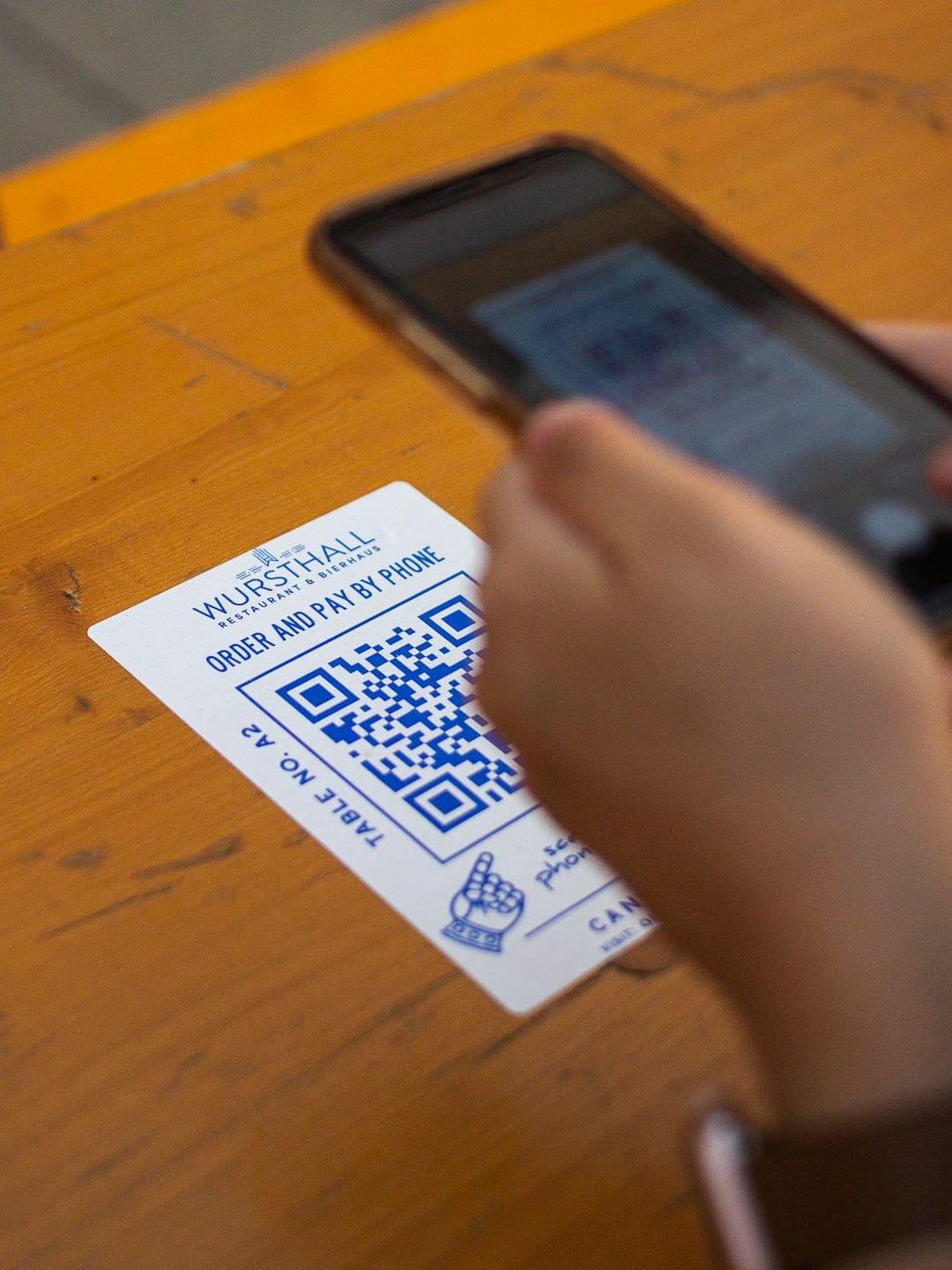
QR codes have revolutionized transactions by enabling contactless payments. Consumers can scan a code at the checkout to pay instantly, providing a faster and more secure alternative to traditional payment methods.
Creating QR Codes
With the rise in QR code usage, creating them has become easier than ever. There are numerous online tools available for generating QR codes tailored to specific needs. One such tool is the QR code generator, which offers customizable options for different data types.
Challenges and Considerations
While QR codes are widely beneficial, there are a few challenges to consider. Privacy and security are primary concerns, as QR codes can be used maliciously to redirect users to harmful websites. Users should always ensure they trust the source before scanning a QR code.
Additionally, businesses should focus on designing QR codes that are functional and fit well within the intended context. Ensuring that QR codes are accessible and easy to scan is crucial for their effectiveness.
The Future of QR Codes
As technology advances, the potential applications for QR codes continue to expand. Innovations in augmented reality and IoT (Internet of Things) might further enhance how QR codes are integrated into our daily lives. Whether through enhanced customer engagement or streamlined business operations, QR codes are likely to remain a significant tool in the digital landscape.
In conclusion, QR codes are a powerful tool that offers an efficient way to connect the physical and digital worlds. Understanding their functionality and potential applications can help individuals and organizations leverage this technology to its fullest potential.