Understanding QR Code Generators: A Practical Guide
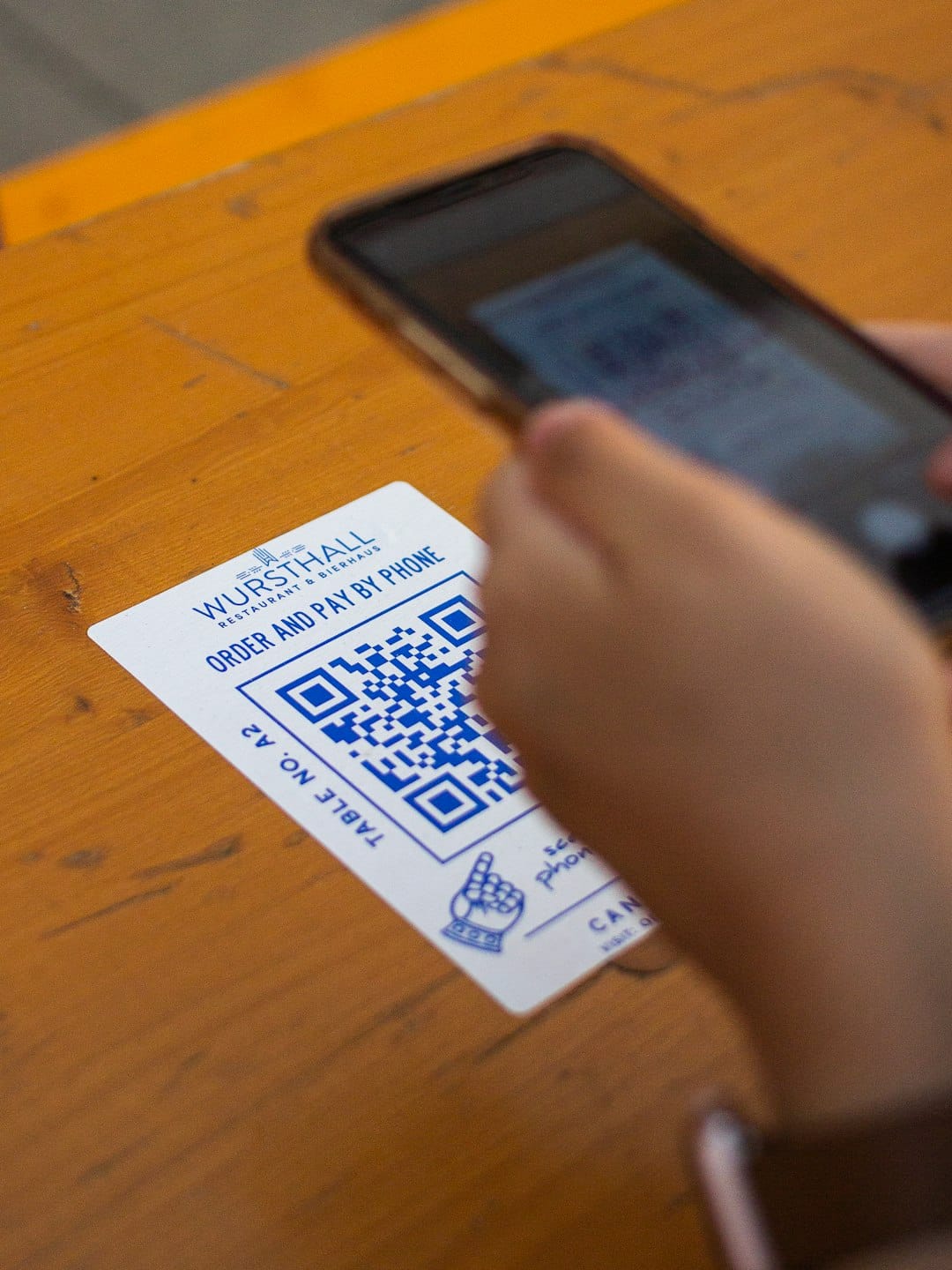
Understanding QR Code Generators: A Practical Guide
In today's digital landscape, QR codes have become an essential tool for businesses and individuals alike. These simple yet powerful symbols bridge the gap between the physical and digital worlds, providing a seamless way to share information, promote products, and engage with audiences. This guide explores the function and benefits of using a QR code generator, offering practical tips on how to effectively implement them in various scenarios.
What Are QR Codes?
QR codes, short for Quick Response codes, are two-dimensional barcodes that can be scanned using a smartphone or a dedicated QR code reader. They can store a variety of information, including URLs, text, contact details, and more. This versatility has made them increasingly popular for marketing campaigns, product packaging, and even personal use.
The Benefits of Using QR Codes
One of the primary advantages of QR codes is their ability to quickly convey information to users. By scanning a QR code, customers can access web pages, download apps, or view promotional content without manually typing a URL. This ease of use enhances the user experience and can increase engagement rates.
Moreover, QR codes are cost-effective. They can be generated and printed inexpensively, making them an accessible tool for businesses of all sizes. Additionally, they can be customized in design to align with a brand's visual identity, adding an element of personalization to marketing materials.
Implementing QR Codes in Marketing
Incorporating QR codes into marketing strategies can significantly boost customer interaction. Here are a few ways to utilize them effectively:
- Product Packaging: Include QR codes on product labels to direct customers to detailed product information, instructional videos, or user reviews.
- Advertising: Add QR codes to print advertisements or billboards to provide a direct link to special offers or contests.
- Event Promotion: Use QR codes on event flyers or tickets to streamline the registration process or share event schedules with attendees.
Creating QR Codes
Creating a QR code is a straightforward process. With the help of a reliable QR code generator, you can design codes tailored to your needs. Simply input the desired information, customize the design if needed, and generate the code for download or printing.
When selecting a QR code generator, consider its features and ease of use. Some generators offer advanced options, such as tracking capabilities and password protection, which can be beneficial for certain applications.
Best Practices for QR Code Usage
To maximize the effectiveness of QR codes, keep these best practices in mind:
- Ensure Scannability: Make sure QR codes are printed at an adequate size and in a location where they are easily accessible. Test them with different devices before distribution.
- Provide Clear Instructions: Include a brief description or call-to-action near the QR code to inform users of its purpose and encourage scanning. A simple message like "Scan to learn more" can be effective.
- Monitor Performance: Use analytics tools to track the usage of your QR codes. This data can provide insights into user behavior and the overall success of your campaign.
Future Prospects of QR Codes
As technology continues to evolve, the role of QR codes in various industries is likely to expand. Innovations in augmented reality and mobile technology may further integrate QR codes into everyday activities, offering even more interactive and immersive experiences for users.
In conclusion, QR codes represent a simple yet powerful tool for connecting with audiences in innovative ways. By understanding their benefits and implementing them effectively, businesses and individuals can enhance their communication strategies and stay ahead in the digital age.