Understanding and Avoiding QR Code Scams (Update)
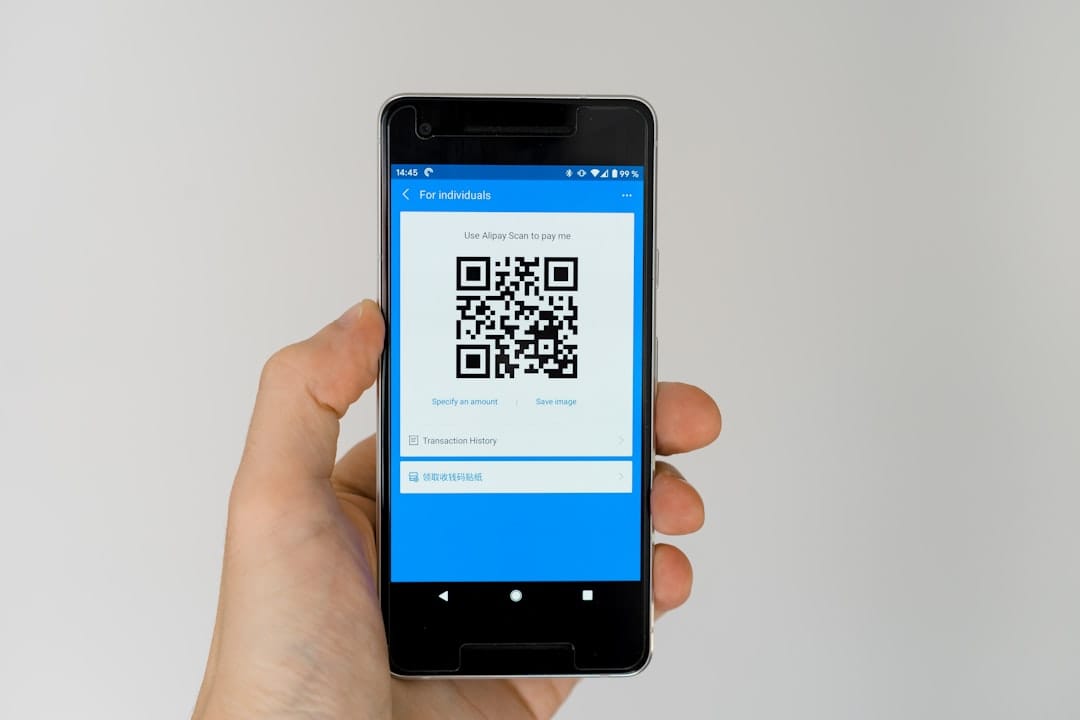
Understanding and Avoiding QR Code Scams
In an increasingly digital world, QR codes have become a staple for businesses and consumers alike, offering quick access to information or services. However, with their growing popularity, these convenient tools have also become a target for scams. Understanding how these scams operate is crucial for protecting your personal information and maintaining cybersecurity.
What Are QR Code Scams?
QR code scams exploit the trust and convenience associated with scanning these codes. While they are designed to provide quick access to web pages, contact details, or payment portals, malicious actors can manipulate them. By replacing legitimate codes with fraudulent ones, scammers redirect users to harmful websites that might steal personal information or install malware on their devices.
Common Tactics Used by Scammers
Untrustworthy Sources
Scammers often place counterfeit QR codes in public places, replace genuine codes, or circulate them through phishing emails and messages. These codes may seem legitimate at a glance but lead to malicious sites designed to harvest sensitive information.
Infected Websites
Some fraudulent QR codes direct users to websites that appear harmless but are infected with malware. These sites can download viruses onto devices without the user’s knowledge, compromising their security and privacy.
Fake Payment Portals
Another common scam involves fake payment portals. Users scanning these QR codes might be taken to a replica of a legitimate payment page, where they unwittingly enter their payment details, which are then stolen by scammers.
How to Protect Yourself
Being aware of the potential risks associated with QR codes is the first step in protecting yourself. Here are some practical tips to safeguard against these scams:
Verify the Source
Only scan QR codes from trusted sources. If a code seems out of place or appears on an unofficial document, it's best to avoid scanning it. Additionally, when in doubt, double-check with the business or individual who supposedly issued the code.
Use a Secure QR Code Scanner
Opt for a scanner app that offers security features, such as previews of the website URL before you visit. This can help identify suspicious links before you click.
Be Cautious with Payments
When using QR codes for payments, ensure you are familiar with the payment platform. If something seems off or you’re redirected to an unfamiliar site, do not proceed with the transaction.
Regularly Update Software
Keep your device’s operating system and security software up to date. This will protect against malware that may be introduced through malicious QR codes.
Conclusion
QR codes are a powerful tool for simplifying digital interactions, but they come with risks that require vigilance. By staying informed and taking proactive measures, individuals can enjoy the benefits of QR technology without falling victim to scams. Always verify the source of a QR code generator before scanning, use secure scanning apps, and maintain updated security measures on your devices. With these precautions, you can navigate the digital landscape safely and securely.