Transforming Supply Chains with QR Codes: The Future of Logistics
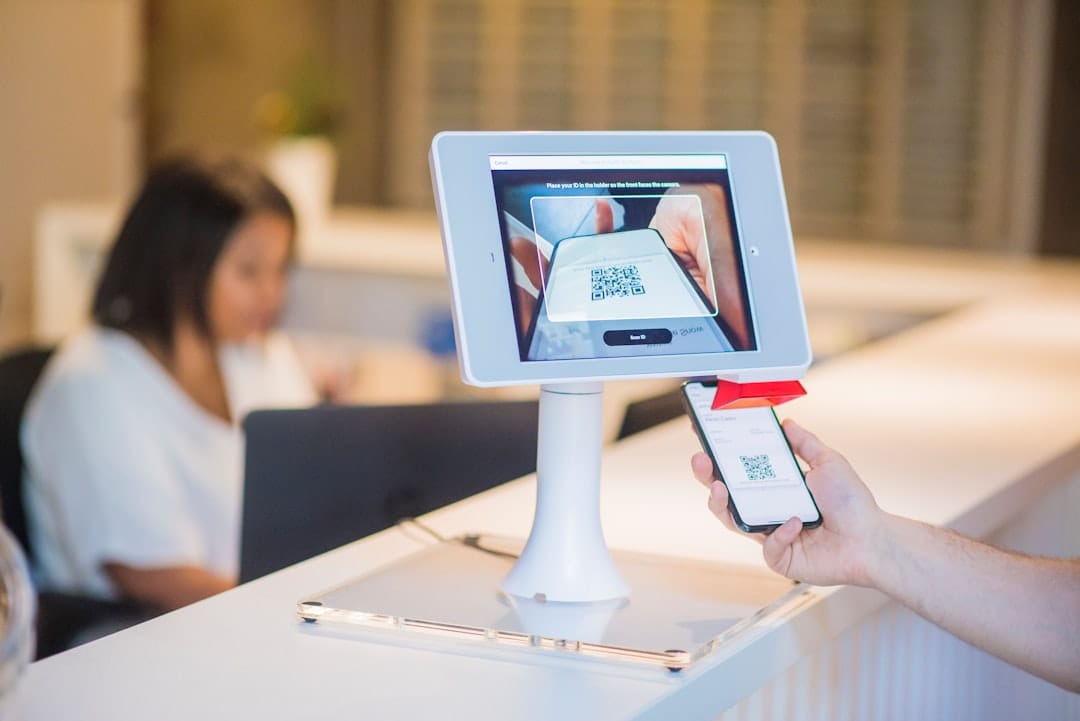
Transforming Supply Chains with QR Codes: The Future of Logistics
The landscape of supply chains is on the brink of a revolutionary change. With a mandate requiring that by 2027 all consumer-facing products must display a 2D barcode, such as a QR code generator, the traditional UPC is set to be replaced. Major retailers like Walmart are likely to lead this transition, ensuring non-compliant items might find themselves off the shelves.
The Rise of QR Codes in Supply Chains
QR codes are not just a simple swap for traditional barcodes; they represent a significant advancement in real-time data management, flexible routing, and dynamic communication throughout the product lifecycle. This upgrade allows supply chain teams to access capabilities that were previously impossible with legacy barcode systems.
Current Applications of QR Codes
Some companies are already embracing QR codes to enhance supply chain visibility, reduce waste, and improve accuracy. Unlike their one-dimensional predecessors, QR codes can store changing information that can be updated at various points along the supply chain. With a straightforward scan, users can access information ranging from lot-level data to regional sustainability guidelines.
This dynamic feature ensures each code links to a web-based record accessible in real time. Thus, a seemingly simple label transforms into a live connection between physical products and backend systems.
Enhanced Traceability and Faster Response
Incorporating traceability data directly into product labels, QR codes allow quick access to batch numbers, expiration dates, and regulatory details. This uniform access to up-to-date information simplifies operations for warehouse workers, drivers, retail teams, and even consumers, without the need to interface with complex internal systems.
Such instant traceability significantly reduces friction in industries requiring stringent tracking, like food, pharmaceuticals, and cosmetics. In the event of a recall or quality issue, responses become quicker and more precise, allowing teams to pinpoint affected units and their locations efficiently.
Streamlined Returns and Logistics
Returns have long been a logistical pain point in retail. QR codes are streamlining the process by providing dynamic return instructions post-sale. They guide the customer through the return steps specific to their location and provide the latest instructions and nearby drop-off options.
The integration of return data with the product offers instant insights into return volumes, reasons, and conditions. This visibility enhances triage, minimizes errors, and improves planning across reverse logistics networks.
Flexible Packaging Compliance
As environmental and packaging regulations become more complex, QR codes offer a solution for providing digital and contextual information. Instead of printing multiple versions of packaging for different regions or languages, a single QR code can deliver location-specific information. For instance, a French consumer sees recycling instructions in French, while an American might receive local disposal guidance.
This approach is being tested by major brands, reducing packaging complexity and helping them stay ahead of regulatory changes without impacting time-to-market.
Real-Time Routing and Inventory Updates
Static labels have traditionally created bottlenecks during transit. Dynamic QR codes, however, allow embedded data to be updated even in transit. As routes change or orders are adjusted, the QR code ensures that the label remains the same while the data evolves to reflect new information.
This capability reduces the need for relabeling, cuts down on avoidable delays, and ensures last-mile workers have access to the most current information.
Preparing for QR Code Implementation
Implementing QR codes isn't without its challenges. Label placement and design must evolve to ensure proper scanning across various devices and environments. More importantly, the backend data needs to be standardized, centralized, and structured to support dynamic links, requiring coordination across multiple teams.
Retailer support is improving, though many will continue to utilize both 1D and 2D formats during the transition. Starting now with the dual systems allows brands time for learning, testing, and alignment.
Steps for Logistics Teams
Begin by identifying high-value use cases where traceability, returns, or packaging complexity present challenges. Develop a QR-enabled label that connects to accurate, structured data using GS1 Digital Link for technical guidance and retail compatibility.
Test the QR code in real-world scenarios with different teams involved in the process. Gather insights and refine the implementation before expanding further. Coordinate with retailers to understand their scanning timelines and update print specifications and system integrations accordingly.
As the 2027 deadline looms, early adopters stand to gain a competitive edge. Viewing QR codes not just as a compliance need but as an infrastructure upgrade is key to staying ahead.