The Risks of Scanning Unverified QR Codes
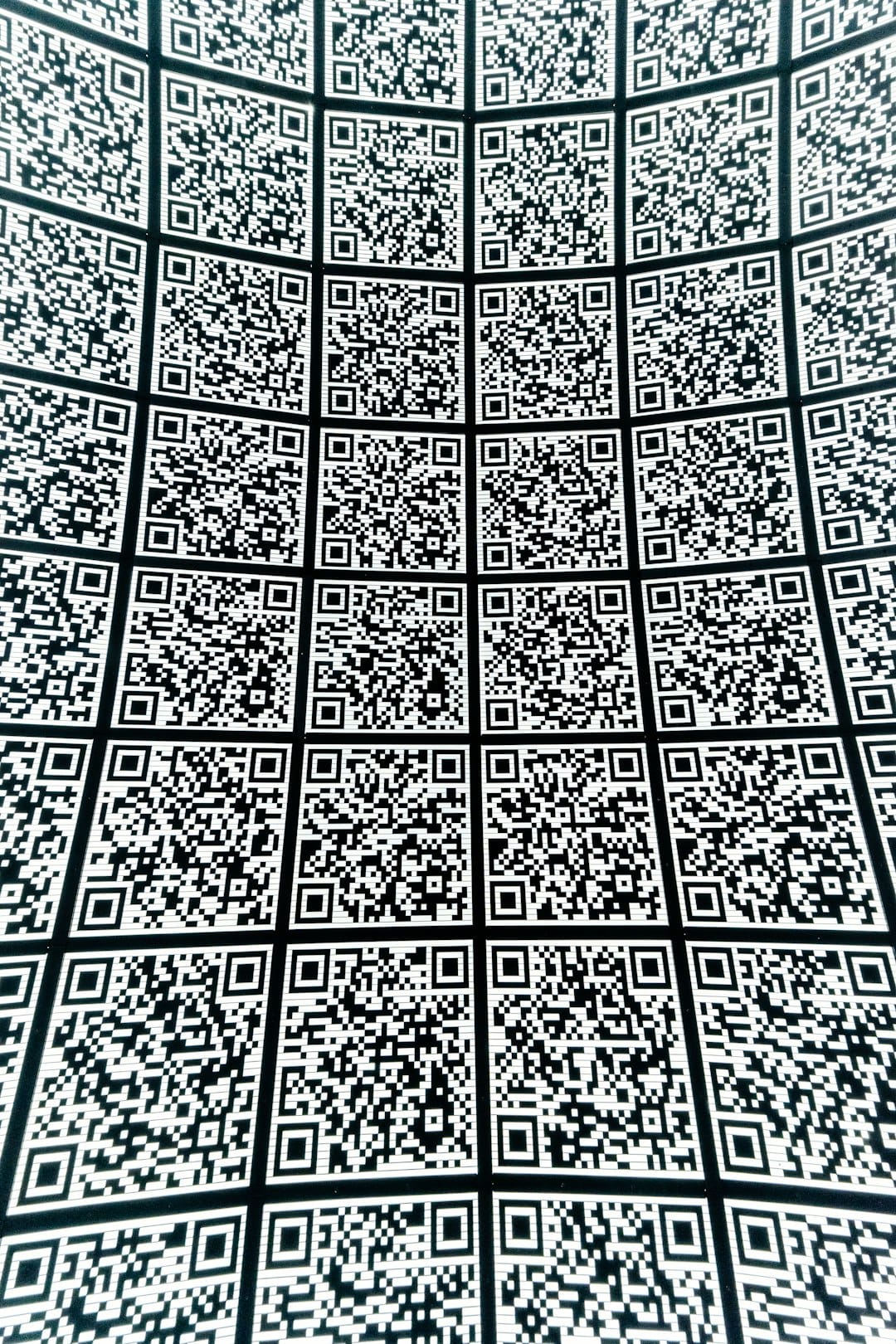
The Risks of Scanning Unverified QR Codes
A recent cybersecurity experiment conducted by the Sharjah Police highlighted a growing concern in digital security: the ease with which people can be misled by QR codes. This study revealed that many individuals scanned a QR code offering "Free WiFi" without questioning its legitimacy. This behavior underscores a significant vulnerability in user awareness and cybersecurity practices.
Understanding the Experiment
The Sharjah Police set up an unbranded QR code in a public space with a tempting promise of free WiFi. The purpose was to observe how many individuals would engage with the QR code without validating its source. Shockingly, 89 people scanned the code without verifying who placed it or whether it was safe. This experiment underscores a critical cybersecurity issue—users' tendency to act impulsively when presented with enticing offers.
The Hidden Dangers of QR Codes
The ease of scanning QR codes makes them a convenient tool for cybercriminals. A single scan can redirect users to fraudulent websites, download malicious software, or compromise personal accounts. Given the widespread use of QR codes in restaurants, retail, and advertising, attackers exploit this familiarity to deceive users. As a result, the real issue lies not with the technology itself but with user behavior.
User Vigilance is Key
Cybersecurity experts emphasize the importance of user vigilance. Before scanning a QR code, one should always ask, "Do I trust the source?" If there is any doubt, it's safer not to proceed. Awareness is the first line of defense against cyber threats. With QR codes becoming integral to payment systems and daily transactions, verifying the legitimacy of a code can prevent potential digital harm.
To combat this growing threat, Sharjah Police plan to continue public awareness campaigns aimed at educating the public about cybersecurity risks and promoting safer online habits throughout the emirate.
A Global Perspective on QR Code Scams
While the Sharjah experiment focused on local behavior, similar concerns are emerging globally. Recently, an ongoing phishing campaign known as "Scanception" was uncovered, highlighting the international scope of this threat. This campaign uses QR codes embedded in emails and PDF attachments to lead users to credential-harvesting sites.
This tactic shifts the threat to personal mobile devices, often bypassing corporate security measures. In just three months, over 600 unique phishing PDFs and emails were identified, many of which went undetected by security platforms. These documents often mimic legitimate company workflows to trick users into scanning malicious QR codes.
Targeted Industries and Evasive Techniques
The "Scanception" campaign has targeted more than 50 countries, with significant activity in sectors like Technology, Healthcare, Manufacturing, and Financial Services. Attackers employ sophisticated techniques, such as masking URLs using trusted platforms, to evade detection. This makes it crucial for individuals and organizations to remain vigilant and proactive in their cybersecurity measures.
Enhancing Security Awareness
The lessons from both the Sharjah Police experiment and the global "Scanception" campaign point to the same conclusion: human behavior is often the weakest link in cybersecurity. Attackers exploit trust and routine behaviors to breach security controls, whether through seemingly harmless offers of free WiFi or more elaborate phishing campaigns.
To counter these threats, experts recommend that both individuals and organizations focus on enhancing security awareness. It's essential to verify the sources of QR codes, strengthen security programs, and utilize tools capable of analyzing QR codes and detecting new attack patterns. Leveraging technologies like AI for real-time threat intelligence and autonomous analysis can also bolster defenses against such attacks.
In conclusion, while QR codes offer convenience, they also present potential risks if not handled cautiously. By fostering a culture of skepticism and verification, users can significantly reduce the chances of falling victim to cyber threats. For those interested in exploring secure QR code options, a reliable QR code generator can provide valuable solutions.