The Rise of QR Codes: Unlocking Endless Possibilities
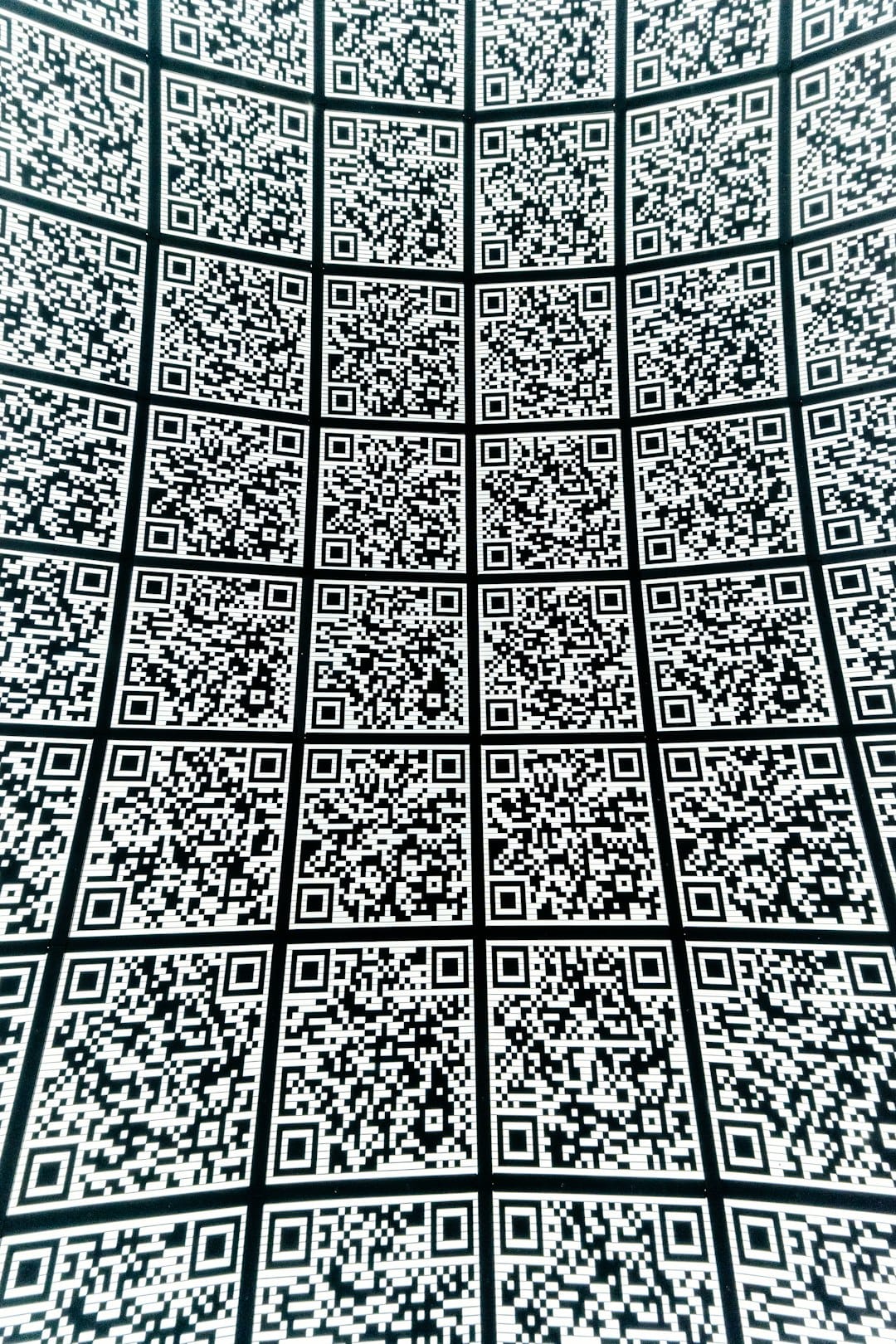
The Rise of QR Codes: Unlocking Endless Possibilities
QR codes have become an integral part of our daily lives, appearing on everything from restaurant menus to product labels. These small squares hold a wealth of information and provide a seamless way to connect the physical and digital worlds. But how did these codes, which once seemed like a tech novelty, become essential tools in the modern landscape?
Understanding QR Codes
QR codes, short for Quick Response codes, are two-dimensional barcodes that can store a variety of information. Unlike traditional barcodes that are read horizontally, QR codes are scanned both vertically and horizontally, which allows them to hold significantly more data. This capability is what makes them so versatile and valuable.
How QR Codes Work
QR codes function by encoding data that can be easily read by a scanner, typically a smartphone camera. When scanned, the QR code can perform various actions, depending on the encoded data. This could include opening a website, downloading an app, or displaying text.
The Journey of QR Codes
Originally developed in Japan for tracking automotive parts, QR codes have transcended their initial purpose. Their ability to store a large amount of information in a small space made them appealing for broader applications. Over time, as smartphone technology advanced, the accessibility of QR code scanners in devices contributed to their widespread adoption.
Adoption Across Industries
QR codes have found their way into numerous sectors:
- Retail: Used for promotions, product details, and payment processing.
- Healthcare: Allow quick access to patient information and appointment scheduling.
- Education: Facilitate easy access to study materials and virtual classrooms.
- Marketing: Enable interactive campaigns that engage customers through contests and exclusive content.
QR Codes in Everyday Life
Today, the use of QR codes is more prevalent than ever. With the global shift toward contactless solutions accelerated by the pandemic, QR codes have become a critical tool. Restaurants, for example, have embraced QR codes to offer digital menus, reducing the need for physical ones. This not only enhances customer safety but also streamlines the dining experience.
How to Create a QR Code
Creating a QR code is a simple process thanks to online tools. By using a QR code generator, you can input the desired information, such as a URL or text, and receive a downloadable image of the QR code. This image can then be printed or shared digitally.
Future of QR Codes
As technology continues to evolve, so too will the functionality and applications of QR codes. With advancements in augmented reality and the Internet of Things, QR codes are poised to expand their role as connectors between the digital and physical realms.
Challenges and Considerations
Despite their advantages, QR codes are not without challenges. Security concerns remain a potential issue, as malicious QR codes can direct users to harmful websites or phishing attempts. It's essential to educate users about the importance of verifying the legitimacy of QR codes before scanning.
Conclusion
QR codes have undeniably transformed how we interact with information. Their ability to provide instant access to digital content has revolutionized various industries and enhanced user experiences. As they continue to innovate and integrate into new technologies, QR codes will likely remain a staple in the digital landscape, offering endless possibilities for connectivity and engagement.