The Rise of QR Codes in Everyday Life
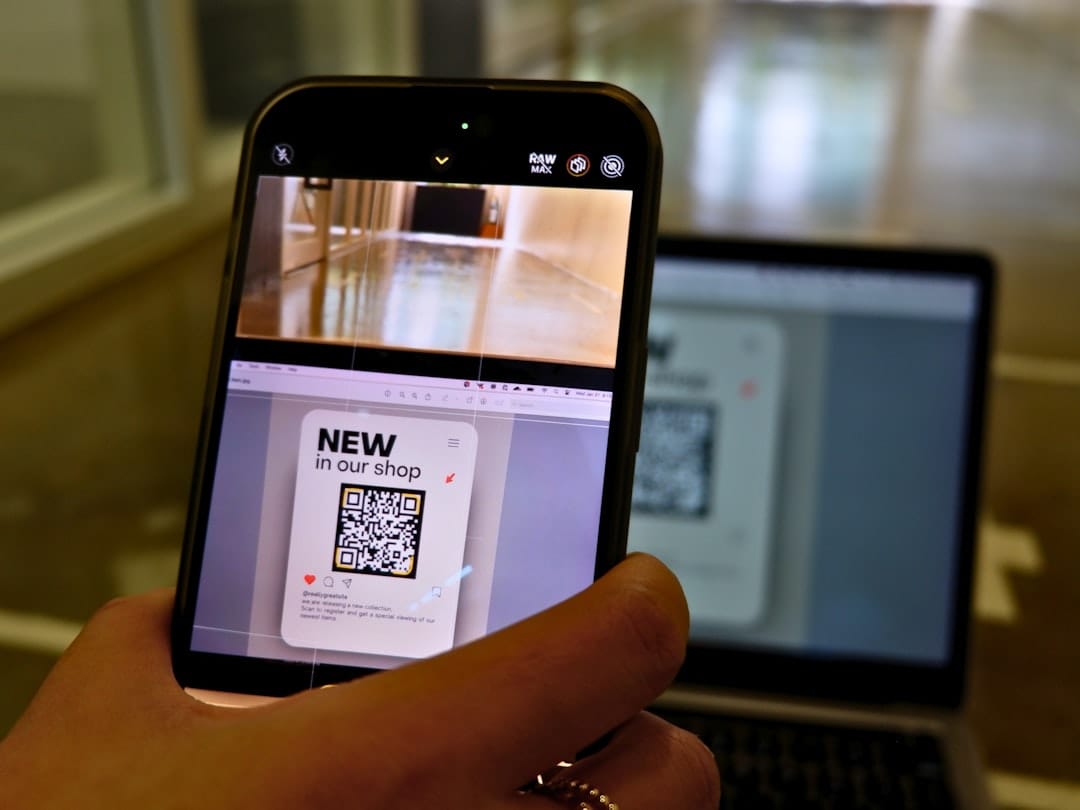
The Rise of QR Codes in Everyday Life
In today's fast-paced digital world, QR codes have become an integral part of how we interact with various services and information. From restaurant menus to product packaging, these two-dimensional barcodes bridge the gap between the physical and digital realms. But why have QR codes become so popular, and how can they be effectively used?
The History and Evolution of QR Codes
QR codes, short for Quick Response codes, were first developed in 1994 by a Japanese company as a way to track vehicles during manufacturing. Since then, their functionality has expanded far beyond industrial applications. The advent of smartphones capable of reading these codes has propelled them into mainstream use.
How QR Codes Work
QR codes store information in a matrix format, which can be scanned using a smartphone camera or dedicated QR code reader. Once scanned, the device interprets the data encoded within the code, which can be anything from a simple text message to a URL directing the user to a website.
Common Uses of QR Codes
- Marketing and Advertising: QR codes are widely used in marketing campaigns to provide potential customers with easy access to websites, product details, and special offers.
- Contactless Payments: Many payment systems incorporate QR codes to facilitate swift and secure transactions without physical contact.
- Event Management: From ticketing to registration, QR codes streamline processes and enhance attendee experiences at events.
- Healthcare: QR codes are used for accessing patient information and managing medical records efficiently.
Creating Your Own QR Codes
For businesses and individuals looking to generate their own QR codes, various tools are available online. A QR code generator can help create customized codes that link to specific content. These generators offer options to include logos, change colors, and even track scans for analytics.
Advantages of Using QR Codes
The rise of QR codes can be attributed to several key benefits:
- Convenience: QR codes offer a quick and easy way for users to access information without typing URLs or searching manually.
- Versatility: They can store a wide range of data types, including URLs, contact details, and even Wi-Fi credentials.
- Cost-Effective: Producing QR codes is inexpensive, making them accessible for businesses of all sizes.
- Engagement: By linking to multimedia content, businesses can create more engaging and interactive experiences for their audience.
Considerations and Best Practices
While QR codes offer numerous benefits, it is vital to implement them thoughtfully. Ensure that the destination linked to the QR code is mobile-friendly, as most users will scan codes with their smartphones. Additionally, provide clear instructions or hints to guide users on what to expect after scanning.
Avoiding Pitfalls
Despite their advantages, QR codes can pose security risks if misused. Scanning unknown codes could lead to malicious websites or phishing attacks. Educate your audience on the importance of verifying the source before scanning, and always use trusted QR code generators.
The Future of QR Codes
As technology continues to evolve, the applications for QR codes are likely to expand even further. Innovations such as augmented reality could integrate with QR technology, offering users richer and more immersive experiences. Moreover, as internet access becomes more ubiquitous, QR codes will remain an essential tool in bridging offline and online interactions.
In conclusion, QR codes have cemented their place in the digital landscape, offering a plethora of possibilities for businesses and consumers alike. By understanding their uses and ensuring best practices, you can harness the power of QR codes to enhance communication and engage effectively with your audience.