The Rise of QR Codes and Their Impact on Modern Transactions
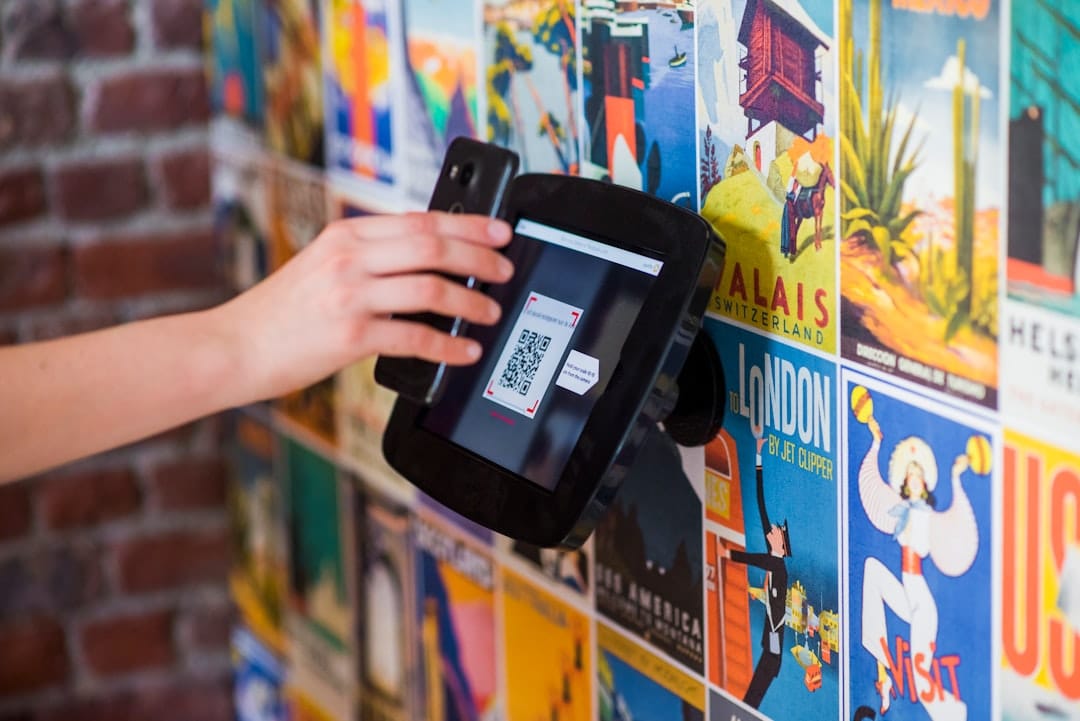
The Rise of QR Codes and Their Impact on Modern Transactions
In recent years, the use of QR codes has surged, especially with their integration into various aspects of daily transactions. From making payments to accessing detailed product information, these quick response codes have become a staple in digital communication. Their ease of use and ability to store a significant amount of information have made them a popular choice among businesses and consumers alike.
Understanding QR Codes
QR codes, short for Quick Response codes, are two-dimensional barcodes that can be scanned using smartphones and other devices equipped with a camera and scanning application. They were first developed in Japan for the automotive industry but have since found diverse applications across the globe.
How QR Codes Work
QR codes consist of black squares arranged on a white grid. When scanned, they can store URLs, text, contact information, and more. This versatility makes them ideal for various applications, from marketing campaigns to secure transactions.
The Role of QR Codes in Modern Transactions
One of the most notable uses of QR codes today is in digital transactions. They have been integrated into mobile payment systems, allowing consumers to complete purchases quickly and securely. This is particularly beneficial for businesses looking to streamline the checkout process and reduce the need for physical cash handling.
Enhancing Consumer Experience
QR codes enhance the consumer experience by providing instant access to information. They eliminate the need for typing in URLs or searching for information manually, making transactions more convenient and efficient. This is especially valuable in retail environments and during events where speed and efficiency are crucial.
Security Considerations
While QR codes offer numerous benefits, they also present certain security challenges. The ease of creating and distributing these codes means they can be easily manipulated by malicious actors. Consumers must be cautious when scanning codes from unknown sources, as they could potentially lead to phishing websites or download harmful software.
To mitigate these risks, businesses and individuals should utilize a QR code generator from a trusted provider, ensuring the integrity of the information contained within the code.
Practical Applications of QR Codes
QR codes are used widely across different sectors. In the healthcare industry, they are used to provide quick access to medical records. In education, they offer a seamless way to share resources and assignments. Additionally, restaurants have adopted QR codes to display menus, reducing physical contact and promoting hygiene.
Marketing and Engagement
Brands are leveraging QR codes for interactive marketing campaigns. By scanning a code, customers can access exclusive content, participate in promotions, or provide instant feedback. This direct engagement fosters brand loyalty and enhances customer interaction.
Future of QR Codes
The future looks promising for QR codes, with continued growth anticipated in various sectors. As technology advances, we might see even more innovative applications. For instance, the incorporation of augmented reality with QR codes could offer immersive experiences for consumers.
Conclusion
QR codes have undeniably transformed the way we interact with information and conduct transactions. Their simplicity, combined with their ability to convey a vast array of data quickly, makes them a powerful tool in today's fast-paced digital world. As their use continues to evolve, QR codes are set to remain an integral component of digital communication strategies.