The Rise and Influence of QR Codes in Modern Marketing (Update)
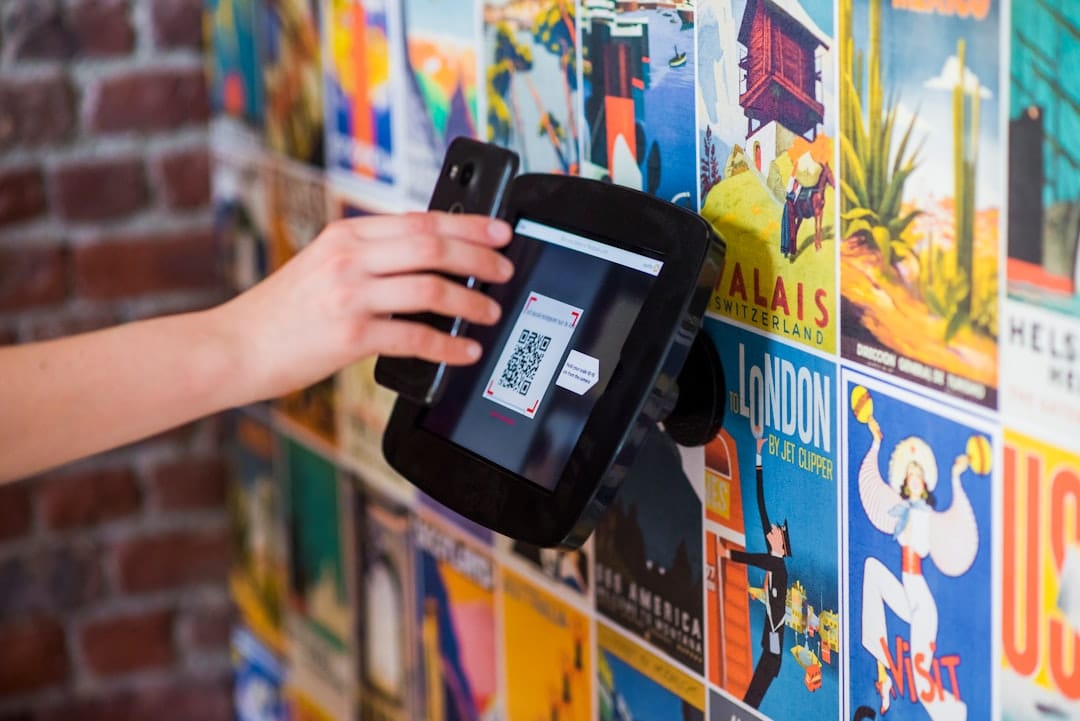
The Rise and Influence of QR Codes in Modern Marketing
In today's fast-paced digital world, quick access to information is more crucial than ever. QR codes, those small square patterns that can be scanned with a smartphone, have become a vital tool for connecting offline interactions with online content. Their simplicity and efficiency have made them a cornerstone of modern marketing strategies.
What Are QR Codes?
QR codes, short for Quick Response codes, are two-dimensional barcodes that can store a significant amount of data. When scanned with a smartphone or a dedicated QR code scanner, they can quickly redirect users to websites, download apps, or display text and contact information. Originating in Japan, these codes have grown in popularity worldwide due to their versatility and ease of use.
The Versatility of QR Codes
What sets QR codes apart is their ability to link the physical world with digital experiences seamlessly. Businesses across various industries have harnessed this technology to enhance customer engagement and streamline processes.
Marketing and Advertising
QR codes have become a staple in marketing campaigns. They are used to direct customers to special promotions, product information, or even discount coupons. By placing a QR code on a product label, billboard, or flyer, businesses can guide potential customers to a tailored online experience, enhancing brand engagement.
Retail and E-commerce
Retailers use QR codes to enrich the shopping experience. By scanning a code, customers can access detailed product information, reviews, and even make purchases directly from their smartphones. This integration of online and offline shopping experiences offers both convenience and immediacy, which are highly valued by today's consumers.
Education and Events
Educational institutions and event organizers have also adopted QR codes to streamline information dissemination. At conferences or seminars, attendees can scan a code to download schedules, speaker bios, or presentation materials. In educational settings, QR codes can link to additional reading materials or interactive content, fostering a more engaging learning environment.
How to Create a QR Code
Creating a QR code is straightforward, thanks to the availability of numerous online QR code generator tools. These platforms allow businesses and individuals to create customized QR codes for various purposes. The process typically involves entering the desired data—such as a URL, text, or contact information—into the generator, which then produces a unique QR code ready for use.
Customization and Branding
Advanced QR code generators offer customization options, allowing users to incorporate brand colors, logos, and unique designs into their QR codes. This personalization helps maintain brand consistency and can make the codes more visually appealing, encouraging more scans.
Best Practices for Using QR Codes
While QR codes are a powerful tool, their effectiveness depends on thoughtful implementation. Here are some best practices to ensure your QR code strategy is successful:
- Ensure Accessibility: QR codes should be easily accessible and scannable. Avoid placing them in areas with poor lighting or on surfaces with glare.
- Provide Clear Instructions: Not everyone is familiar with how to scan QR codes. Consider including a brief guide, such as "Scan this code with your smartphone camera to learn more."
- Test for Functionality: Always test your QR codes before public distribution to ensure they work correctly and lead to the intended destination.
- Track Performance: Monitoring how often your QR codes are scanned can provide valuable insights into customer engagement and the effectiveness of your campaigns.
The Future of QR Codes
As technology continues to evolve, so too will the applications of QR codes. With the advent of augmented reality and the Internet of Things (IoT), QR codes may soon offer even more interactive and immersive experiences. Their ability to adapt and integrate with new technologies ensures that they will remain a vital tool in the digital marketing toolkit.
Businesses and individuals who adopt and innovate with QR codes today are setting the stage for a more connected and efficient future. Whether enhancing customer experiences or streamlining operations, the possibilities with QR codes are boundless.
In conclusion, QR codes have proven to be more than just a passing trend. Their practical applications and ease of use continue to make them an invaluable asset in numerous fields. As we move forward, their role in bridging the gap between physical and digital will only grow in significance.