The QR Code Debate: Hospitality Workers Strike for Social Interaction
The QR Code Debate: Hospitality Workers Strike for Social Interaction
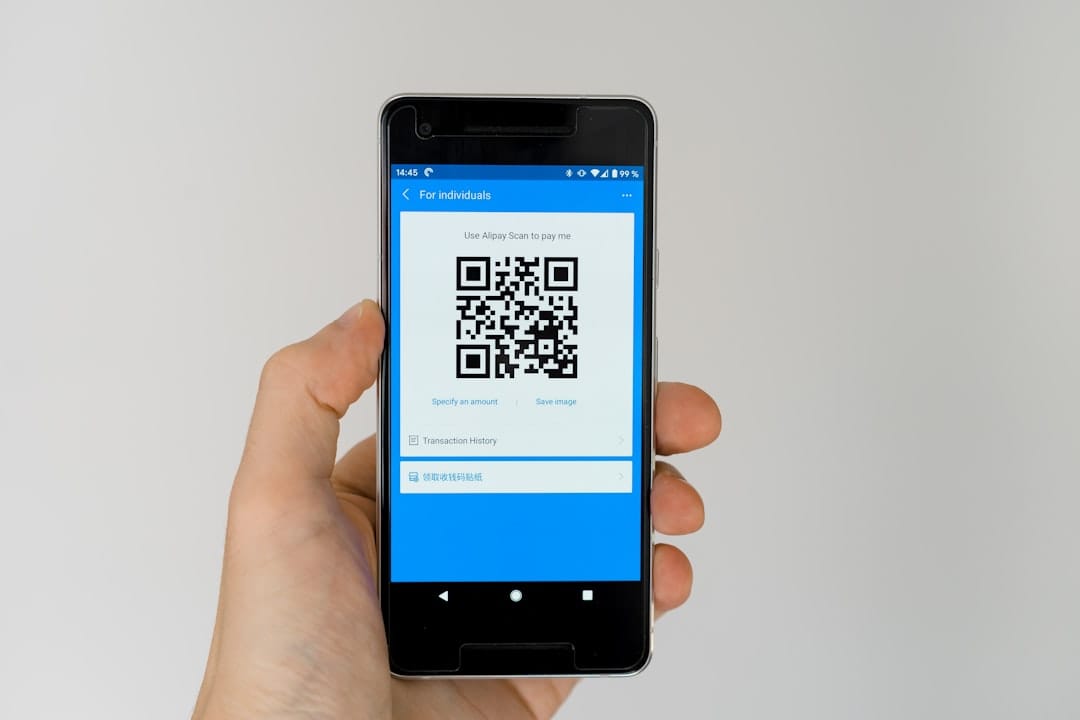
In recent years, the introduction of digital technology in the hospitality industry, particularly QR codes, has transformed the way customers interact with services. However, not everyone is welcoming this change. At the heart of the debate is the board game bar Draughts in Waterloo, where staff members are taking a stand against the use of QR codes by initiating strikes every Saturday this month. Their demand? More social interaction with patrons.
The Rise of QR Codes in Hospitality
Originally seen as an innovative solution, QR codes gained momentum for their convenience, allowing customers to order and pay with minimal contact. This technology was particularly embraced during the pandemic when touchless interactions became a priority. Yet, as we move forward, the impact on customer service and staff interaction is becoming a significant concern.
The Crux of the Matter
The main issue, as workers from Draughts express, is the erosion of personal connection. Staff argue that their role is more than just serving drinks; it's about engaging with guests, recommending board games, and sharing a passion for hospitality. The use of QR codes limits these interactions, reducing them to mere transactions of bringing food and clearing tables.
Brune Levi-Hamza, a dedicated employee at Draughts, highlights this concern by emphasizing the lost opportunity to connect with customers and offer personalized service. The introduction of QR codes, she argues, has made her feel disconnected from the guests she serves.
Financial Implications
Beyond social interaction, there are financial implications to consider. The reliance on QR codes has led to a decrease in tipping. Customers often pay before receiving any service, which can result in the removal of service charges. This affects the take-home pay of workers who rely heavily on tips to supplement their income.
Moreover, the shift towards digital ordering has led to a reduction in work hours, further impacting earnings. Employees at Draughts feel their concerns were dismissed when they initially raised these issues, leading to the current strike action.
A Wider Movement
This protest is not an isolated incident but part of a larger movement within the hospitality sector. Workers are becoming increasingly vocal about the challenges posed by technological advancements that prioritize efficiency over employee welfare. The situation at Draughts mirrors a growing sentiment among hospitality workers who demand fair wages and job security amidst rapid digital transformation.
Petros Elia, the General Secretary of UVW Union, supports this stance, stating that hospitality workers are taking a stand against zero-hours contracts, unsafe working conditions, and pay reductions facilitated by digital platforms.
Changing Customer Perceptions
Interestingly, the issue isn't just confined to workers. Customers, too, are beginning to scrutinize the use of QR codes and digital payments. Initially praised for their convenience, these technologies are now being seen as tedious and a potential avenue for hidden charges. This shifting perception highlights a disconnect between the initial promise of digital convenience and the current reality experienced by patrons and staff alike.
Exploring Alternatives
Not all establishments are fully embracing digital payments. For instance, Skehan’s pub in Nunhead, recognized as London’s best pub in 2023, insists that orders under £10 must be paid in cash, despite the trend towards cashless transactions.
On the flip side, some venues are continuing with minimal customer interaction. At The Coronation pub, a 20% surcharge is applied to orders placed at the bar, encouraging patrons to use digital methods.
The Quest for Balance
The situation at Draughts underscores the need for a balance between technological advancement and human interaction in hospitality. Workers at Draughts are not just seeking better working conditions but also recognition as passionate professionals who contribute to customer enjoyment and satisfaction.
Ultimately, the debate over QR codes and digital payments in hospitality is more than just a question of efficiency. It involves considerations of employee well-being, customer satisfaction, and the essence of social interaction in service industries. As businesses navigate this landscape, the voices of workers like those at Draughts serve as a reminder of the value of human connection in hospitality.
The Role of Technology: Friend or Foe?
As the industry continues to evolve, the challenge lies in integrating technology in a way that complements personal service rather than replacing it. Perhaps the solution lies in finding a middle ground where technology aids efficiency without compromising the essence of hospitality.
For those interested in exploring how digital tools can be implemented effectively, tools like a QR code generator can be part of the solution when used thoughtfully.
As the strike at Draughts continues, the conversation about the role of technology in hospitality is far from over. Striking the right balance might just be the next big step for the industry.