The Future of QR Codes: Growth Driven by AI, AR, and Blockchain
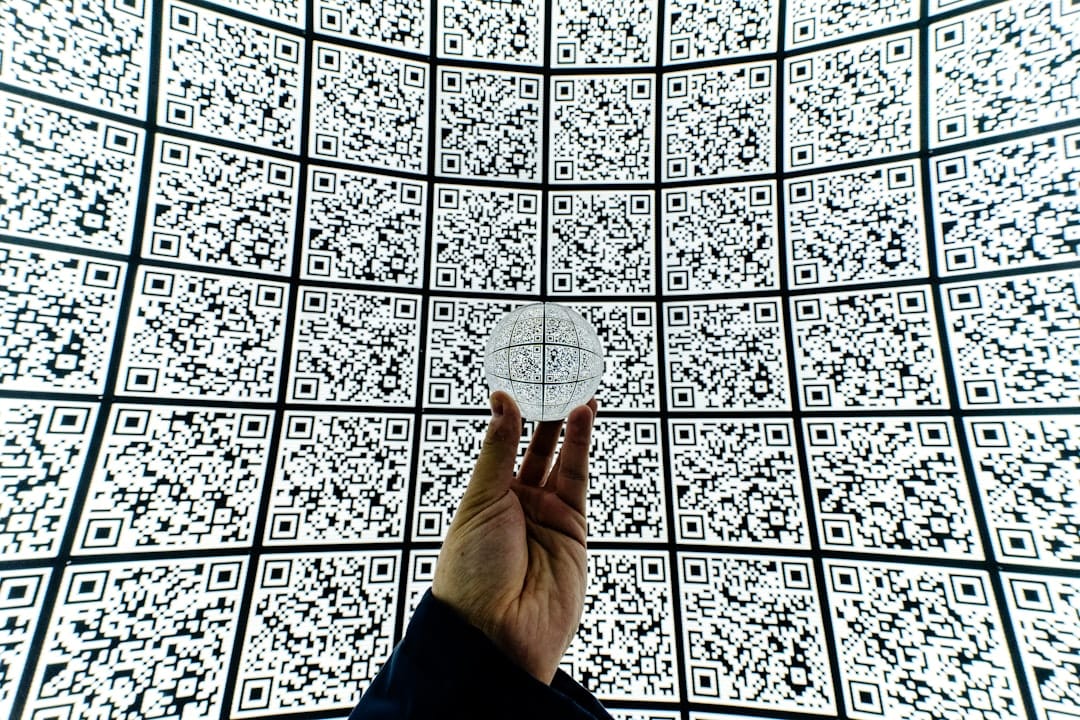
The Future of QR Codes: Growth Driven by AI, AR, and Blockchain
In the rapidly advancing realm of digital connectivity, QR codes have emerged as crucial tools, transforming from niche inventory systems to essential bridges connecting the physical and digital worlds. Originally developed in 1994 by Denso Wave for automotive tracking, QR codes now facilitate a wide range of applications, from contactless payments to interactive marketing campaigns. As we look towards 2025, the usage of these versatile codes is predicted to experience a significant rise, fueled by AI integration and dynamic functionalities.
The Evolution of QR Codes
Creating a QR code remains a straightforward process. However, the sophistication involved has grown exponentially. Users can start by selecting the content they wish to link—be it a URL, text, or multimedia—and then choose a QR code generator that supports customization. This involves inputting the data, generating the code, customizing its design, and ensuring its functionality through testing. AI advancements now allow for artistic enhancements, enabling brands to embed logos or colors without losing scannability.
The Rise of Dynamic QR Codes
Dynamic QR codes are gaining traction, eclipsing static versions due to their editable destinations and real-time analytics capabilities. These codes allow marketers to track scans by location and device, optimizing campaigns efficiently. For instance, in the retail sector, a single QR code on a product package can redirect consumers to seasonal promotions, reducing waste and enhancing engagement. Predictions for 2025 suggest that over 70% of businesses will adopt dynamic QR codes, integrating them into CRM systems for personalized user experiences.
AI's Impact on QR Code Development
AI is revolutionizing QR code creation, enabling designs that merge functionality with aesthetics. Modern AI tools can produce custom codes in seconds, incorporating artistic elements suitable for various marketing strategies. The market for QR codes is poised to reach $3.78 billion, driven by AI's capabilities in fraud detection and branding. This innovation extends to sectors like healthcare, where QR codes on medical devices provide real-time patient data access.
Integration with Emerging Technologies
Looking forward, QR codes are converging with augmented reality (AR) and blockchain to enhance security and interactivity. The QR code payment market is expected to grow significantly, with Asia Pacific leading the surge due to platforms like UnionPay and LINE Pay. In India, QR codes are seamlessly integrating with UPI systems, facilitating instant transactions without the need for additional apps.
Web development trends for 2025 are also incorporating QR codes with advancements like scroll-driven animations, creating immersive user experiences. This shift encourages viewing QR codes as gateways to metaverse-like interactions, with evolving tools supporting voice-activated scans.
Market Growth and Emerging Challenges
The QR code industry is experiencing robust growth, with post-pandemic figures showing a 40% annual increase in scans. However, challenges persist, particularly around privacy concerns amid rising cyber threats. To counter these risks, experts suggest using encrypted dynamic codes, following new standards established by international bodies.
In logistics and supply chains, QR codes enhance traceability in real time. In healthcare, they are reshaping customer engagement by connecting prescription labels to dosage videos, improving patient compliance.
Future-Proofing with AI-Driven Strategies
For businesses aiming for success in 2025, investing in AI-driven QR code generators is key. Free tools offer branded codes at no cost, democratizing access to advanced QR code technology. Major industry players are embedding QR codes within their ecosystems, signaling a shift towards hybrid physical-digital commerce models.
Ultimately, QR technology is evolving towards deeper integration and intelligence, transforming codes from passive links into sophisticated, interactive agents. As global usage climbs, with billions of daily scans, continuous innovation will be crucial to stay at the forefront of this quick-response revolution.