The Future of Dynamic QR Codes and Digital Trust
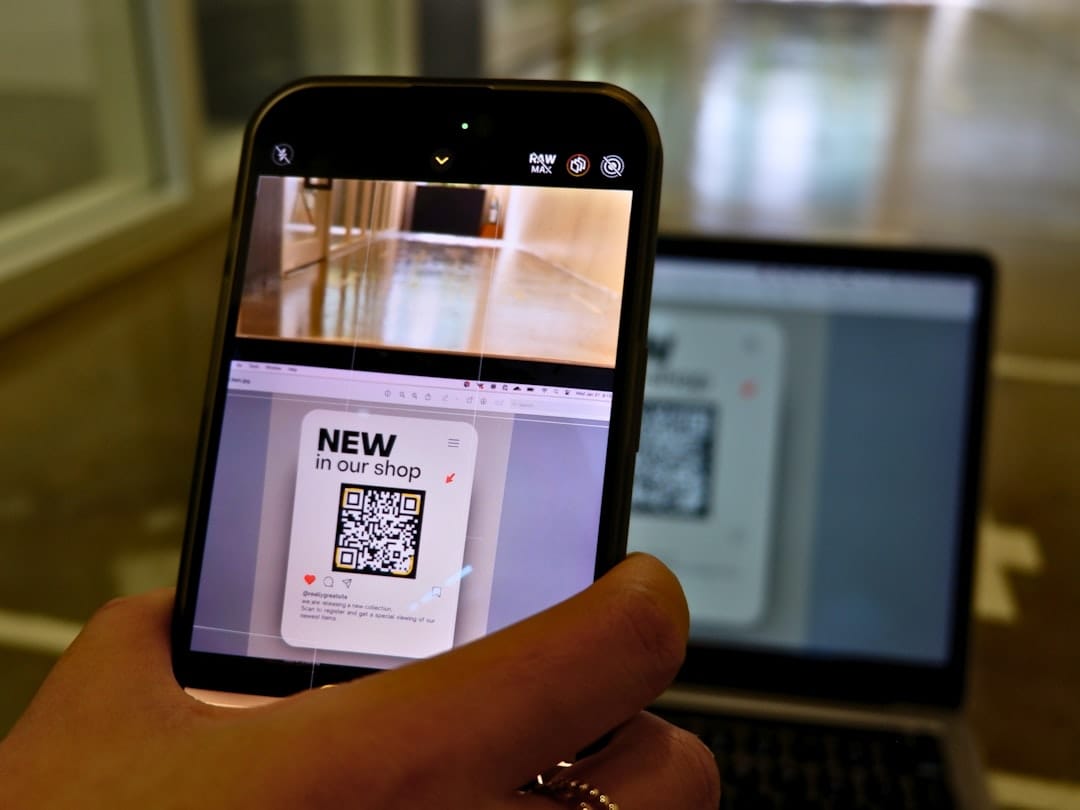
The Future of Dynamic QR Codes and Digital Trust
In an increasingly digital world, QR codes have become a fundamental tool for bridging the gap between offline and online spaces. These small, patterned squares offer quick access to information with a simple scan, but it's the advent of dynamic QR codes that’s truly revolutionizing their application. Let's dive into how these dynamic codes are shaping our digital future, particularly in enhancing digital trust.
Understanding Dynamic QR Codes
While traditional QR codes are static, meaning they lead to a fixed piece of information, dynamic QR codes offer flexibility. They allow the destination URL or content to be changed without altering the physical QR code itself. This versatility opens up a realm of possibilities for organizations looking to keep their information up-to-date and relevant.
Benefits and Applications
Dynamic QR codes are rapidly gaining traction due to their adaptability and efficiency. Here are some key benefits and applications:
- Updatable Content: Organizations can update the linked information in real-time. Whether it's changing a URL, updating contact details, or altering promotional content, dynamic codes make it seamless.
- Tracking and Analytics: Businesses can gain insights into who, when, and where interactions occur. This data helps tailor marketing strategies and improve customer engagement.
- Cost-Effective: Eliminating the need to reprint materials, dynamic QR codes ensure that changes can be made digitally, saving both time and resources.
- Enhanced Security: These codes can be secured with passwords or set to expire, providing an additional layer of control and protection.
Building Digital Trust
With digital transactions and engagements on the rise, trust is a currency that organizations cannot afford to overlook. Dynamic QR codes contribute significantly to establishing and maintaining this trust in several ways:
Authentication and Verification
Dynamic QR codes can be used for authentication processes, ensuring that the information accessed is valid and comes from a reputable source. They can verify documents, confirm identities, or even validate a product’s authenticity, protecting both businesses and consumers from fraud.
Transparency and Communication
By incorporating dynamic QR codes into their communication strategies, companies can offer transparent information to their audience. This fosters trust as users feel more informed and engaged with the brand.
Privacy Control
Consumers are more concerned than ever about their personal data. Dynamic QR codes that offer privacy controls, such as limited access and expiration dates, reassure users that their information is secure.
Challenges and Considerations
Despite their advantages, the implementation of dynamic QR codes is not without challenges. Organizations must consider the following:
- Technological Accessibility: Not all users have immediate access to smartphones or the required apps to scan QR codes, which can limit reach.
- Security Risks: Just as they can enhance security, improper use of dynamic QR codes can pose risks if not managed correctly. It's crucial to implement them with robust security measures.
- User Education: As with any technology, user understanding is vital. Educating users on how to scan and interact with QR codes can improve their effectiveness.
Embracing the Future
The future of dynamic QR codes is bright, with opportunities for innovation and increased integration into daily life. As they become more sophisticated, their role in enhancing digital trust and streamlining interactions will only grow. For businesses, harnessing tools like a QR code generator can facilitate the transition to a more dynamic and responsive digital presence.
Ultimately, as more industries adopt these advanced QR codes, staying informed and prepared to leverage their potential will be key to maintaining competitiveness and trust in the digital age.