The Expanding Role of QR Codes in Technology
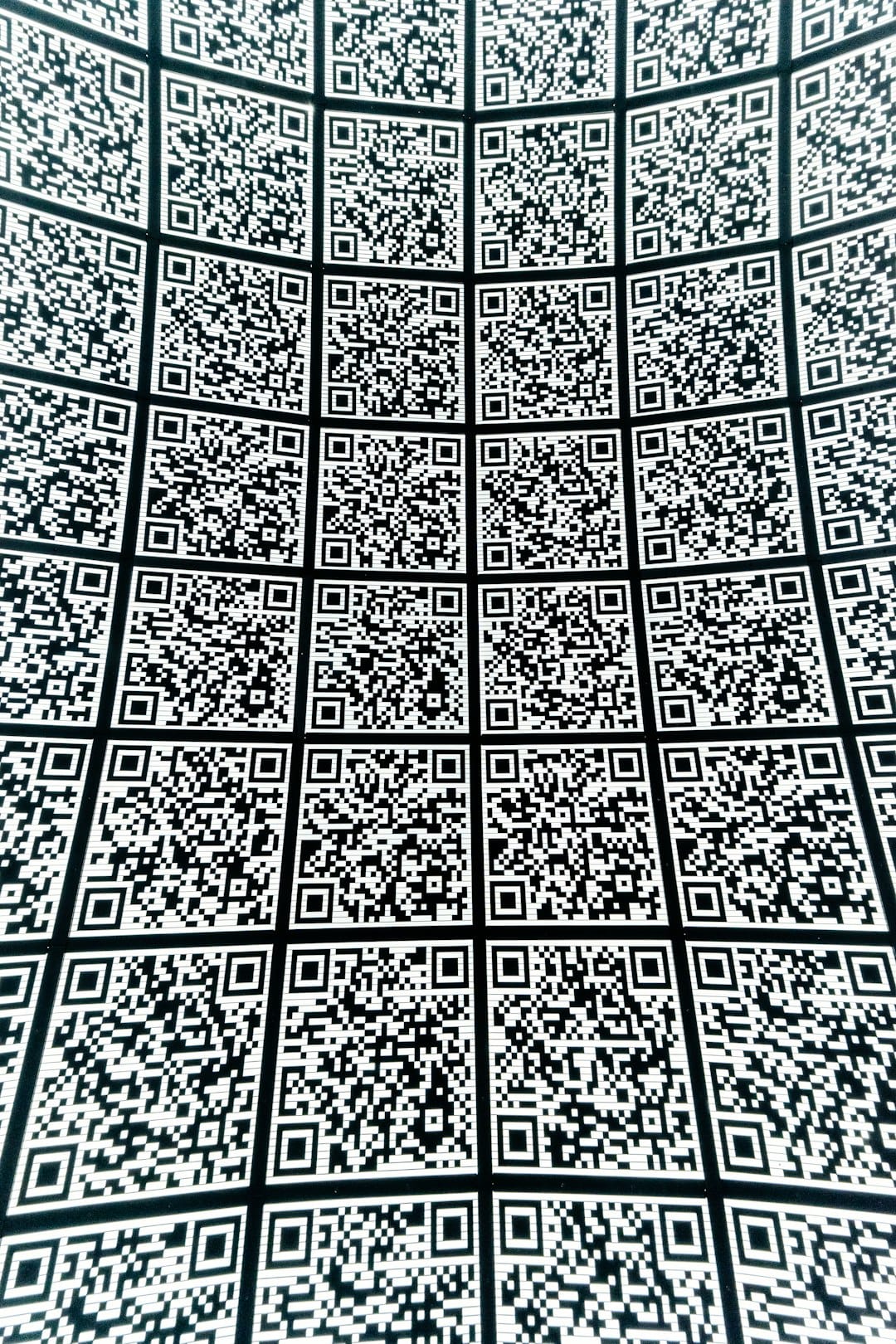
The Expanding Role of QR Codes in Technology
In the rapidly evolving world of technology, some of the simplest tools remain essential. QR codes are one such tool, now seamlessly integrated into many tech ecosystems. Although they began as a marketing gimmick, QR codes have become vital connectors, linking offline objects to dynamic systems and facilitating smoother transitions for tech teams.
Integrating QR Codes into Daily Tech Routines
In IT environments, where even minor disruptions can break concentration, it’s crucial to streamline actions. Enter the QR code generator, a tool that transforms physical labels, sticky notes, device tags, and whiteboard sketches into immediate access points. A quick scan leads directly to the needed resource, eliminating the need to search through extensive documentation or shared folders.
The effectiveness of QR codes depends on the reliability of the tools behind them. Systems like ME-QR allow for content updates without regenerating codes, accommodating changes like shifting endpoints or updating links without disruptions. This adaptability shows in the vast number of codes created and used globally, reflecting their integration into tech workflows.
Creative QR Code Applications in IT
QR codes are more than just link holders; they carry context and facilitate various IT functions. With a free QR code generator, teams can craft labels that encapsulate essential information: function calls, build logs, onboarding processes, release notes, or server status pages. This versatility leads to innovative applications, naturally fitting into IT rather than borrowing from other fields:
- In testing environments, QR-coded shortcuts allow engineers to switch between mobile builds effortlessly, bypassing manual parameter entry.
- In hardware labs, QR slips on devices link to configuration snapshots or debugging notes, easily created with an online QR code generator.
- Network administrators employ QR-coded credentials for Wi-Fi or VPN access, refreshing them weekly to minimize security risks.
- Product teams embed QR references in sprint boards, enabling instant access to relevant specification documents through a simple scan.
- On-call engineers mark server racks with QR-coded recovery steps, updated dynamically without the need to reprint physical cards.
These examples illustrate how QR codes excel not because of their novelty, but due to their ability to save time that accumulates into significant productivity gains. Over time, teams start to view QR codes as an integral part of their infrastructure, rather than as an additional feature.
QR Codes: Subtle Yet Effective
The success of QR codes in IT lies in their subtlety; they improve workflows without drawing attention to themselves. ME-QR remains a popular choice for internal tools because it functions like a stable element of infrastructure—quiet, adaptable, and easy to integrate into pre-existing systems. For tech teams aiming for fewer disruptions and smoother transitions between tasks, QR codes continue to be one of the most straightforward tools offering broad utility.