The Evolution and Utility of QR Codes
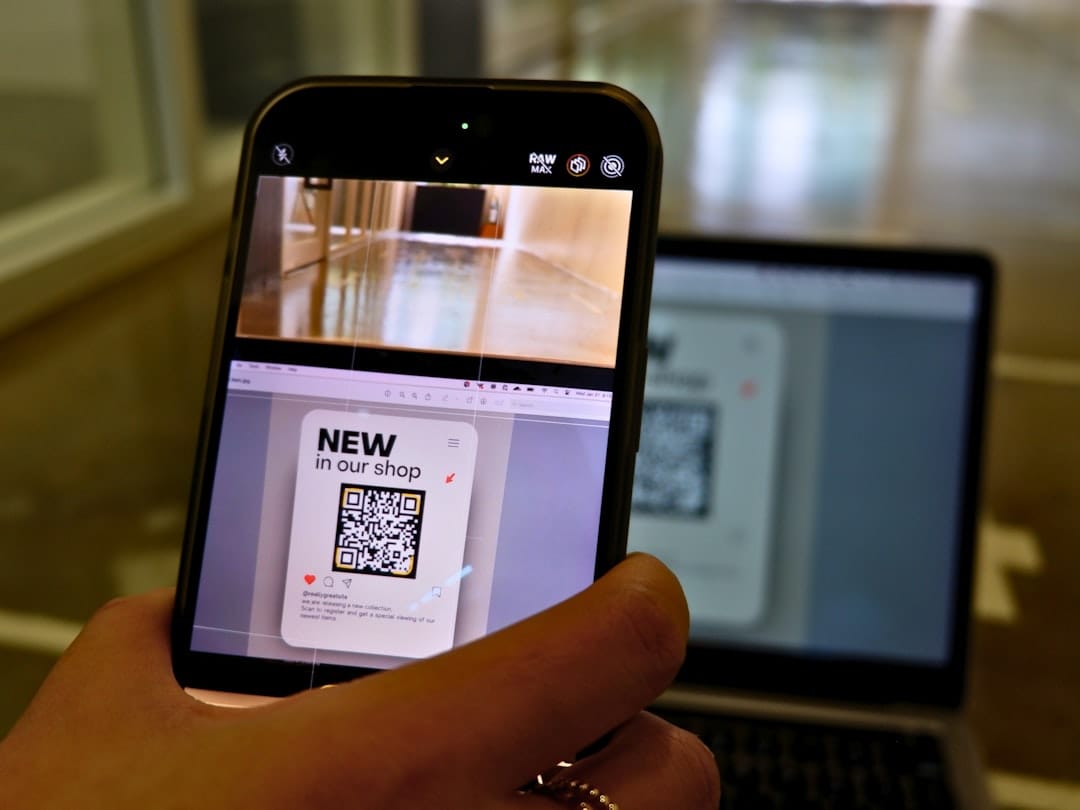
The Evolution and Utility of QR Codes
Since the 1970s, bar codes have been a staple in retail, offering a straightforward, one-dimensional means of encoding data. Decoding these codes requires basic technology, both in hardware and software. However, the inception of QR codes in 1994 by Masahiro Hara at the Japanese company Denso Wave revolutionized how we encode information. Originally designed for labeling automobile parts, QR codes utilize a two-dimensional matrix, allowing them to store significantly more data than traditional bar codes.
How QR Codes Work
QR codes, short for quick-response codes, pack information into a compact space. They feature three large squares in three corners and a smaller square in the fourth corner, assisting image processing software in determining the code's orientation and size. Modern smartphones are equipped with the processing power needed to decode even intricate QR codes, provided the image is sufficiently clear.
As technology progresses, QR codes have evolved with more versions that convey increasingly detailed information. For example, a medium-resolution QR code can encode up to 50 characters, whereas a high-resolution variant can store up to 1852 characters. Although some older or less powerful smartphones may struggle with very high-resolution QR codes, advancements in camera and processing technology continue to enhance decoding capabilities.
Error Correction in QR Codes
QR codes employ sophisticated error correction techniques to account for image capture errors or physical damage. This means that even if a QR code is partially damaged, such as a torn corner, it may still be decoded accurately. This reliability makes QR codes a robust tool for various applications.
Applications of QR Codes
QR codes have become ubiquitous in everyday life, facilitating numerous tasks:
- Accessing Digital Content: QR codes can link directly to websites, restaurant menus, and course details, minimizing the need for printed materials and promoting a contactless experience.
- Connecting to Wi-Fi: By scanning a QR code, smartphones can automatically input network details, simplifying internet access.
- Facilitating Payments: QR codes enable quick, cashless transactions through payment apps, eliminating the need for physical money or cards.
- Sharing Contact Information: Users can exchange vCards, initiate phone calls, send text messages, or compose emails with pre-filled content.
- Downloading Apps: QR codes provide direct links to app stores, streamlining the installation process.
- Social Media Connectivity: Quickly follow profiles on platforms like LinkedIn or Instagram by scanning the relevant QR code.
- Account Authentication: Log into services such as WhatsApp on desktop by scanning a QR code with a mobile app.
- Marketing and Event Ticketing: QR codes are used to access digital tickets and promotional content.
- Sharing Files: Enable users to download documents like PDFs by scanning a code.
In essence, QR codes serve as a bridge between the physical and digital worlds, enhancing convenience and interactivity in various aspects of daily life.
Security Considerations with QR Codes
While QR codes offer numerous benefits, they also present security risks. It's crucial for users to exercise caution, especially when accessing unfamiliar websites. On an iPhone, if the "Scan QR Codes" feature is enabled, users can preview the encoded data before engaging with the link. For added security, take a photo of the QR code and inspect it in the Photos app to view the full character string. This allows users to make informed decisions about whether to proceed, especially if the link appears suspicious.
Cyber threats can exploit QR codes to access personal data or perpetrate fraud. Therefore, staying vigilant in the virtual realm is as crucial as awareness of physical threats in the past. Whether it's a harmless menu link or a potentially harmful website, QR codes warrant a cautious approach.
In summary, QR codes have evolved from their humble beginnings in automotive parts labeling to a versatile tool for modern convenience and connectivity. With applications ranging from digital payments to social media engagement, they continue to play a pivotal role in streamlining interactions and bridging the gap between offline and online worlds. As technology advances, so too will the capabilities and uses of these powerful little squares.
And for those interested in creating their own QR codes, consider exploring a QR code generator to discover the possibilities for personal or business use.