The Evolution and Impact of QR Codes in Modern Life (Update)
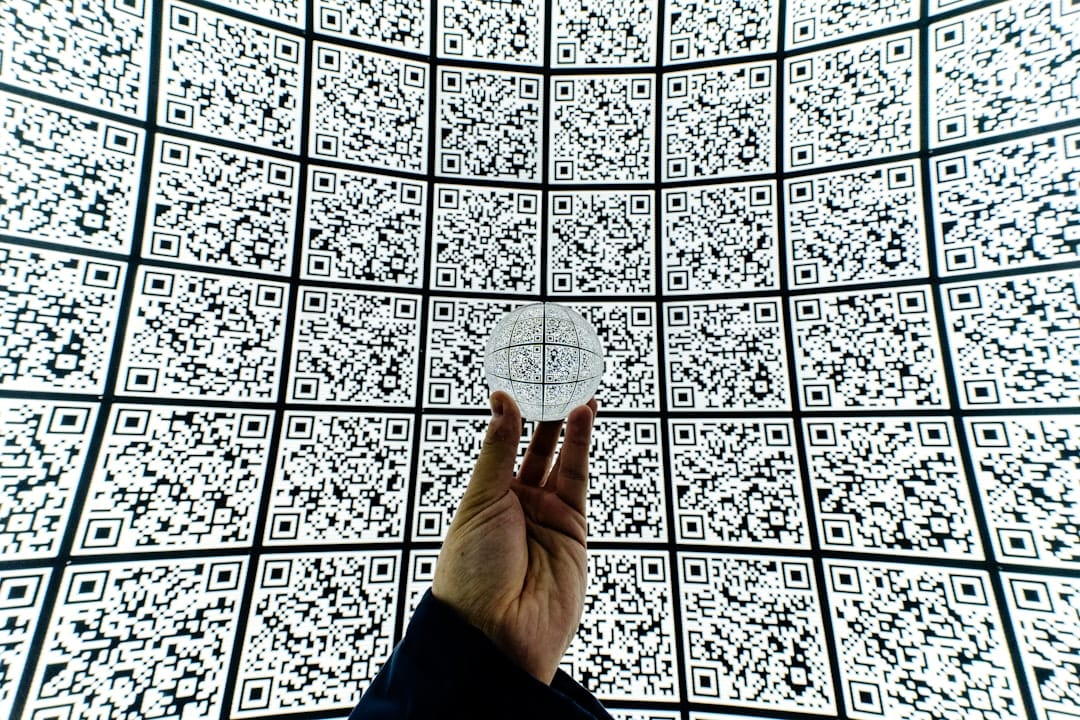
The Evolution and Impact of QR Codes in Modern Life
QR codes have become an integral part of our daily lives, facilitating everything from parcel tracking and event entry to parking payments and Wi-Fi access. Despite their ubiquitous presence, the story of their inception is not widely known. Let's delve into the fascinating history and evolution of QR codes and explore how they have revolutionized various aspects of our lives.
The Birth of the QR Code
The QR code, short for Quick Response code, was developed in 1994 by a Japanese company aiming to enhance the efficiency of tracking automotive parts. The goal was to create a tool that could decode information at high speed, surpassing the capabilities of traditional barcodes. This was achieved by developing a two-dimensional matrix barcode that could store significantly more data.
How QR Codes Work
QR codes function by encoding information in a grid of black and white squares. The pattern is scanned by a device, such as a smartphone, which then interprets the data. This technology allows for rapid access to information, making QR codes a versatile tool for businesses and consumers alike. The ease of generating these codes has been further supported by platforms like a QR code generator.
Real-World Applications
Since their creation, QR codes have been adopted across numerous sectors. In retail, they streamline product information and facilitate digital payments. In logistics, they enhance the efficiency of inventory management and tracking. The entertainment industry uses them for event ticketing, allowing quick and secure entry into venues.
QR Codes in the Digital Age
As technology advances, QR codes have adapted to serve new purposes. They play a crucial role in contactless transactions, providing a safer shopping experience during the pandemic. Restaurants have embraced QR codes for digital menus, reducing physical contact and improving service speed. Similarly, they are instrumental in health sectors for patient information management and medication tracking.
The Cultural Impact
Beyond their practical applications, QR codes have also become a cultural phenomenon. Artists and marketers use them creatively to engage audiences, whether through interactive exhibits or innovative advertising campaigns. In this digital era, QR codes bridge the gap between the physical and digital worlds, enhancing engagement and accessibility.
Future Prospects
Looking ahead, the potential of QR codes seems boundless. As smartphone capabilities expand and internet connectivity becomes more widespread, QR codes will likely remain a staple in the digital toolkit. They are expected to continue evolving, incorporating augmented reality and other advanced technologies to offer even richer interactive experiences.
In conclusion, the humble QR code has transformed from a simple tool for industrial use to a versatile element in everyday technology. Its ability to seamlessly integrate and simplify tasks makes it an indispensable part of modern life, with its uses and innovations ever-expanding.