The Ever-Evolving World of QR Codes
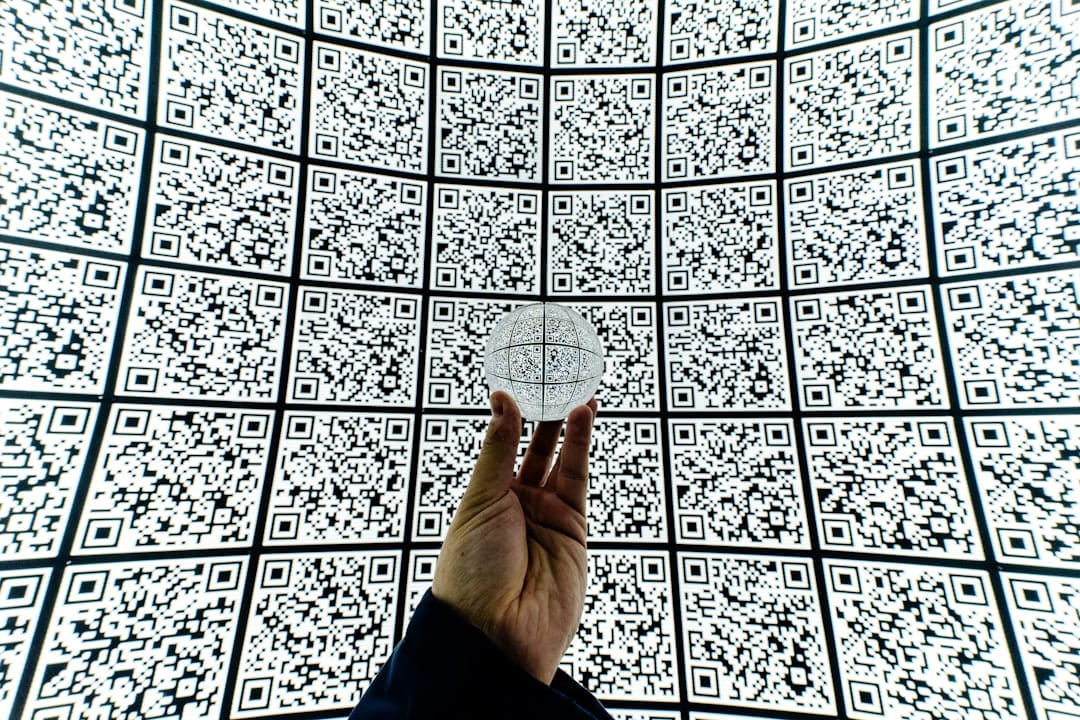
The Ever-Evolving World of QR Codes
Since their inception, bar codes have been a staple in retail environments, offering a linear means to convey digital data. However, as technology progressed, so too did our methods of encoding information. Enter the QR code, a two-dimensional matrix that revolutionized data storage and accessibility. Invented in 1994 by Masahiro Hara at Denso Wave, these quick-response codes were initially designed for tracking automobile parts but have since found a multitude of uses in everyday life.
Understanding QR Codes
QR codes can house significantly more information than traditional bar codes, thanks to their two-dimensional matrix format. Despite requiring more complex image processing to decode, modern smartphones are equipped to handle even the most intricate QR codes as long as the image quality is sufficient. A typical QR code includes three distinct squares at three corners and a smaller square near the fourth corner, which assist in determining image orientation and sizing during processing.
As technology advances, so do the variations of QR codes. Higher resolution codes can encode more data; for example, some medium-resolution QR codes can store up to 50 characters, while high-resolution versions can convey up to 1,852 characters. However, the capability of decoding these dense patterns depends on factors like camera quality and image clarity.
Practical Uses of QR Codes
QR codes bridge the gap between the physical and digital worlds, enhancing our ability to interact with information in various contexts. Here are some practical applications:
- Digital Content Access: QR codes provide quick access to websites, digital menus, and product details, enabling contactless interactions that reduce reliance on printed materials.
- Wi-Fi Connectivity: By scanning a QR code, smartphones can automatically connect to Wi-Fi networks by inputting the necessary credentials.
- Digital Payments: Users can make payments via apps by scanning a QR code, eliminating the need for physical cash or credit cards.
- Contact Information Sharing: QR codes can share vCards or initiate communication actions like calls, texts, or emails with pre-filled details.
- App Downloads: QR codes can link directly to app stores, streamlining the download process for various applications.
- Social Media Integration: Users can instantly follow social media profiles by scanning designated QR codes.
- Authentication: Services like WhatsApp, Telegram, and WeChat use QR codes for secure desktop logins via mobile devices.
- Marketing and Event Ticketing: QR codes serve as a powerful tool for marketing campaigns and event access, even extending to personal memorabilia like gravestones for accessing digital stories or obituaries.
- File Sharing: They enable easy downloads of documents like PDFs, simply by scanning a code.
Security Considerations
While QR codes offer convenience, they also introduce security risks. Modern devices, such as iPhones, can preview the content encoded in a QR code when scanned, providing users a chance to assess the safety of a link before clicking. If you're cautious, photographing the QR code and examining the image later can offer an extra layer of scrutiny.
Malicious QR codes can redirect users to harmful websites or grant unwanted access to personal device data, including contacts, location, and more. It's a reminder that virtual threats are as real and pervasive as physical dangers once were.
QR Code Generators
For those interested in creating QR codes for various purposes, a reliable QR code generator can simplify the process. These tools allow you to design customized QR codes that suit your specific needs, whether for business or personal use.
As QR code technology continues to evolve, its applications will likely expand further, offering new and innovative ways to connect the physical world with the digital realm.