The Case for Bringing Back Printed Menus in Restaurants
The Case for Bringing Back Printed Menus in Restaurants
In a world increasingly dominated by digital interactions, the tactile experience is becoming a rare commodity. This is especially evident in restaurants, where the prevalence of QR code menus is a growing trend. While these digital menus were a practical solution during the pandemic to reduce physical contact, they continue to dominate the dining scene, often to the detriment of the dining experience.
The Joy of Tangible Experiences
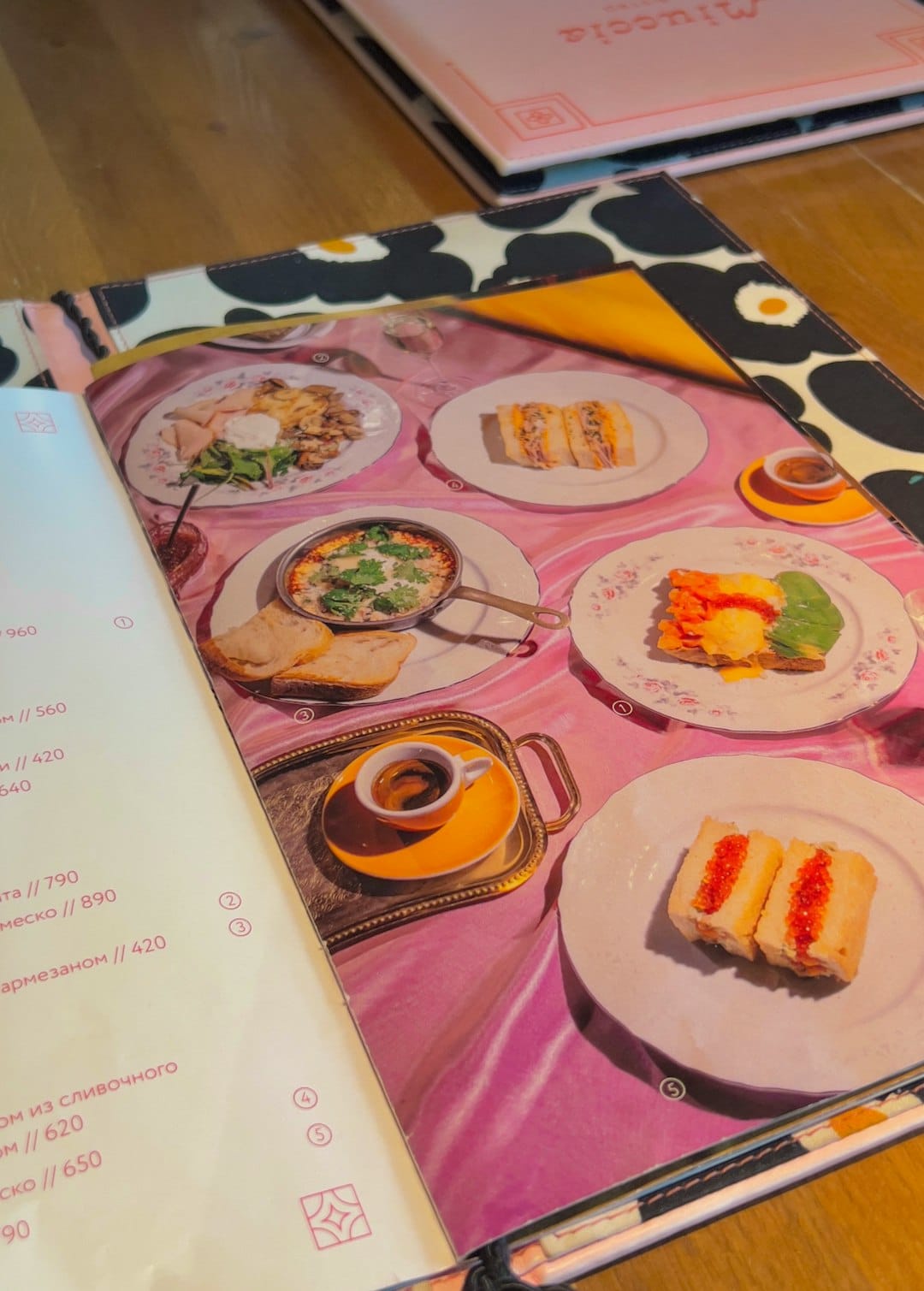
Dining out should be a sensory delight, a break from the constant engagement with screens. Just as reading a physical book or flipping through a photo album brings a certain joy, so does holding a beautifully crafted menu. The texture of the paper, the design of the layout, and the small creative touches can elevate a meal beyond its culinary offerings.
Restaurants, at their core, are about providing pleasure beyond just the food. They offer an experience that engages multiple senses. Think of the fondness for collecting matchboxes or postcards from a memorable meal, or the unexpected joy of taking home a custom pen. These tangible mementos contribute to the whole dining experience in a way that a digital screen simply cannot.
Escaping the Digital Overload
In an era where efficiency and convenience often trump beauty and pleasure, the choice to offer printed menus becomes an act of defiance. It is a reminder that not everything in life needs to be digitized. Dining out should be one of those rare occasions where we allow ourselves to be present without the intrusion of our phones.
Consider the ambiance of a cozy neighborhood bar or a high-end restaurant. Both settings benefit from attention to detail, and a thoughtfully designed menu adds to the atmosphere. It invites diners to engage with the meal and their companions, free from the distractions of notifications and app alerts.
Creativity in Menu Design
Some restaurants have embraced creativity in their menu design, making the menu itself part of the dining experience. These menus might include whimsical illustrations or amusing anecdotes that entertain as well as inform. For example, a menu featuring doodles or a comic strip illustrating how to eat a particular dish can make dining more enjoyable and memorable.
While these artistic touches are not groundbreaking, they represent a deliberate choice to prioritize beauty and creativity over sheer practicality. In a world obsessed with speed, such choices feel increasingly rare and valuable.
Reviving a Forgotten Pleasure
Bringing back printed menus is not just about nostalgia; it's about preserving the tactile pleasures that make dining out a unique experience. It is about recognizing that the simple act of flipping through a physical menu can set the tone for a meal, much like the right lighting or comfortable seating can enhance a space.
As we navigate the balance between digital convenience and sensory enjoyment, it is worth considering what we gain by slowing down and embracing the tangible. The return to printed menus could be a small but significant step towards a more intentional dining experience.
Conclusion
Restaurants have the opportunity to reclaim the art of dining by reintroducing beautiful, thoughtfully designed printed menus. This move can help create an atmosphere that encourages diners to disconnect from their digital devices and fully engage with the moment. After all, the dining experience is about more than just food; it's about enjoying the company, the setting, and the joy of being present.
For those eager to explore creative ways to enhance their restaurant's ambiance, utilizing a QR code generator selectively for non-essential information could offer the best of both worlds, allowing for digital convenience without sacrificing tactile charm.