Stay Safe: Understanding QR Code Scams and How to Avoid Them
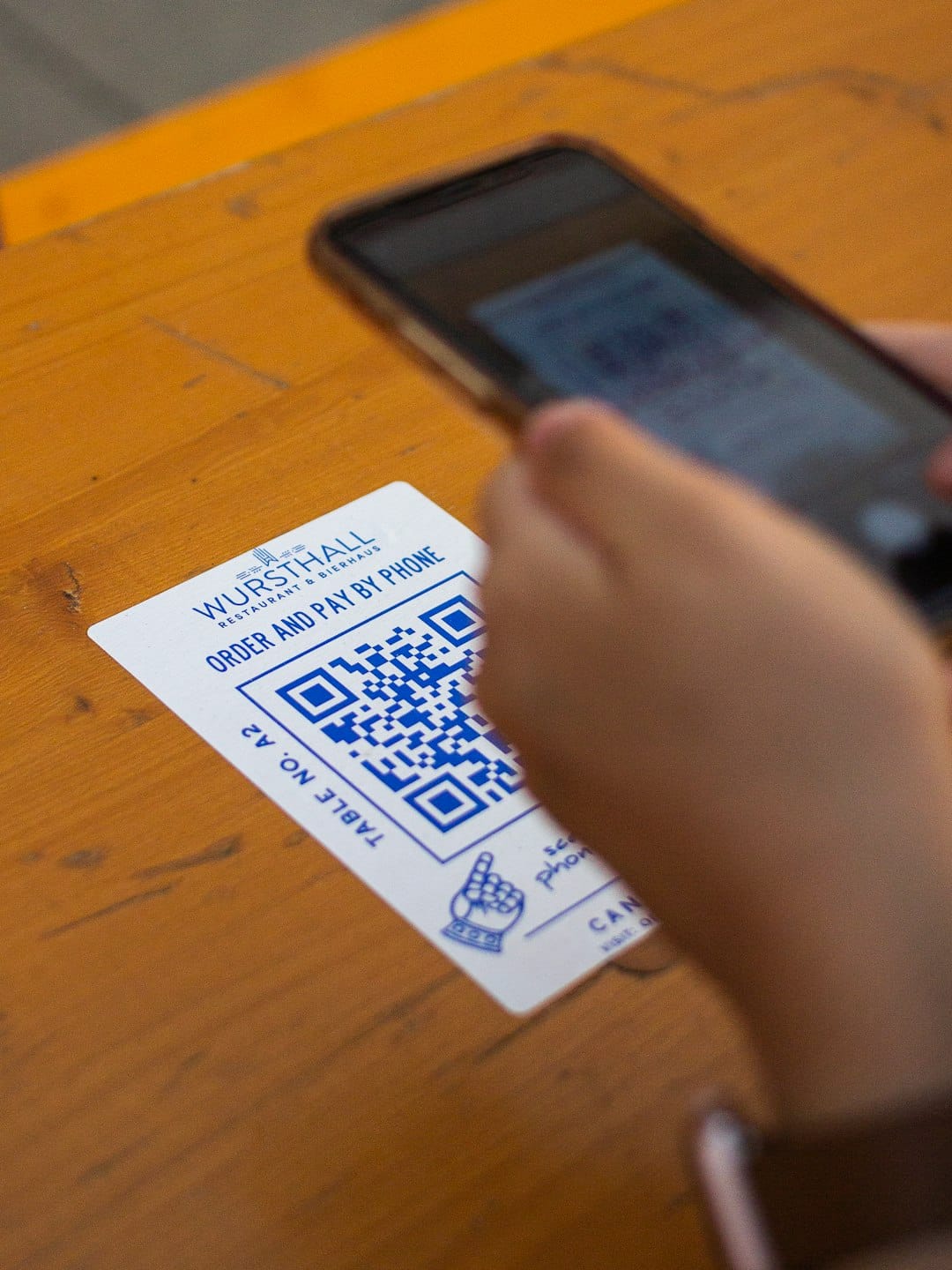
Stay Safe: Understanding QR Code Scams and How to Avoid Them
In the digital age, QR codes have emerged as a convenient tool for accessing information quickly and efficiently. However, as their popularity grows, so does the opportunity for malicious actors to exploit them. Known as "quishing," QR code scams can pose significant risks if not properly understood. This guide will help you recognize such scams and protect yourself from potential threats.
What is Quishing?
Quishing combines "QR code" with "phishing," a form of cyberattack where scammers attempt to deceive individuals into revealing personal information. By embedding malicious links within a QR code, fraudsters can trick users into accessing harmful websites or downloading malicious software. These scams often aim to steal sensitive information such as login credentials, personal identification numbers, or financial details.
How QR Code Scams Work
The process typically begins with the creation of a fraudulent QR code. These codes are then distributed through various means – printed on flyers, embedded in emails, or shared on social media platforms. Unsuspecting users scan the code, thinking it leads to legitimate content, only to be redirected to a phishing site designed to look authentic. Once there, victims may be prompted to enter personal information or unknowingly download malware onto their devices.
Recognizing Red Flags
While QR codes are generally safe, it's crucial to remain vigilant. Here are some key indicators of a potential QR code scam:
- Unfamiliar Source: Be wary of QR codes from unknown sources or those that appear in unexpected places.
- Pressure Tactics: Scammers often use urgency to provoke immediate action without due diligence.
- Suspicious URLs: Always check the URL that a QR code directs you to. Look for signs of a legitimate website, such as correct spelling and a secure protocol (https://).
- Unsecure Environment: Avoid scanning QR codes in untrusted environments, where scams might be more prevalent.
Protecting Yourself from QR Code Scams
Here are practical steps you can take to safeguard against QR code scams:
- Verify the Source: Use familiar and reputable QR code generators to ensure you are accessing legitimate content.
- Use a QR Scanner App: Many apps offer security features that check the safety of a URL before proceeding. Consider downloading one for added protection.
- Educate Yourself and Others: Raising awareness about the risks and signs of quishing can help you and those around you stay informed and safe.
- Regular Software Updates: Keep your devices' software up to date to protect against the latest security threats.
What to Do If You've Been Scammed
If you believe you have fallen victim to a QR code scam, take the following steps immediately:
- Change Passwords: Update passwords for any accounts that may have been compromised.
- Monitor Accounts: Keep a close eye on financial statements and online activity for any unauthorized transactions.
- Report the Incident: Notify your financial institution, the relevant authorities, and any affected service providers to take appropriate action.
- Run Security Software: Use antivirus and anti-malware software to scan your device for threats.
Conclusion
QR codes remain a valuable tool in the digital landscape, offering a simple way to access a wide array of content. However, it's essential to be aware of the potential for scams. By understanding the risks and taking preventative measures, you can enjoy the convenience of QR codes while keeping your personal information secure. Stay informed, stay vigilant, and protect yourself from the rising tide of quishing threats.