Spain's Digital Shift: Embracing QR Code Payments for Chinese Tourists
Spain's Digital Shift: Embracing QR Code Payments for Chinese Tourists
The tourism landscape in Spain has seen a remarkable shift, primarily due to an increase in Chinese visitors. Adapting to the preferences of these modern travelers, Spanish businesses have embraced QR code generator-based payments. This change is reshaping how transactions occur across the country, from bustling tapas bars in Seville to upscale boutiques in Madrid.
The Rise of Chinese Tourists in Spain
Spain has experienced a noteworthy surge in Chinese tourists, with around 600,000 visitors in 2023, according to the Spanish Ministry of Industry, Trade, and Tourism. Although still below pre-pandemic levels, this increase is significant. Chinese tourists are renowned for their substantial spending on luxury products, gourmet dining, and cultural experiences, making them an attractive demographic for local businesses eager to tap into their purchasing power.
The Digital Payment Revolution
Chinese tourists' spending habits are characterized by a strong preference for mobile payments via platforms like Alipay and WeChat Pay. In China, mobile transactions are ubiquitous, eclipsing cash and credit card usage. This expectation of seamless digital payments often contrasts with Europe's traditional reliance on cash and card-based transactions, including in Spain.
For Chinese tourists, the need to carry cash or use international credit cards, often laden with fees, has been a significant inconvenience. This friction posed a challenge for Spanish businesses seeking to accommodate this lucrative market.
Bridging the Payment Gap
Recognizing the potential economic loss, Spanish businesses have rapidly responded by adopting mobile payment systems. Partnerships with key Chinese payment providers have catalyzed the introduction of QR code payment systems across key tourist hubs like Barcelona, Madrid, and Seville.
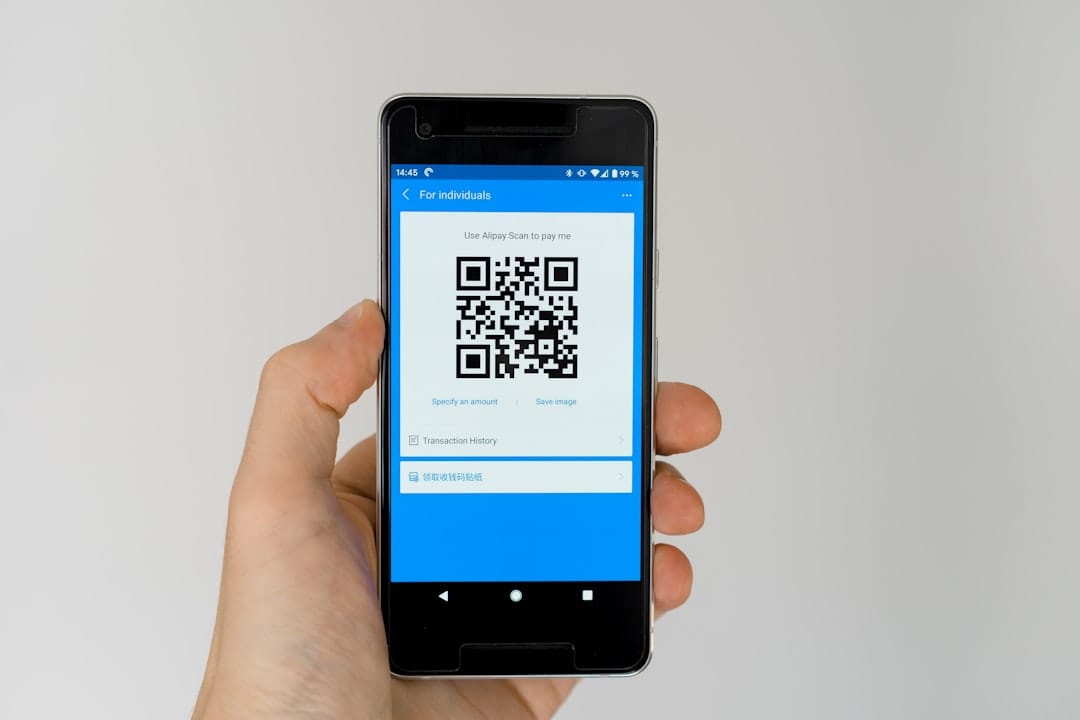
These QR codes, easily scanned by tourists using their mobile payment apps, facilitate smooth transactions. The conversion from yuan to euros happens instantly, allowing visitors to pay in their home currency. This user-friendly payment method has been widely embraced, reducing the complexities of handling foreign currencies for businesses.
Widespread Business Adoption
The integration of QR code payments has been particularly advantageous for businesses in tourist-heavy areas. Luxury retailers in Madrid's Salamanca district and Barcelona's Passeig de Gràcia were pioneers in this technological shift. However, the adoption is not confined to upscale brands alone. Independent cafes, souvenir shops, small hotels, and family-run restaurants have also embraced QR code payments, recognizing the benefits of this system.
Local businesses have observed that Chinese tourists are more inclined to make spontaneous purchases when they can quickly pay through mobile wallets. This boost in consumer spending is crucial for an industry heavily reliant on tourism. Additionally, the transition to digital payments minimizes the risks and errors associated with cash handling and enhances transaction transparency, benefiting both businesses and consumers.
Spain's Broader Digital Transition
The rise of QR code payments, initially driven by the needs of Chinese tourists, is part of a broader digital transformation in Spain. Younger Spanish consumers, already comfortable with mobile wallets, are increasingly using QR code payments for daily transactions. This trend signifies a shift towards a cashless, mobile-first economy in Spain.
As Spanish banks and fintech companies expand their digital offerings, there is a growing movement towards a more inclusive and efficient financial system. Mobile payments offer a convenient and secure way for individuals to manage finances, fostering greater financial inclusion.
Gaining a Competitive Edge
Spain's widespread adoption of QR code payments has strategically positioned the country as a desirable destination for high-value tourism. As other European nations vie for the attention of wealthy Chinese tourists, Spain's proactive adaptation to their payment preferences provides a competitive advantage.
Offering seamless payment experiences is becoming as essential as providing Wi-Fi or multilingual services. Spain's commitment to accommodating the digital habits of a significant tourism demographic is likely to be a key factor in its ongoing success in the global tourism marketplace.
Conclusion
Spain's swift adaptation to the evolving demands of modern tourists is exemplified by its widespread adoption of QR code payments. What began as a response to the increase in Chinese visitors has evolved into a broader transformation in payment methods across the nation. As more businesses integrate digital payment systems, Spain is poised to lead Europe's transition to a cashless economy, offering a more streamlined and efficient travel experience for all visitors. This digital revolution benefits Chinese travelers and significantly boosts local businesses, enhancing Spain's tourism industry as a whole.