Securing Digital Identities: Navigating QR Code Security Threats (Update)
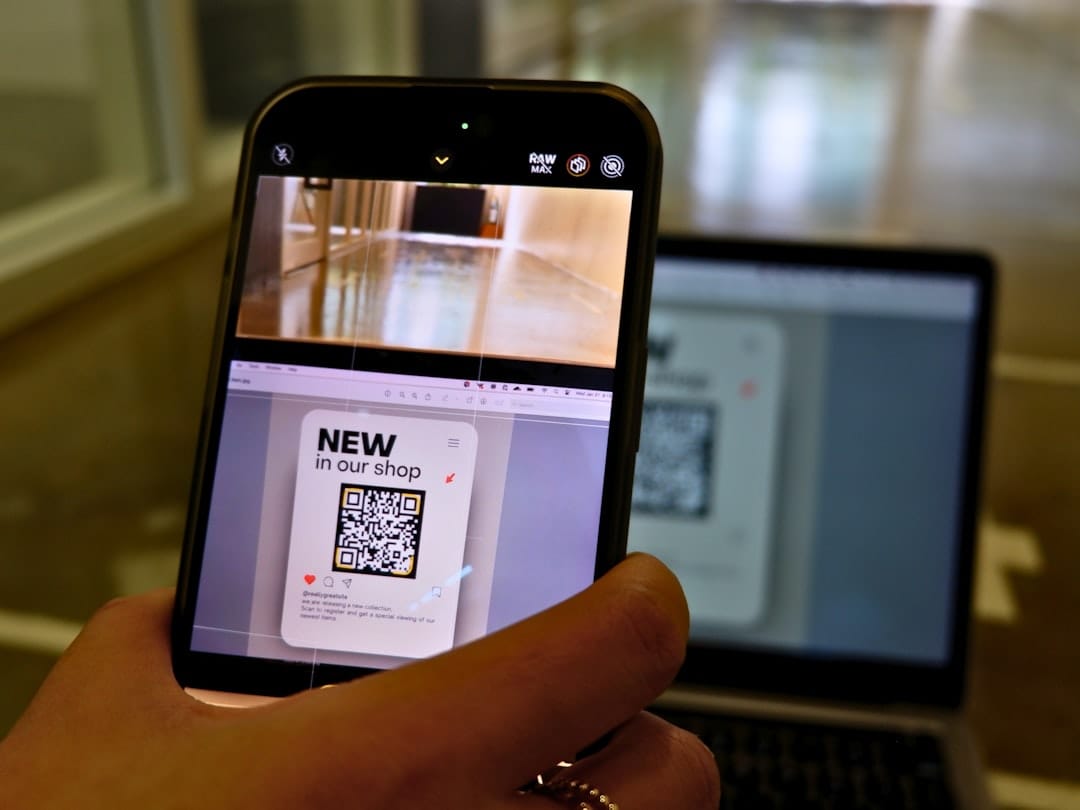
Securing Digital Identities: Navigating QR Code Security Threats
In today's digital era, QR codes have become indispensable in various sectors such as supply chains, retail, digital payments, and consumer engagement. However, this widespread adoption makes them an attractive target for cybercriminals. New threats like QR phishing and QR-jacking expose significant vulnerabilities, potentially compromising enterprise systems and undermining consumer trust.
Understanding QR Code Threats
The evolution of QR code technology has brought about not only greater convenience but also increased risks. Cybercriminals are employing sophisticated methods to exploit QR codes, making it crucial for businesses to stay informed and protected. Understanding the latest QR code security threats is essential to safeguard digital identities.
Modern Attack Vectors
Modern QR code-based attacks often involve deceptive tactics such as redirecting users to malicious websites or infecting devices with malware. Threat actors have become adept at blending these attacks seamlessly into legitimate business operations, making detection challenging.
Case Studies: Real-World Implications
Various industries have reported incidents of QR code exploitation, from retail environments where fake codes are used to steal customer data, to supply chains disrupted by unauthorized code manipulation. These scenarios underscore the importance of vigilance and proactive security measures.
The Role of Standards in QR Code Security
Organizations like GS1, AIM, and ISO play a pivotal role in establishing robust security practices for QR codes. Their guidelines aim to create a safer environment by promoting standardized security protocols and practices.
Security Solutions: A Comparative Analysis
Several security solutions are available to mitigate QR code risks, including:
- GS1 Digital Link: Ensures the integrity of QR codes by linking them to secure, verified data sources.
- Secure Digital Tokens: Adds an extra layer of authentication to prevent unauthorized access.
- Non-Cloneable Authentication Technologies: Utilizes unique identifiers that cannot be easily replicated.
Effective Mitigation Strategies
To defend against QR code threats, businesses should consider a blend of consumer education and technological measures. Educating consumers about the potential risks and safe scanning practices is crucial. Additionally, implementing technological solutions such as secure QR code generators can further enhance protection.
For businesses interested in exploring secure QR code creation, using a QR code generator is a practical step towards improving security.
Conclusion
As QR codes become increasingly embedded in our daily lives, understanding and addressing the security risks they pose is more important than ever. By staying informed about emerging threats and adopting comprehensive security strategies, organizations can protect their systems and maintain consumer confidence. This ongoing effort is crucial to safely navigating the digital landscape and ensuring a secure future for digital identities.