Rising Concerns Over QR Code Scams in Las Vegas
Rising Concerns Over QR Code Scams in Las Vegas
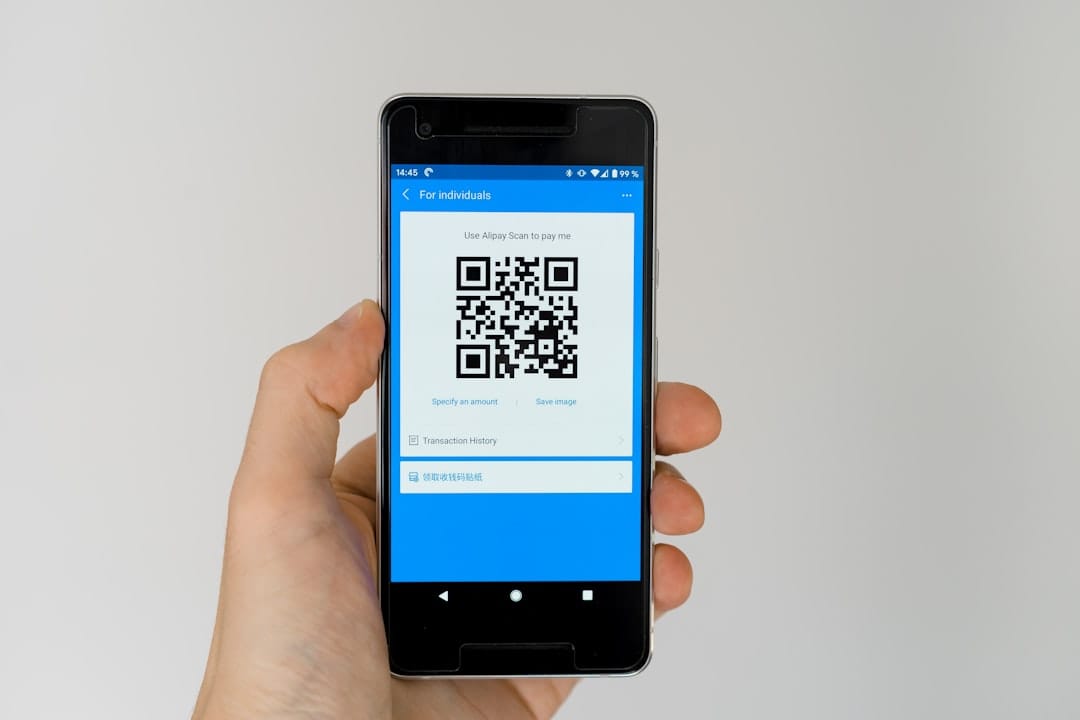
In recent years, QR codes have become a ubiquitous tool, seamlessly integrating into our daily lives for accessing menus, making payments, and much more. However, their widespread use has also attracted the attention of scammers, leading to a rise in 'quishing'—a phishing tactic that exploits QR codes to steal personal data and funds. Las Vegas residents are now on high alert, as cybersecurity experts warn about the growing threat these scams pose.
Understanding the Threat
QR codes are designed for convenience, allowing users to quickly scan and access information. Unfortunately, this convenience comes with a downside—the difficulty in distinguishing between legitimate and fraudulent codes. Cybersecurity expert Paul Keener highlights this vulnerability, noting that QR codes can easily be manipulated, making it challenging for users to verify their authenticity.
The Federal Trade Commission (FTC) has reported significant losses due to various scams, with QR code-related fraud accounting for a remarkable portion. This issue persists because most users are unaware of the risks associated with scanning random QR codes, especially those found in public places or on unsolicited packages.
Real-Life Impact on Residents
The threat of QR code scams is not just theoretical. Las Vegas locals have shared their experiences with these deceptive practices, expressing concerns about their personal information being compromised in seemingly safe environments. One resident, Steven Smith, voiced his worries about the potential misuse of his data after scanning a QR code at a restaurant.
Kayla Mercado recounted an incident where a friend unsuspectingly scanned a QR code at a food truck, leading to unauthorized access to personal information. These cases illustrate how easily everyday activities can turn into security breaches, prompting local authorities to issue warnings.
Preventive Measures and Expert Advice
To protect themselves, consumers are urged to exercise caution when interacting with QR codes. The FTC advises individuals to avoid blindly scanning codes found on public signs or unsolicited packages, as these may lead to counterfeit websites designed to capture credit card details or infect devices with malware.
Keener suggests practicing the same vigilance with QR codes as one would with card skimmers at gas stations. This includes inspecting QR codes for signs of tampering, such as stickers placed over original codes, and being wary of offers that seem too good to be true, particularly around holidays or sales events like Black Friday.
Reporting and Responding to Scams
Victims of QR code scams are encouraged to report incidents to the FBI's Internet Crime Complaint Center and the FTC's identity theft website, which serves as a crucial resource for those affected. Although the FTC's site is temporarily down due to a government shutdown, operations are expected to resume shortly, providing further support to scam victims.
The Road Ahead
As technology continues to evolve, so will the tactics of scammers. Users must remain vigilant, educating themselves about potential threats and adopting safe practices when using QR codes. By staying informed and cautious, individuals can protect their personal information while still enjoying the conveniences these codes offer.
For those looking to create secure and reliable QR codes, a trusted QR code generator can ensure the integrity of their digital interactions. As we navigate this digital landscape, awareness is the first step towards safeguarding against the ever-present risks of cyber threats.