Revolutionizing Immigration: QR Codes at Johor Checkpoints
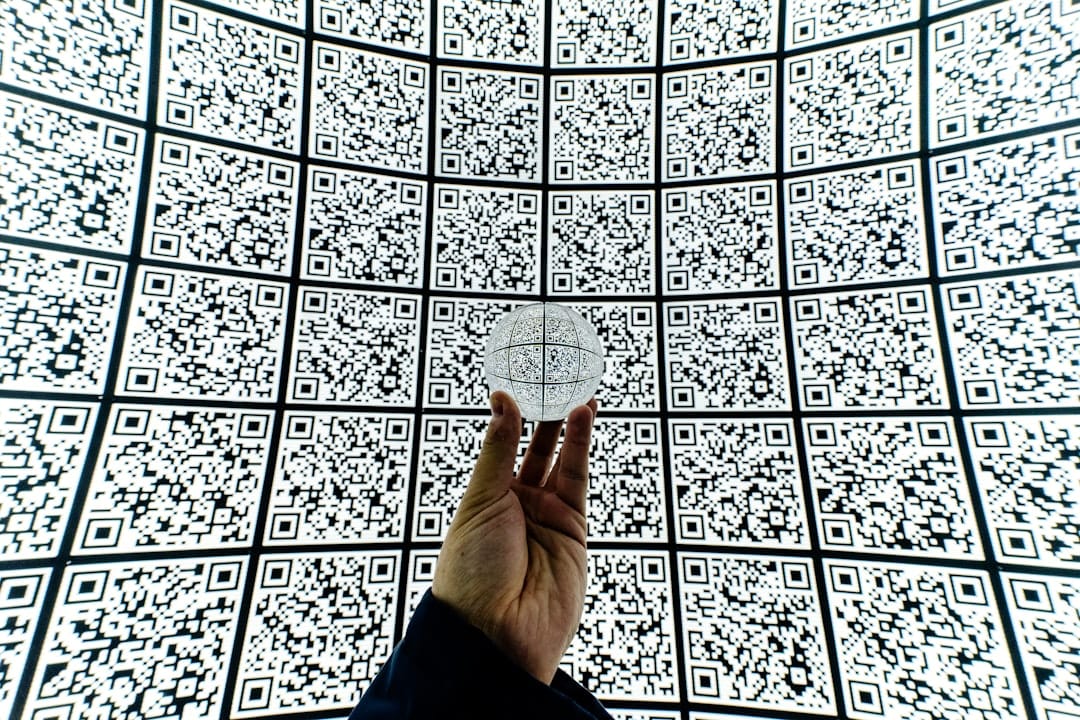
Revolutionizing Immigration: QR Codes at Johor Checkpoints
Beginning September 22, 2025, Singaporeans and other travelers heading to Johor Bahru can look forward to a streamlined immigration process. Malaysia is launching a trial for its National Integrated Immigration System (NIISe), which will enable passport-less entry using QR codes at the bustling Johor land checkpoints.
A New Era of Immigration
The MyNIISe app is at the heart of this initiative. Designed to accommodate not only Malaysians but also travelers from 63 countries, including Singapore, it marks a significant shift in how people will experience border crossings. During the trial period, which extends until February 28, 2026, the app will also be introduced at five major airports across Malaysia, further broadening its impact.
This innovative approach is expected to alleviate congestion at the Johor checkpoints, where over 300,000 individuals cross daily. The system will enable group travelers to clear immigration with a single QR code, simplifying the process considerably compared to the existing MyBorderPass app, where each person needs to scan their code individually.
Expansion and Benefits
In addition to facilitating smoother land checkpoint crossings, this technology will also play a crucial role in the forthcoming Johor Bahru-Singapore Rapid Transit System Link. Here, passengers will need to complete immigration clearance only at their departure point, integrating both Singapore and Malaysian processes into one.
The trial involves 27 specially equipped booths at the Johor Bahru checkpoint and 24 at the Second Link checkpoint. More will be added as the system expands. Meanwhile, the MyBorderPass app remains in use, but the Malaysian government encourages travelers to transition to MyNIISe for a more efficient experience.
Availability and Future Outlook
The MyNIISe app is readily available for download on multiple platforms including the Apple App Store, Google Play Store, and Huawei App Gallery. Since its announcement, over 786,000 Malaysians have already downloaded the app, indicating a significant shift towards digital immigration solutions.
Looking ahead, the NIISe system aims to replace the current immigration processes with advanced security features. By incorporating artificial intelligence and facial recognition technology, the system promises enhanced security and quicker clearance times at borders, all set to commence officially on January 1, 2026.
The Evolution of Malaysia's Immigration Technology
The NIISe project represents a multibillion-ringgit endeavor initiated by the Malaysian government to overhaul its outdated and vulnerable immigration systems. Initially developed by Iris Corporation Berhad, the project faced setbacks, leading to the termination of its original RM1.1 billion contract. Subsequently, HeiTech Padu was awarded an RM892 million contract to bring the system to completion over five years.
The rollout of the NIISe system has been expedited from its planned commencement in March 2026, reflecting its importance to Malaysia's border security strategy. The integration of cutting-edge technology positions Malaysia at the forefront of immigration innovation.
The Road Ahead
This advancement in border management not only highlights Malaysia's commitment to improving its immigration protocol but also sets a precedent for neighboring countries. As the world becomes increasingly interconnected, such systems may pave the way for more seamless and secure international travel.
While travelers are advised to still carry their passports as a precaution, the introduction of the QR code generator technology through the MyNIISe app represents a significant step forward in travel convenience and security.
In conclusion, the MyNIISe app stands as a testament to the evolving landscape of travel and immigration, heralding a new era of efficiency and safety at Malaysia's borders. As this trial unfolds, it will be watched keenly by other nations seeking to enhance their immigration systems with modern technological solutions.