Revolutionizing Cross-Border Travel: The QR Code System in Malaysia and Singapore
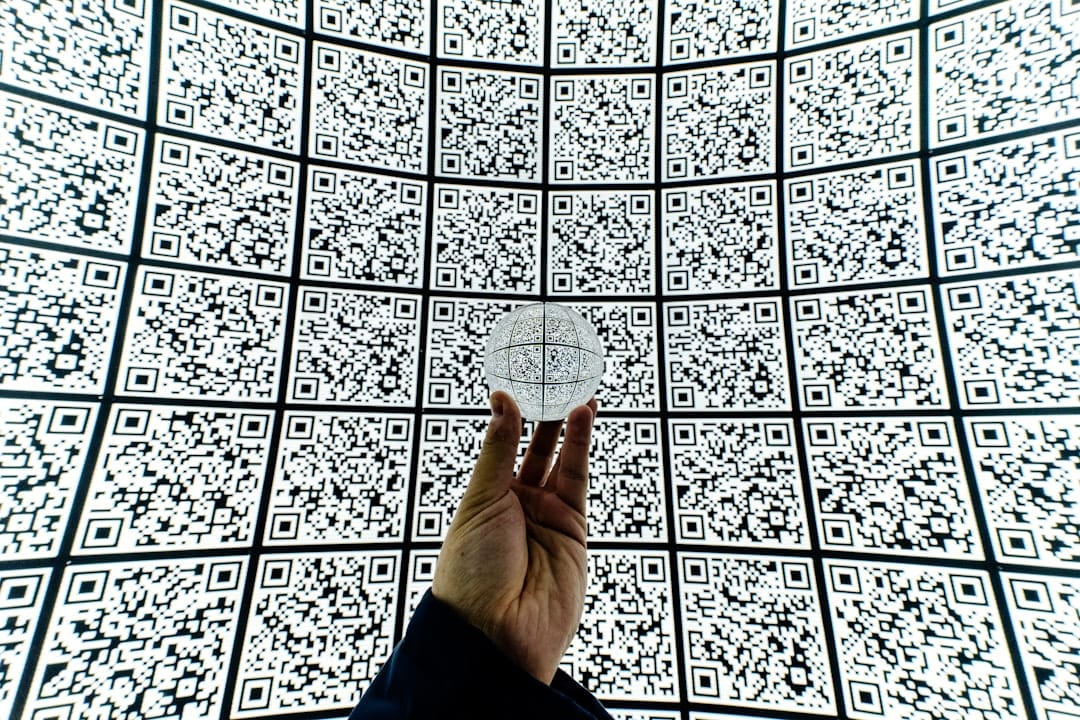
Revolutionizing Cross-Border Travel: The QR Code System in Malaysia and Singapore
Travelers between Malaysia and Singapore are witnessing an exciting transformation in border management with the introduction of a new QR code system. This initiative is aimed at streamlining immigration procedures, promising to make the travel experience more efficient. Since its initial rollout, over 80,000 users have already registered, marking a significant step in digitalizing border crossings.
Introducing the MyNIISe QR Code System
The MyNIISe mobile application is at the core of this innovative system. Initially tested in late September 2025 for car travel, it was quickly expanded by mid-October to include motorcyclists, pedestrians, and bus passengers. The system is currently operational at key land checkpoints in Johor Bahru, including the Bangunan Sultan Iskandar Customs and the Sultan Abu Bakar CIQ Complex at the Second Link. The goal? A smoother, faster clearance process that minimizes wait times and congestion.
How the MyNIISe System Works
The MyNIISe app is a crucial tool for travelers, available on major platforms like the Apple App Store, Google Play Store, and Huawei AppGallery. It supports the use of a QR code system for travelers from 63 countries when entering Malaysia and from 71 countries when leaving. However, during this trial phase, the existing MyBorderPass system will remain operational for some 400,000 Malaysians.
Travelers are advised to use the QR code generator system at activated entry points while continuing to use MyBorderPass where necessary.
Expansion to International Airports
In an effort to further ease travel, the MyNIISe system will soon be tested at five major international airports in Malaysia. These include Kuala Lumpur International Airport, Penang International Airport, Kuching International Airport, and Kota Kinabalu International Airport. This gradual rollout is expected to be completed by February 28, 2026, during an ongoing trial period. Both the new QR code system and traditional immigration systems will operate in parallel during this time.
Travel Tips for Seamless Transit
To ensure a smooth travel experience using the new system, here are some practical tips for travelers:
- Download the MyNIISe App Early: Make sure the app is installed on your smartphone well before your trip. It’s free and easily accessible.
- Verify Activation at Entry Points: Confirm that the entry points you plan to use have the QR code system activated, particularly if traveling through Johor Bahru or entering via major airports.
- Always Have Your Passport: The QR code system enhances convenience but does not replace legal travel documents. Ensure you carry your passport or official identification.
- Stay Informed About the Trial Phase: Keep up-to-date with announcements regarding system availability at various locations, especially if traveling frequently between Malaysia and Singapore.
- Be Prepared to Use Both Systems: During the pilot phase, you might need to switch between MyNIISe and MyBorderPass systems. Be prepared and familiar with both processes.
Implications for Tourism and Travel
This digital leap in border management is timely, as Malaysia and Singapore are experiencing a gradual recovery in tourism. By reducing waiting times and easing cross-border travel, the MyNIISe system could provide a substantial boost to tourism and business travel between the two nations. With thousands already onboard, this system is set to play a pivotal role in further integrating regional travel.
Beyond immediate convenience, the introduction of such a system paves the way for other regions to adopt similar technological advancements in border management. It sets a precedent for the future, where more streamlined, digitalized immigration processes could become the norm globally.