QR Codes Streamline Immigration at Malaysian Checkpoints
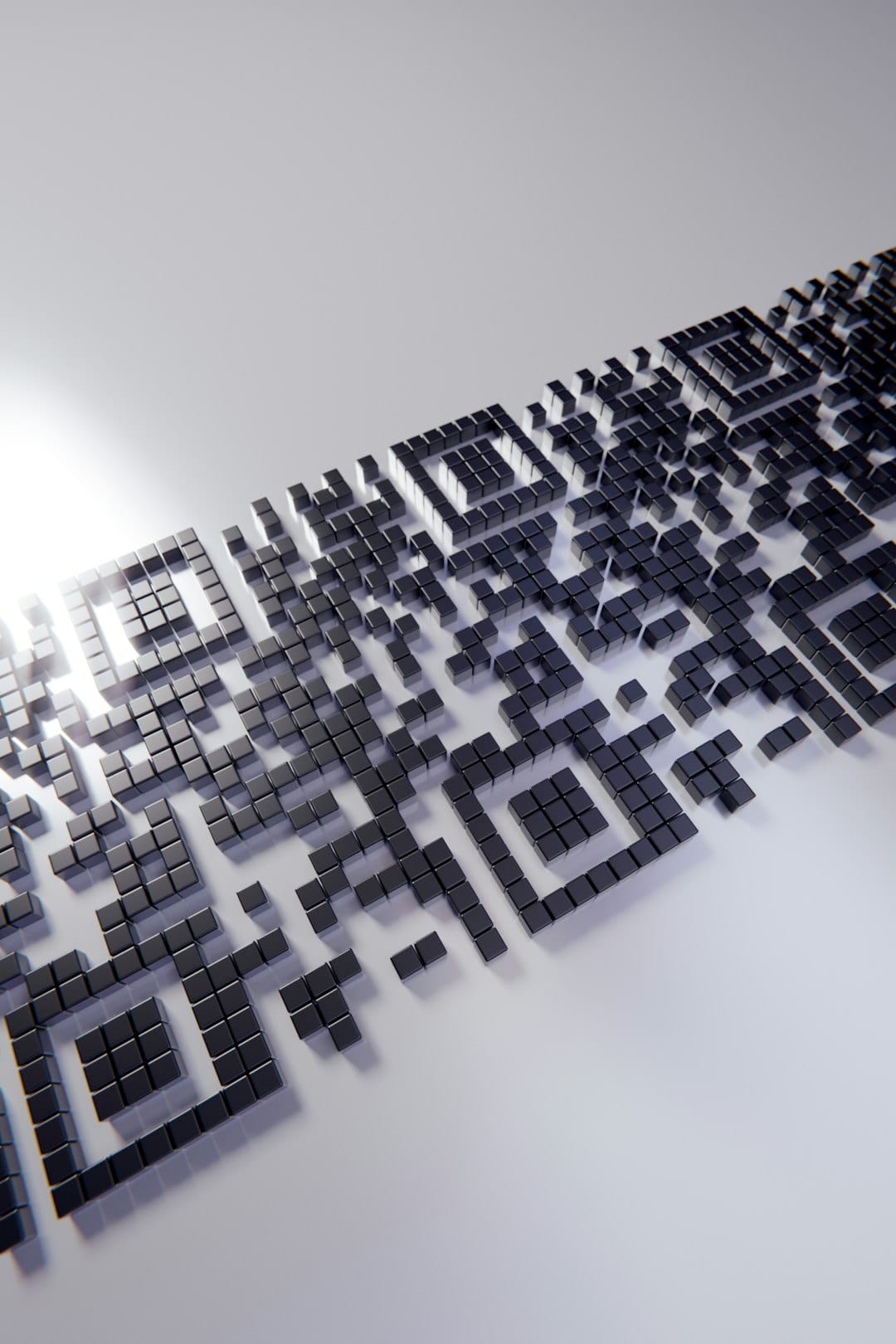
QR Codes Streamline Immigration at Malaysian Checkpoints
Beginning September 22, foreign travelers entering Malaysia through Johor Bahru will experience a more streamlined immigration process thanks to a new system that utilizes QR code generator technology. This initiative is part of a pilot program under the National Integrated Immigration System (NIISe), aimed at simplifying border crossings and is scheduled to run until February 28, 2026.
A New Era of Immigration with MyNIISe
The MyNIISe app is central to this transformation. Designed to facilitate easier entry and exit, it allows multiple travelers in a vehicle to register using a single QR code. This marks a significant upgrade from the current MyBorderPass application, which requires individual QR codes for each traveler. The app is accessible on popular platforms such as the Apple App Store, Google Play Store, and Huawei App Gallery.
Trial Rollout and Implementation
The trial phase will initially be implemented at the Johor land checkpoints, including facilities linked to the Woodlands Causeway and the Tuas Second Link. Simultaneously, major airports across Malaysia, including Kuala Lumpur International Airport Terminals 1 and 2, Penang, Kota Kinabalu, and Kuching, will also see phased rollouts. Despite the use of QR codes, travelers are still required to carry their passports and other necessary travel documents, as per Malaysian law.
Technological Advancements in Immigration
This initiative is not just about convenience but also about enhancing security and efficiency. The NIISe project integrates advanced technologies such as artificial intelligence to improve detection and screening processes at entry points. A key feature is the automated biometric identification system, which combines facial, fingerprint, and iris recognition to streamline and secure the immigration process.
The Future of Immigration Systems
The NIISe project is set to replace the older Malaysian Immigration System, which has been in service for over two decades. This modernization effort is aimed at reducing the reliance on physical immigration officers by nearly 60%, allowing these resources to be redirected to other areas. Two dedicated lanes for MyBorderPass app users at the Bangunan Sultan Iskandar checkpoint will remain in use, accommodating both current and new technologies.
Regional Impact and Future Developments
In July, it was announced that the NIISe system would be gradually rolled out to include foreigners from 63 countries and territories, including travelers from China, the United States, Japan, and Australia. This broad adoption reflects Malaysia's commitment to improving its immigration infrastructure. As the system evolves, the MyNIISe app is expected to eventually replace MyBorderPass, offering a more cohesive and efficient experience for all users.
Neighboring Singapore has already begun implementing similar technology at its land checkpoints, demonstrating the regional shift towards digital solutions in border management. Singapore's system links QR codes to the MyICA app and individuals' passports, optimizing the entry process for Singaporeans and foreign visitors alike.
Conclusion: A Step Towards Efficient Travel
The introduction of QR codes at Malaysian checkpoints signifies a significant step towards modernizing immigration procedures, promising faster and more secure travel experiences. As the trial continues, feedback from travelers and ongoing evaluations will likely shape the future of immigration solutions in the region, paving the way for a more connected and efficient global travel ecosystem.