QR Codes: Essential Tech or Digital Disruption?
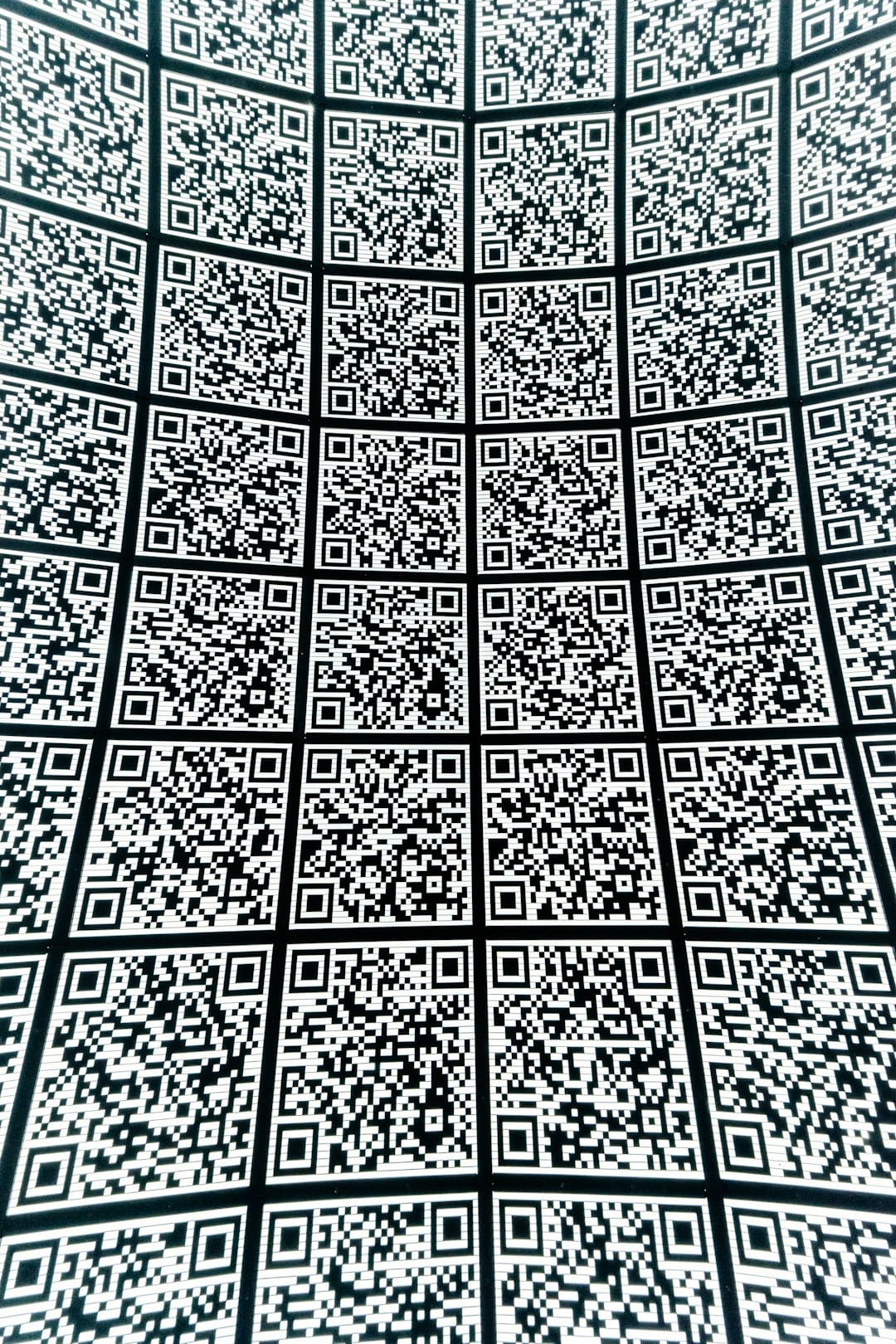
QR Codes: Essential Tech or Digital Disruption?
In an era where technology continually reshapes our daily interactions, QR codes have become a common sight. However, not everyone embraces them. Recently, Elon Musk, CEO of Tesla, took to social media to express his disdain for QR codes, describing them as "eyesores." This sparked a lively debate about their role in modern life, particularly in restaurants.
The Rise of QR Codes
QR codes, or Quick Response codes, gained popularity during the pandemic as a touchless solution for accessing information. Restaurants adapted to health guidelines by replacing physical menus with digital ones accessible via QR codes. For many, this was a convenient evolution, allowing for real-time updates without the need for costly reprints.
The Critique: Aesthetic and Experience
Despite their utility, QR codes have their detractors. Critics argue that these codes detract from the dining experience, making it feel impersonal. Some diners miss the tangible interaction a traditional menu offers, associating it with a more authentic dining ambiance. Elon Musk's criticism echoes this sentiment, highlighting how technology sometimes clashes with personal preference and aesthetics.
Supporters of QR Codes
On the flip side, many appreciate the efficiency QR codes bring. For businesses, they provide a cost-effective way to keep menus current without the hassle of printing. For customers, scanning a code with a smartphone is often quicker and more hygienic than handling a physical menu. The convenience and safety QR codes offer can’t be ignored, especially when considering their role in reducing contact during health crises.
Potential for Enhanced Interactions
Advocates for QR codes suggest that their use could extend beyond simple menu access. They envision a future where scanning a QR code could unlock a world of interactive content, from detailed dish descriptions to customer reviews and even special offers. This potential for customization and enhanced information could transform how consumers engage with brands and services.
The Middle Ground
Finding a balance between technological advancement and maintaining a personal touch is crucial. Restaurants and other service industries might consider offering both digital and physical menus, catering to diverse customer preferences. This dual approach can satisfy tech enthusiasts and traditionalists alike, ensuring no one feels alienated.
Embracing Change with Care
As we continue to integrate technology into everyday life, it's important to consider its impact on user experience. Whether you see it as a useful tool or a disruption, the QR code generator represents a broader trend of digital integration. By being mindful of how we implement these technologies, we can create environments that respect both innovation and tradition.
Ultimately, the discussion around QR codes highlights broader conversations about the role of technology in our lives. As we move forward, it will be essential to balance efficiency with aesthetics and convenience with personal experience.