QR Codes and Digital Wallets: A Perfect Harmony
QR Codes and Digital Wallets: A Perfect Harmony
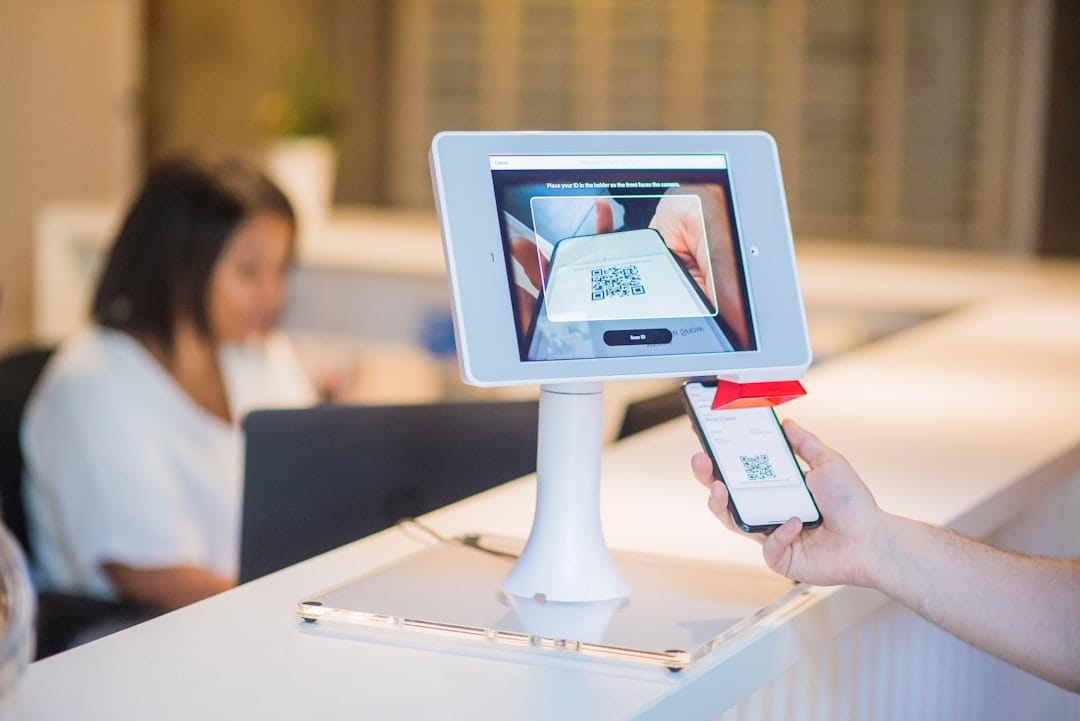
The seamless act of using a smartphone camera to scan a QR code for transactions is gaining traction globally. Particularly in Asia, this method has become a cornerstone of digital payments, fueled by the increasing use of digital wallets that blend physical and digital shopping experiences.
The Rise of QR Code Payments
QR codes, though not a new invention, have evolved significantly since their creation in Japan in 1994. Initially designed to track automotive parts, these codes have transformed into a secure, cost-effective means of transferring information and facilitating payments. Their accessibility, due to the lack of required specialized hardware, allows merchants of all sizes to adopt this technology easily. The result? A camera that traditionally unlocked a smartphone now also serves as a digital payment gateway, making QR code payments a burgeoning trend.
Digital Wallets as a Payment Conduit
Digital wallets are the perfect companions to QR codes, driving the shift from cash and cards to digital payments. Recent studies indicate that more than 30% of shoppers now utilize mobile wallets weekly for in-store transactions. These wallets are becoming the preferred choice, with their usage nearly rivaling cash transactions. This trend highlights the increasing integration of QR code payments within the broader digital wallet ecosystem, enabling consumers to pay effortlessly using credentials they already know.
Asia: The Forefront of QR Code Adoption
Asia is leading the charge in adopting QR code payments, with mobile wallets accounting for a significant share of in-store transactions. In countries like Singapore and Japan, about 35% of transactions now occur through mobile wallets. In Singapore, the high level of digital trust and early adoption of mobile banking have propelled wallet usage. Meanwhile, Japan's integration of super apps, QR codes, and governmental support for cashless transactions illustrates how regional infrastructure and consumer behavior can drive QR-based payments into mainstream usage.
Visa’s Scan to Pay: A Step Toward Universal Payments
Visa has taken significant strides in enhancing the payment landscape by launching its Scan to Pay service across Asia-Pacific markets. This initiative links millions of merchants to its global payment network, allowing users to utilize digital wallets and payment apps they are familiar with. By leveraging existing QR infrastructure, Visa not only reduces processing costs for merchants but also provides a seamless payment experience for consumers who prefer wallet-based transactions.
The Scan to Pay feature signifies a vital alignment of card networks and wallet platforms, making scanning as intuitive as tapping a card or phone. This advancement extends acceptance for merchants without requiring additional hardware, ultimately simplifying the integration process.
QR Code Payments Embedded in the Future
As digital wallets now fund about a third of all global transactions, QR-based payments are becoming an intrinsic component of this growth rather than a separate channel. For businesses and consumers alike, the integration of QR code payments through a QR code generator establishes a foundation for streamlined and interoperable payment solutions across borders.
This evolution in payment technology is not just a shift in method but a transformation in consumer habits. As these trends continue, the convenience and security of QR codes paired with digital wallets are poised to redefine how we think about transactions, making them a staple in everyday commerce.