QR Code Scam Uncovered: Young Scammer Diverts Payments
QR Code Scam Uncovered: Young Scammer Diverts Payments
A recent incident in Delhi has brought to light a sophisticated QR code scam, resulting in the arrest of a 19-year-old accused of redirecting digital payments into his personal bank account. This fraudulent activity has affected customers and shop owners, leading to an ongoing investigation by the police.
Unraveling the Fraud
The scam came to attention on December 13 after a customer reported a failed transaction at a well-known garment store. The customer had purchased a lehenga valued at ₹2.50 lakh and completed two UPI payments of ₹90,000 and ₹50,000 using QR codes displayed at the store. Despite having payment confirmation, the store owner informed the customer that the funds did not reach the official bank account, prompting suspicions of foul play.
Cyber Police Investigation and Arrest
Following the complaint, an electronic First Information Report (e-FIR) was filed at the Cyber Police Station in the North District. Authorities examined the store’s billing systems, transaction logs, and digital payment setups to understand the source of the issue. Through a meticulous investigation, they discovered that the payments were redirected to an unauthorized bank account not associated with the garment store.
The account was traced to Rajasthan, prompting the police to conduct an inter-state operation. They identified the suspect as Manish Verma, residing in Chaksu, Jaipur district. He was subsequently apprehended and brought to Delhi for further questioning.
Understanding the Scam
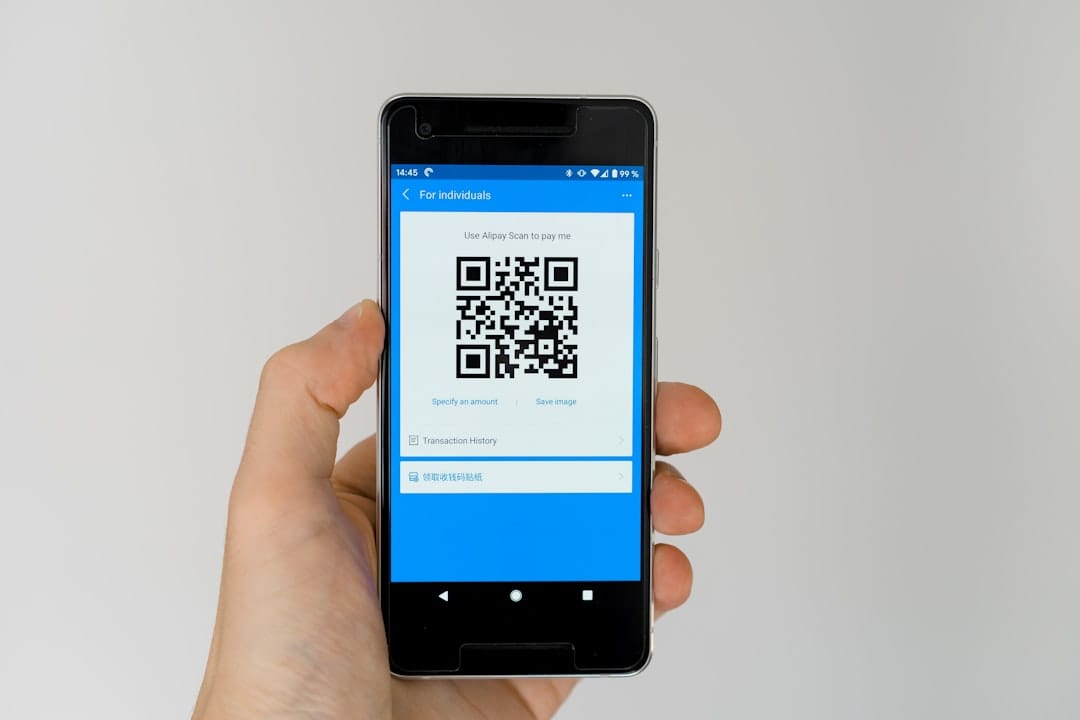
According to the police, the accused confessed to manipulating legitimate merchant QR codes. He replaced the original bank account details with his own, while ensuring the QR code appeared nearly identical to the genuine one. These altered QR codes were then used in shops, resulting in unsuspecting customers transferring funds directly into his account.
During the investigation, authorities seized mobile phones from the accused containing over 100 edited and original QR codes. Additionally, chat messages, screenshots, and financial records were found, indicating a possible wider reach of this scam across multiple locations.
Ongoing Investigation
The findings suggest that this method may have been employed in various other establishments. Police are actively working to identify more victims and track down other fraudulent transactions associated with the accused.
In light of these events, authorities have advised merchants to regularly check their QR codes for any unauthorized alterations. Customers are urged to verify the beneficiary’s name before finalizing high-value UPI transactions.
For those interested in generating secure QR codes, using a reliable QR code generator can help prevent such fraudulent activities.