QR Code Revolution: Streamlining Johor Checkpoint Immigration (Update)
QR Code Revolution: Streamlining Johor Checkpoint Immigration
The Home Ministry of Malaysia is embarking on an innovative journey to modernize the immigration process at two of Johor's busiest checkpoints. With the introduction of the National Integrated Immigration System (NIISe), motorists can now anticipate a more efficient border-crossing experience through the use of QR codes.
What's Happening at the Checkpoints?
The trial for this new system is set to commence on September 21, 2025, and will initially cover Bangunan Sultan Iskandar in Johor Bahru and Kompleks Sultan Abu Bakar at the Second Link. This trial phase will focus on car lanes, involving 16 lanes at BSI and 12 at KSAB. The overarching goal is to streamline the immigration process, reducing waiting times and improving the overall experience for motorists entering or exiting Malaysia via Johor.
How Does the QR Code System Work?
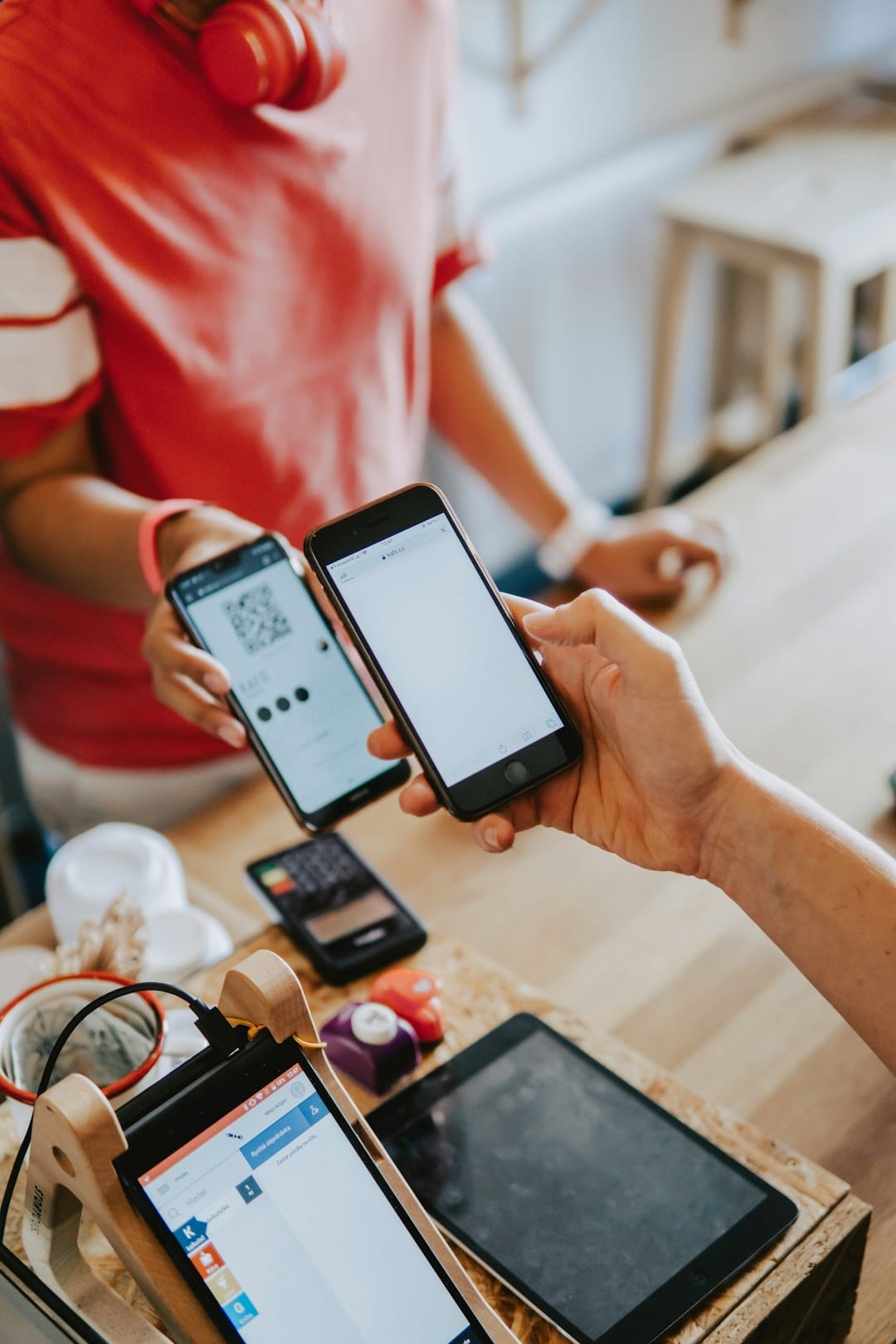
To utilize the QR code clearance, motorists must download the MyNIISe mobile application, readily available on the Apple App Store, Google Play Store, and Huawei App Gallery. Once the app is downloaded, users can easily generate individual or group QR codes. These codes will be scanned at designated lanes during the immigration process, potentially speeding up the procedure significantly.
A Smooth Transition
To ensure a seamless transition, the Home Ministry has prepared various resources, including guides and instructional materials, which will be shared with the public through posters and videos on their social media platforms. This proactive approach is aimed at familiarizing users with the new system.
Encouraging Initial Response
The response to the MyNIISe app has been promising, with over 10,000 downloads registered by September 19. This number reflects a strong interest from the public, suggesting readiness for technological integration in daily travel routines. During the trial, feedback from users will be welcomed and can be submitted via email to support_myniise@imi.gov.my. This feedback will be crucial for refining the system before a wider rollout.
The Future of Border Crossing
This move is part of a broader strategy to modernize and digitize immigration processes in Malaysia. By leveraging technology, the aim is to make border crossing more efficient and secure. As QR codes become a ubiquitous part of our digital lives, their application in easing immigration processes seems like a natural progression.
Benefits of Using the QR Code System
- Efficiency: The QR code system is designed to drastically reduce waiting times at checkpoints, making travel smoother for motorists.
- Convenience: With the ability to generate codes individually or for groups, the system caters to different traveler needs.
- Environmentally Friendly: Reducing paper use in immigration processes aligns with global sustainability goals.
Looking Ahead
As the trial progresses, the QR code system's performance will be closely monitored. The insights gained during this phase will inform future enhancements and potentially guide similar implementations in other regions. This initiative is a stepping stone towards a fully digitalized border control system, which could set a precedent for further technological advancements in the region.
In conclusion, the integration of QR codes in Johor's immigration checkpoints marks a significant step towards modernizing border processes. With its promising start, this system might soon become a standard, not just for Malaysia, but for countries worldwide keen on optimizing border security and efficiency. Want to try creating your own QR codes? Check out the QR code generator for a firsthand experience in digital transformation.